

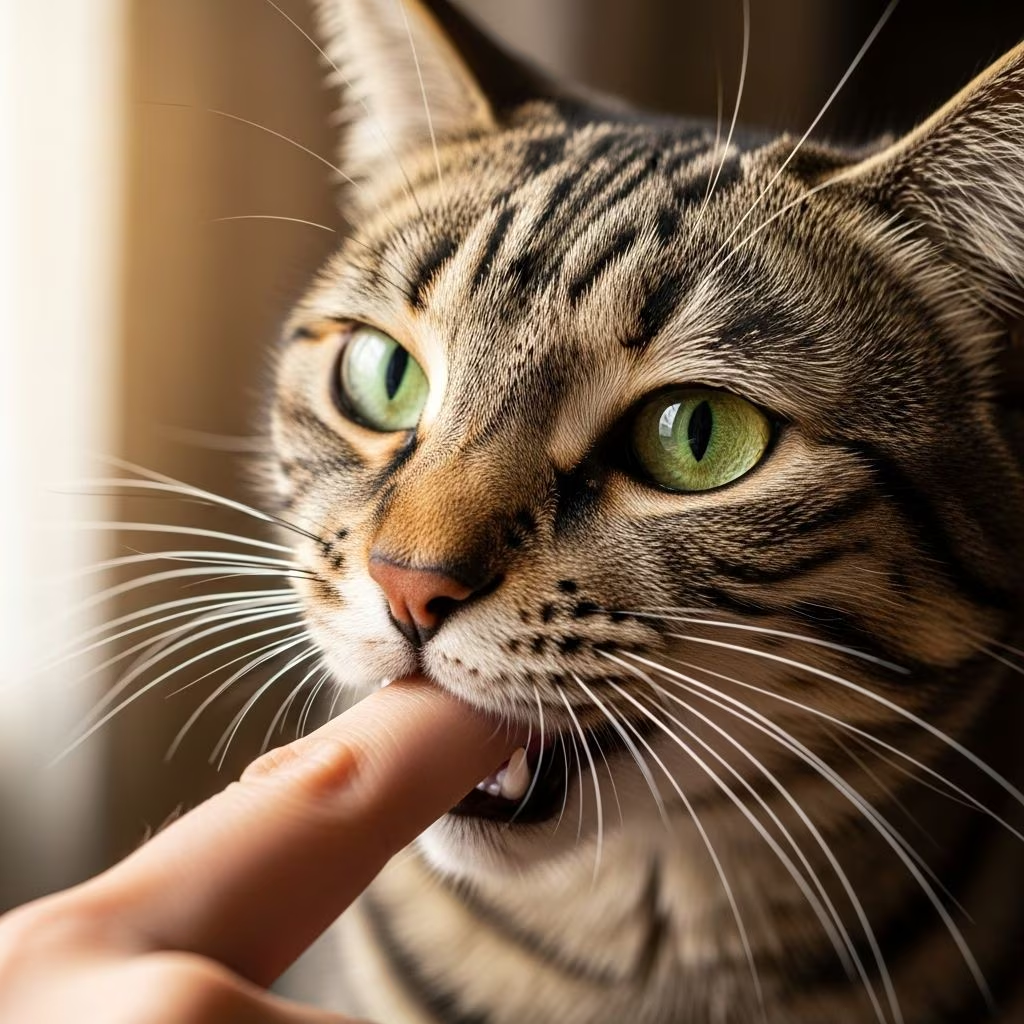
Why Does My Cat Bite Me? A Comprehensive Guide to Feline Biting Behavior
Cat biting is one of the most common behavioral concerns pet owners face. Whether your cat delivers gentle nips during playtime or aggressive bites during handling, understanding the underlying reasons is essential for managing this behavior effectively. Cats bite for various reasons, and the causes can range from playful instincts to serious medical or behavioral issues. By identifying what triggers your cat’s biting behavior, you can implement targeted strategies to reduce incidents and strengthen your relationship with your feline companion.
Common Reasons Why Cats Bite
Cats communicate through their behaviors, and biting is one way they express themselves. Understanding the root causes of biting is the first step toward resolving this issue. The reasons cats bite are diverse and often interconnected, making it important to observe your cat’s behavior patterns carefully.
Overstimulation: The Most Common Culprit
Overstimulation is one of the three most common reasons indoor cats bite their owners. This occurs when a cat has reached their threshold for physical contact and needs the interaction to stop. Many cat owners are surprised when their affectionate pet suddenly turns and bites during a petting session. This type of aggression, known as petting-induced aggression, happens because the cat’s sensitivity threshold has been exceeded. What feels good initially—gentle stroking and petting—becomes irritating after prolonged repetition. Your cat may use biting as their way of communicating \”I’ve had enough.\”
Several factors can increase the likelihood of overstimulation-related biting:
- Prolonged or repetitive petting sessions without breaks
- Petting in sensitive areas such as the tail base, belly, or paws
- Increased interaction frequency with a particular person
- Previous encouragement of play-biting with fingers and toes
- Owner reactions that excite the cat further when biting occurs
- High energy or fidgety behavior from the owner that triggers the cat’s prey drive
Before the bite occurs, your cat will typically display warning signs. Watch for dilated pupils, tail lashing, ears moving backward on the head, and skin rippling along the back. Recognizing these signals allows you to stop the petting session before your cat resorts to biting.
Fear and Anxiety
Fear is another significant reason cats bite. When cats feel threatened, trapped, or unable to escape, they may become aggressive as a last resort. Unlike dogs, cats typically prefer to run away and hide when scared. However, if escape routes are blocked or the cat feels cornered, they will defend themselves through biting. Fear-based biting can occur in several situations:
- Being picked up or restrained unexpectedly
- Waking suddenly from sleep
- Encountering unfamiliar people or animals
- Changes in their environment or routine
- During veterinary examinations or grooming procedures
- Exposure to loud noises or stressful situations
Cats experiencing fear aggression need patience and a non-threatening approach. Creating a safe environment where the cat feels in control can significantly reduce fear-based biting incidents.
Stress and Anger
Stress and anger represent the third most common reason cats bite. These emotional states can arise from various triggers, including territory changes, disruptions to their routine, introduction of new pets or family members, or underlying illness. When cats experience chronic stress, they become irritable and more prone to aggressive responses. Illness, in particular, can make cats irritable and defensive. A cat experiencing pain or discomfort may bite as a protective mechanism to prevent further hurt.
Additional Reasons for Cat Biting Behavior
Beyond the three most common reasons, cats may bite for several other reasons:
Play Biting and Hunting Instincts
Cats are natural predators, and their play is essentially practice for hunting. Biting during play mimics the stalking, pouncing, grabbing, and biting sequences necessary for survival in the wild. Kittens learn bite inhibition through interaction with littermates. When one kitten bites too hard during play, the others squeal and stop playing, teaching the offending kitten to moderate their bite force. Cats raised without littermates or those encouraged to wrestle with human hands often miss this critical lesson, leading to harder biting later in life.
Play biting becomes problematic when:
- The cat was hand-raised and encouraged to play with fingers and toes
- The cat lacks appropriate outlets for hunting instincts
- Moving feet or hands trigger the cat’s prey drive
- The cat is bored or under-stimulated
- Stress and anxiety intensify the cat’s hunting behaviors
Communication and Attention-Seeking
Sometimes cats bite to communicate their needs or to seek attention. Your cat may nip or bite to indicate hunger, the desire to play, the need to use the litter box, or simply to gain your notice. If previous biting has resulted in attention from you—even negative attention like scolding—the cat may continue the behavior as a reliable way to get a response.
Pain-Induced Aggression
Medical issues can trigger aggressive biting. Cats experiencing pain from conditions such as osteoarthritis, dental disease, or other health problems may bite to avoid touch or manipulation of painful areas. Before addressing behavioral solutions, it is critical to consult with a veterinarian to rule out underlying medical causes. Pain-induced aggression requires medical treatment rather than behavioral modification alone.
Lack of Proper Socialization
Insufficient socialization during kittenhood can lead to biting problems later in life. Kittens that did not have adequate exposure to human handling or those lacking a mother cat or littermates to teach them proper interaction boundaries often display handling sensitivities and biting behavior. Poor socialization means the cat never learned appropriate ways to interact with humans or other animals.
Other Causes
Less common reasons for biting include maternal aggression (mother cats protecting kittens), status aggression (establishing dominance), redirected aggression (when a cat cannot reach the source of frustration and bites someone nearby), and hyperthyroidism or other medical conditions that increase irritability.
The Combination Effect
It is important to note that cats may bite for a combination of two or more reasons simultaneously. For example, a cat may be experiencing pain from an undiagnosed medical condition while also being overstimulated during petting. Another cat might bite due to both fear and lack of socialization. Understanding all contributing factors ensures a comprehensive approach to behavior modification.
Managing and Preventing Cat Biting Behavior
Immediate Response to Biting
When your cat bites, the best response is to remain calm and calmly back away from the cat. Sudden movements, loud noises, or aggressive reactions can escalate the situation and reinforce the biting behavior. After safely removing yourself from the situation, clean any wounds thoroughly with soap and water. If the bite is severe or shows signs of infection, seek medical attention.
Recognizing Warning Signs
Learning to identify your cat’s warning signals allows you to prevent bites before they occur. Common pre-bite indicators include:
- Tail twitching or lashing
- Ears flattened against the head
- Dilated pupils
- Skin rippling along the back
- Sudden stillness or intense staring
- Growling or hissing
- Crouching in a pouncing position
When you observe these signs, discontinue the current interaction and give your cat space to calm down.
Redirecting Biting Behavior
The goal is not to stop cats from biting entirely—biting is a natural behavior—but to redirect this energy toward appropriate outlets. Provide engaging toys that satisfy biting instincts without involving your skin:
- Wand toys and feather teasers: Mimic prey behavior and engage the cat’s hunting instincts
- Stuffed toys: Serve as “wrestling buddies” for cats that like to grab and kick
- Interactive toys: Encourage pouncing and biting on objects rather than hands or feet
- Rotation: Change toys regularly to prevent boredom and maintain engagement
During interactive play sessions, encourage the full hunting sequence: stalk, chase, pounce, catch, and “eat” (with a treat reward). This routine reduces biting while also helping regulate your cat’s energy and stress levels.
Managing Overstimulation
To prevent petting-induced biting, limit petting sessions and watch for warning signs. Pet your cat in short, pleasant sessions and stop before they show irritation. Focus on areas most cats enjoy, such as the head, chin, and cheeks, and avoid sensitive zones like the belly and tail. If your cat bites or licks you then bites, this indicates overstimulation. Immediately stop petting and direct their excitement onto appropriate toys, or leave them alone to calm down.
Reducing Fear and Stress
For cats that bite due to fear or stress, create a safe environment with hiding spaces, vertical territory, and predictable routines. Introduce changes gradually rather than abruptly. Use calming products such as Feliway Classic spray before stressful situations like veterinary visits or grooming. In some cases, calming supplements designed for daily use may help regulate your cat’s reactions.
Veterinary Consultation
The first step in managing aggressive behavior is to ensure no medical reason is causing it. Diseases such as hyperthyroidism, osteoarthritis, dental disease, and central nervous system problems can trigger aggression. Consult a veterinarian to rule out these conditions before implementing behavioral modifications. If medical issues are identified, treating them often resolves the behavior.
Professional Behavioral Support
For moderate to severe biting issues, work with a veterinary behaviorist or certified animal behavior consultant. They can develop a customized behavior modification plan tailored to your cat’s specific situation. In some cases, prescription medications such as fluoxetine or gabapentin combined with behavioral therapy may be necessary to help your cat manage aggressive impulses.
Special Considerations: Lick and Bite Behavior
When your cat licks you and then bites, or alternates between licking and biting, this typically indicates overstimulation mixed with affection. Licking is normally a bonding exercise for cats, but when accompanied by biting, it signals the cat is becoming overexcited or overstimulated. The solution is the same as for standard overstimulation: redirect their excitement to toys or give them time alone to calm down.
Frequently Asked Questions
Q: Is my cat biting because they’re angry with me?
A: Aggressive behaviors in cats stem from fear, stress, and anxiety rather than anger or spite. Understanding the underlying cause—whether overstimulation, fear, pain, or play instinct—helps you address the root issue effectively.
Q: Should I punish my cat for biting?
A: No. Punishment can increase fear and stress, potentially making biting worse. Instead, calmly remove yourself from the situation, avoid rewarding the behavior with attention, and redirect biting toward appropriate toys.
Q: Can adult cats learn bite inhibition?
A: Yes. While it’s easier to teach kittens, adult cats can learn through consistent redirection, appropriate play sessions, and positive reinforcement of calm interactions. This process takes patience and time.
Q: When should I contact a veterinarian about cat biting?
A: Contact your veterinarian if biting is sudden, frequent, severe, or accompanied by other behavioral changes. A veterinary exam can rule out pain or medical conditions causing the behavior.
Q: Can I use hand sanitizer or other products to deter biting?
A: Bitter-tasting sprays designed for cats can deter biting on objects, but they are less effective for preventing bites during interaction. Focus instead on redirection, appropriate play, and environmental management.
Q: Is it normal for kittens to bite during play?
A: Yes, play biting is normal for kittens. However, teaching bite inhibition early prevents hard biting in adulthood. Teach a “gentle” cue by rewarding calm play with treats and petting, and withdraw attention immediately if the kitten bites too hard.
References
- Feline Behavior Problems: Aggression — Cornell University College of Veterinary Medicine. 2024. https://www.vet.cornell.edu/departments-centers-and-institutes/cornell-feline-health-center/health-information/feline-health-topics/feline-behavior-problems-aggression
- Petting-Induced or Overstimulation Aggression in Cats — Humane Society of the United States. 2024. https://www.hshv.org/petting-induced-or-overstimulation-aggression-in-cats/
- Cat Aggression: Fighting, Biting, and Attacking — PetMD. 2024. https://www.petmd.com/cat/behavior/cat-aggression-fighting-biting-and-attacking
- Cat Aggression Toward People: Causes and Prevention — Best Friends Animal Society. 2024. https://bestfriends.org/pet-care-resources/cat-aggression-toward-people-causes-and-prevention
- Cat Play Biting Tips — Mountain Aire Veterinary Hospital. 2025. https://mountainairevet.com/2025/09/18/cat-play-biting/
- Why Does My Cat Bite Me? — Cats Protection. 2024. https://www.cats.org.uk/cats-blog/why-does-my-cat-bite-me



