

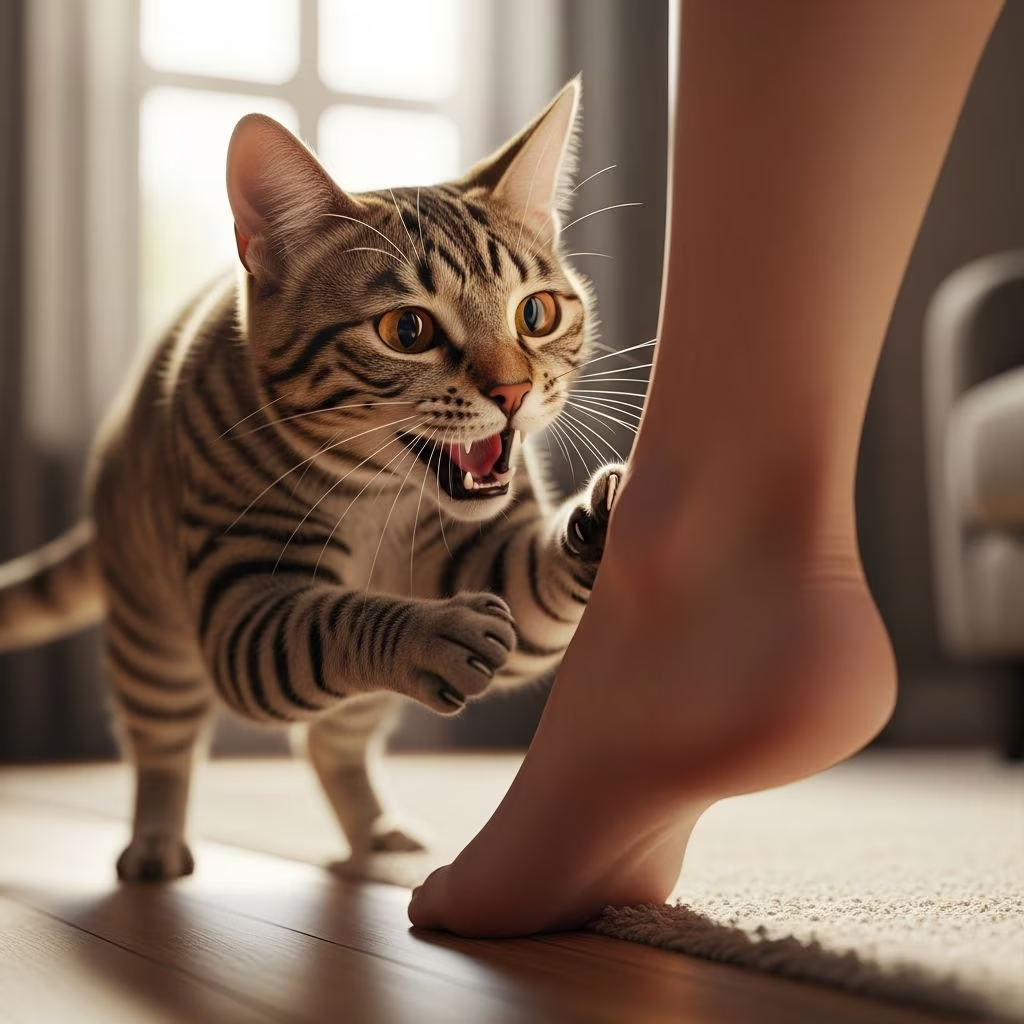
Cats randomly attack ankles because they are probably in a hunting mood, feeling bored, or being playful. This surprising behavior can catch owners off guard, but understanding the root causes helps address it effectively. Ankle biting stems from a cat’s natural instincts, environmental factors, or health issues. By recognizing triggers like movement mimicking prey or unmet needs, you can redirect this energy positively.
Hunting Instincts
Cats are obligate predators by nature, with instincts honed over thousands of years for survival. Domestic cats retain these traits despite living indoors. When you walk by, your moving ankles resemble small fleeing prey like rodents or birds, triggering an automatic pounce-and-bite response. “Cats are a predatory species,” explains Dr. Marci Koski, certified feline behavior consultant. “They are barely domesticated and programmed to hunt, so if we don’t give them those opportunities through play, they can get bored, which can lead to depression, destructive behaviors, stress, house soiling, aggression, and more.”
This prey drive is especially strong in young cats or those with high energy levels. Fast-moving feet activate their hunting mode, where ankles become the perfect low-level target. Owners often report kittens or energetic adults ambushing feet during walks across the room. Without adequate outlets, this escalates into habitual biting.
- Key signs of hunting-driven bites: Sudden pounces, dilated pupils, crouched stalking posture, and playful batting before biting.
- These attacks are rarely malicious; they’re instinctual play-hunting simulations.
To satisfy this drive, introduce interactive toys like feather wands or laser pointers that mimic prey movement. Schedule 15-20 minute play sessions twice daily, ending with a meal to reinforce the ‘hunt-eat’ cycle.
Playfulness and Boredom
Boredom amplifies hunting instincts, turning idle cats into ankle ambushers. Indoor cats, lacking outdoor stimulation, seek entertainment from household movement. Your feet provide convenient, unpredictable motion. Kittens learn bite inhibition from littermates, but early weaning disrupts this, leading to rough play on humans.
Signs include escalating from gentle nips to harder bites during interaction. Bored cats may also chew fabrics or vocalize excessively. Enrich their environment with scratching posts, puzzle feeders, and window perches to combat under-stimulation.
| Enrichment Idea | Benefits | How to Implement |
|---|---|---|
| Interactive Toys | Satisfies prey drive | Daily 10-15 min sessions with wand toys |
| Puzzle Feeders | Mental stimulation | Hide kibble in balls or boxes |
| Cat Trees | Climbing outlets | Place near windows for bird-watching |
| Rotation Schedule | Prevents habituation | Swap toys weekly |
Stress or Anxiety
Environmental changes trigger stress responses in sensitive cats, manifesting as redirected aggression toward ankles. New pets, moves, loud noises, rearranged furniture, or visitors disrupt routines, causing anxiety. Cats release tension by biting safe targets like owners’ legs.
Separation anxiety affects clingy cats who follow owners room-to-room. Walking away prompts a bite to ‘keep you near.’ Watch for companion signs: hiding, over-grooming, appetite loss, litter avoidance, or excessive meowing. During high-stress events like parties, provide a quiet retreat space.
- Recent changes: New household members, construction noise, or schedule shifts.
- Empathy factor: Cats mirror human stress; tense owners may provoke reactive bites.
Mitigate with pheromone diffusers (Feliway), consistent routines, and gradual desensitization to triggers. Consult a vet for persistent cases.
Affection or Attention-Seeking
Some bites signal ‘pet me now’ rather than aggression. Cats use nips to solicit interaction, especially if ignored. This love bite differs from hard attacks—gentler, often with purring or rubbing. Post-shower bites may reclaim scent or explore water droplets.
Respond by initiating play or cuddles before bites occur. Ignore unwanted nips (freeze movement) and reward calm behavior with treats.
Medical Conditions
Rarely, sudden or intensified biting indicates pain. Arthritis, dental issues, hyperthyroidism, or injuries make cats irritable, lashing out when touched or approached. Behaviorist Karen London notes: “If a cat suddenly exhibits behavior that has never been seen before, the reason for the new behavior could be pain.” A vet exam rules out health problems, especially in seniors.
How to Stop Ankle Biting
Redirect, don’t punish—yelling reinforces play. Strategies include:
- Freeze and redirect: Stop moving, wait 10-20 seconds, then offer a toy.
- Play proactively: Tire them out morning/evening.
- Positive reinforcement: Treat calm sitting; ignore bites.
- Environmental tweaks: Vertical space, foraging toys.
- Professional help: Vet or behaviorist for chronic issues.
Consistency yields results in 1-4 weeks. Track patterns in a journal to identify triggers.
Frequently Asked Questions (FAQs)
Why does my cat like my ankles?
Your cat likes your ankles because they are the right height to bite. Ankle-biting happens for reasons like playfulness or boredom. If persistent, consult a vet.
Why does my cat randomly attack my ankles?
Cats randomly attack ankles because they are in a hunting mood, bored, or playful. Ankles serve as irresistible moving targets. Stay calm and redirect.
Is ankle biting a sign of aggression?
Usually not—it’s play or instinct. True aggression involves hissing, flattened ears, or swatting. Rule out pain or stress first.
How do I train my cat to stop?
Use redirection, enrichment, and ignore unwanted behavior. Daily play prevents boredom-driven bites.
When should I see a vet?
If biting is new, intense, or with symptoms like lethargy, weight loss, or litter issues.
References
- Why Does My Cat Bite My Ankles? [How to Stop Them] — Holistapet. 2023-05-15. https://www.holistapet.com/blogs/cat-care/why-does-my-cat-bite-my-ankles
- Why Does Your Cat Bite Your Ankles—and What to Do About It — Kinship. 2024-02-10. https://www.kinship.com/cat-behavior/why-does-my-cat-bite-ankles
- Why Does My Cat Bite My Ankles: Understanding Feline Behavior — UAH Pet. 2023-11-20. https://www.uahpet.com/blogs/hydration-health/why-does-my-cat-bite-my-ankles-understanding-feline-behavior
- How To Stop Your Cat Attacking Your Ankles — Cats.com. 2024-01-05. https://cats.com/how-to-stop-your-cat-attacking-your-ankles
- Why Does My Cat Bite My Feet, Toes, and Ankles? — Lady N Pet. 2023-08-12. https://ladynpet.com/us/blog/why-does-my-cat-bite-my-feet/



