

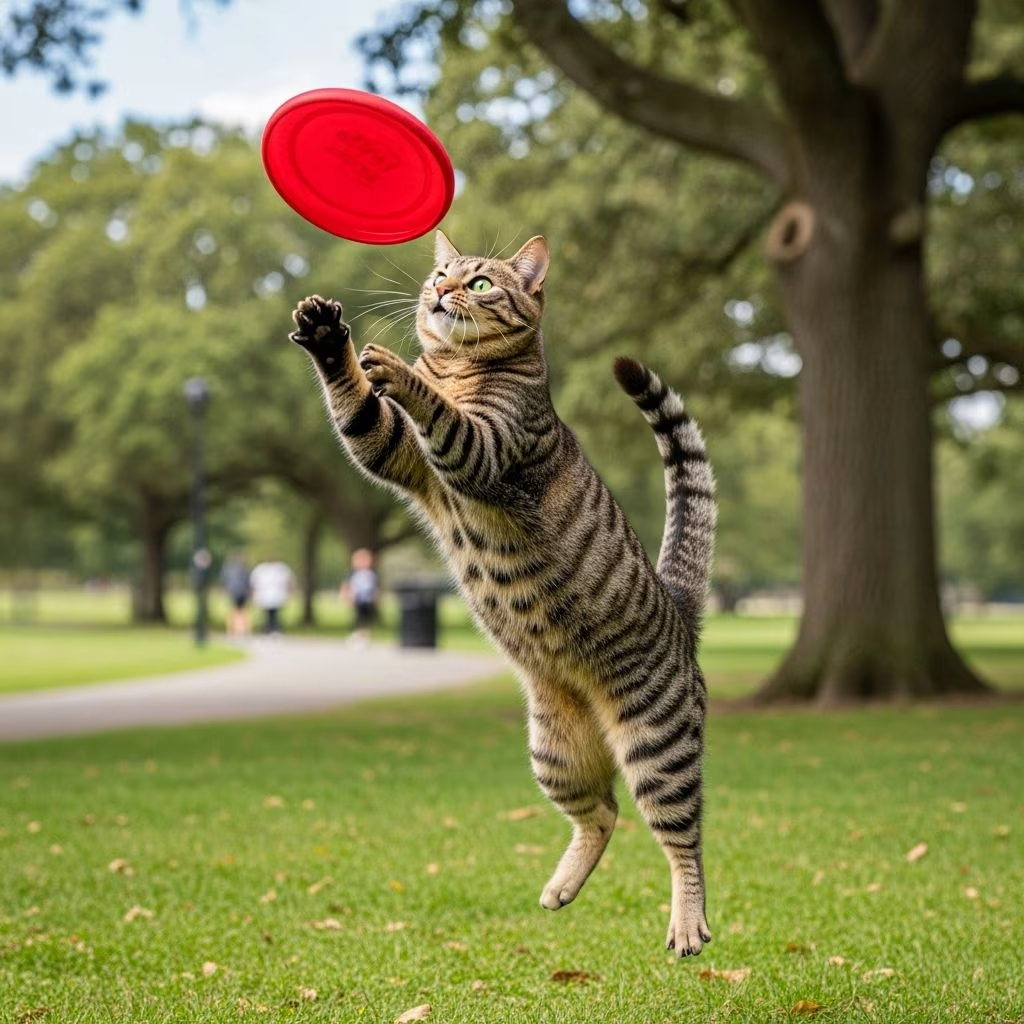
Many cat owners notice their felines displaying behaviors typically associated with dogs, such as following them around, playing fetch, or greeting them at the door. This “dog-like” conduct is not uncommon and stems from breed characteristics, environmental influences, personality traits, and trainability.
The 10 Ways Cats Act Like Dogs
Cats can mimic dogs in remarkably specific ways. Here are the **10 primary behaviors** observed in dog-like cats, often blending feline independence with canine sociability.
- Participating in Conversations: These cats meow back during interactions, engaging as if holding a dialogue, much like a dog’s bark responses.
- Behaving like Watchcats: They patrol the home, alerting owners to unusual sounds or visitors, acting as vigilant guardians.
- Coming to the Defense of Loved Ones: Dog-like cats may hiss or position themselves protectively when family members face perceived threats.
- Following Owners from Room to Room: Shadowing humans mirrors a dog’s loyalty, signaling strong attachment and social needs.
- Playing Fetch: Cats retrieve thrown toys repeatedly, a classic canine game popularized by breeds like the Maine Coon.
- Greeting at the Door: Excited welcomes upon arrival show emotional recognition and anticipation of interaction.
- Responding to Their Name: Coming when called demonstrates trainability and eagerness to please.
- Enjoying Belly Rubs: Unlike most cats, they roll over for tummy pets, tolerating exposure vulnerably.
- Seeking Physical Affection: Frequent cuddles, head bumps, and lap-sitting seek constant contact.
- High Energy Play: Roughhousing, tag, or toy retrieval matches dog play styles, driven by high energy levels.
These traits highlight how cats can bridge species behaviors, often delighting owners while requiring tailored care.
Cat Breeds That Act Like Dogs
Certain breeds are predisposed to dog-like tendencies due to genetics emphasizing sociability, intelligence, and playfulness. Here are **seven standout breeds**.
| Breed | Dog-Like Traits | Key Characteristics |
|---|---|---|
| Maine Coon | Fetch, following owners, affectionate | Largest domestic breed; gentle giants loving games and loyalty. |
| Abyssinian | High energy, attention-seeking, tricks | Athletic and vocal; performs for treats and interaction. |
| Siamese | Conversational, trainable, protective | Vocal and smart; bonds deeply, responds to commands. |
| Oriental Shorthair | Playful, social, fetch enthusiast | Expressive and people-oriented; mimics dog antics for attention. |
| Russian Blue | Trainable, loyal, gentle play | Intelligent and reserved yet devoted; learns tricks easily. |
| Burmese | Social, greeting habits, cuddly | Outgoing and dog-friendly; thrives on family involvement. |
| Manx | Protective, watchful, tailless guardians | Overprotective of home; barks-like meows at intruders. |
These breeds often exhibit stronger canine parallels, but mixed-breed cats can show similar traits through upbringing.
Reasons Why Your Cat Acts Like a Dog
Beyond breed, several factors explain this behavior, blending nature and nurture.
Your Cat Lives or Lived with a Dog
Cats raised alongside dogs often imitate canine habits like rough play, group hanging, or following routines. They may view dogs as role models, adopting social cues despite species differences. This socialization leads to lifelong mimicry, especially in multi-pet homes.
Attention-Seeking for Treats or Interaction
Some cats perform dog tricks—fetching or greeting—to earn rewards. Inquisitive breeds like Abyssinians act out for spotlight time, staying engaged with guests or owners. This reinforces the cycle: behavior yields attention or treats.
Susceptibility to Training
Intelligent breeds like Siamese and Maine Coons learn commands quickly via positive reinforcement. They associate actions (e.g., “sit” or “come”) with praise or food, eagerly pleasing humans much like dogs. Consistent routines amplify this.
Personality and Environmental Factors
Inherent personality plays a role; energetic, extroverted cats crave stimulation. Environments rich in play, routine, and bonding foster these traits. Even rescues adapt, showing dog-like bonding when needs are met.
Is It Normal for Cats to Act Like Dogs?
Yes, this is normal and often beneficial. It indicates strong bonding, intelligence, and adaptability. Unlike aloof stereotypes, these cats thrive on interaction without health risks. However, distinguish from issues like Feline Hyperesthesia Syndrome (FHS), where twitching or aggression signals stress—not mimicry. Monitor for anxiety-driven changes.
How to Encourage and Train Dog-Like Behaviors
Harness these traits safely with these steps.
- Use positive reinforcement: Treats for fetch, name response, or greetings.
- Establish routines: Scheduled play mimics pack structure.
- Interactive toys: Balls or lasers for fetch games.
- Socialize early: Expose to dogs/humans for balanced mimicry.
- Provide mental stimulation: Puzzles prevent boredom-induced excess.
Training builds confidence; start young for best results.
When Dog-Like Behavior Becomes a Problem
While endearing, extremes signal issues. Watch for:
- Separation Anxiety: Excessive meowing or destruction when alone.
- Overstimulation Aggression: Biting after play; set boundaries.
- Destructive Habits: Chewing or scratching from unmet energy needs.
- Clinginess: Disrupting routines; balance with independence time.
Consult vets for underlying pain, stress, or FHS. Enrichment toys and routines restore equilibrium.
Frequently Asked Questions (FAQs)
Is it bad if my cat acts like a dog?
No, it’s typically a sign of happiness and bonding. Only worry if paired with aggression or distress.
Can any cat be trained like a dog?
Yes, with patience; intelligent breeds excel, but all respond to consistency.
Why does my cat follow me everywhere?
It’s affection and social bonding, akin to dog loyalty.
Do dog-like cats get along with real dogs?
Often yes, due to shared play styles; proper intros ensure harmony.
How do I stop excessive clinginess?
Increase play, use feeders for independence, and ignore demands gradually.
Embracing a dog-like cat enriches pet ownership. These felines offer companionship blending cat grace with dog devotion, fostering deeper human-animal bonds through understanding and engagement.
References
- My Cat Acts Like a Dog – Is This Normal? — Auburndale Veterinary Clinic. 2023. https://auburndalevets.com/blog/my-cat-acts-like-a-dog/
- Cats That Act Like Dogs: The Feline Breeds That Break the Rules — WOpet. 2024. https://wopet.com/cats/cats-that-act-like-dogs/
- Feline Hyperesthesia Syndrome (Twitchy Cat Syndrome) — PetMD (Veterinarian-reviewed). 2025-01-10. https://www.petmd.com/cat/conditions/skin/feline-hyperesthesia-syndrome
- Why Does My Cat Act Like a Dog? Vet-Verified Behavior Explained — Catster (Vet-verified). 2024. https://www.catster.com/cat-behavior/why-does-my-cat-act-like-a-dog/
- Dog-like cat — Wikipedia. 2025. https://en.wikipedia.org/wiki/Dog-like_cat
- Is Your Cat Acting Strange? Behavior Changes That are a Red Flag — Solano Pet Emergency Clinic. 2024. https://solanopetemergency.com/services/cats/blog/your-cat-acting-strange-behavior-changes-are-red-flag



