

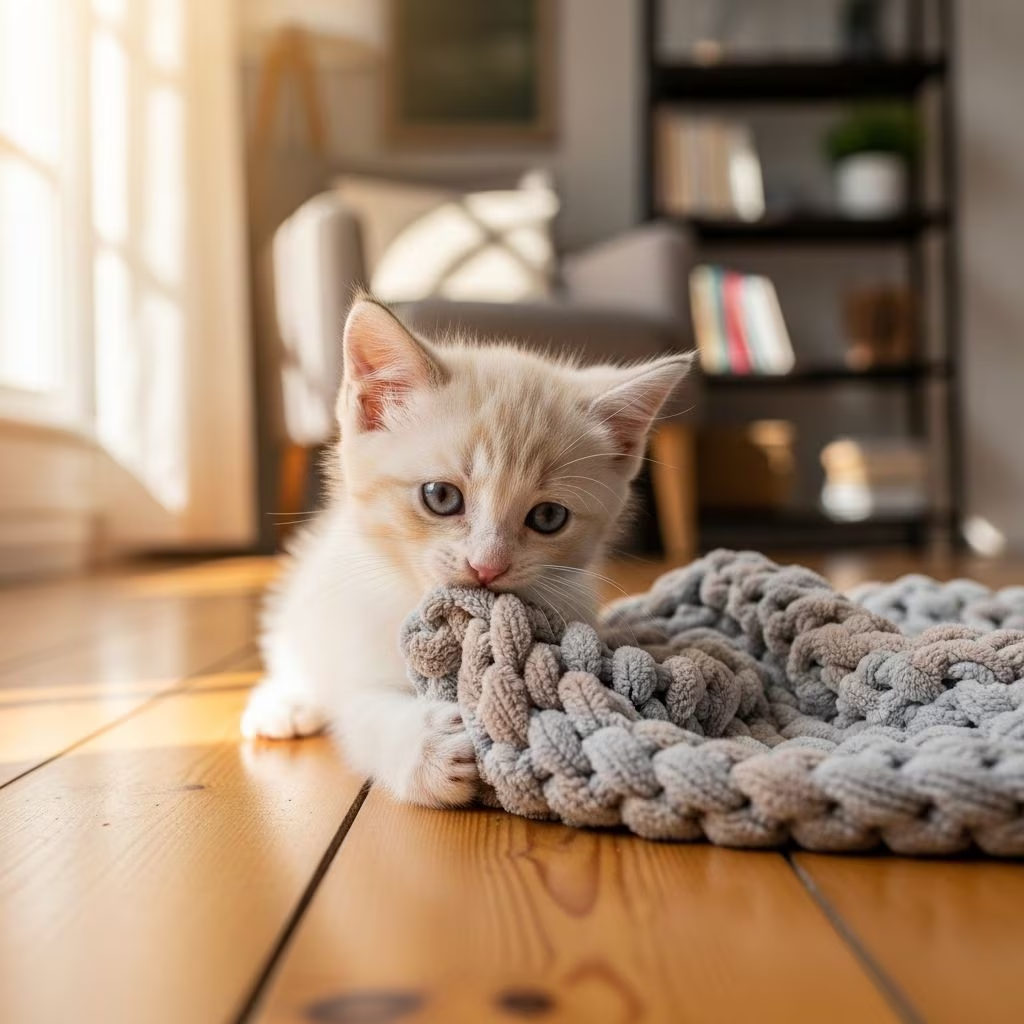
Kittens sucking on blankets is a common and often endearing behavior observed in many young cats. This action, frequently accompanied by kneading or “making biscuits,” stems primarily from natural instincts triggered by early separation from their mother. While typically harmless, understanding the reasons behind it helps cat owners distinguish between normal development and potential health or stress indicators.
Why Do Kittens Suck on Blankets?
The primary reason kittens suck on blankets is rooted in their innate nursing instinct. Kittens separated from their mothers before the ideal weaning age—around 8-12 weeks—retain a strong drive to suckle for comfort and security. Soft fabrics like blankets mimic the texture and warmth of their mother’s fur and siblings, providing a soothing substitute.
This behavior often occurs alongside purring and rhythmic paw kneading, behaviors that release endorphins and promote relaxation, similar to a human baby sucking a thumb. Early weaning disrupts the natural transition from milk to solid food, leading kittens to seek out fuzzy items such as blankets, clothing, or even fingers to fulfill this unmet need.
- Natural Instinct: Innate survival mechanism from nursing days, persisting if weaning is premature.
- Comfort Seeking: Blankets offer a soft, warm surface reminiscent of littermates.
- Self-Soothing: Helps calm anxiety, especially in new environments.
Is It Breed-Specific or Genetic?
While common across breeds, certain genetics predispose cats to prolonged suckling. Breeds like Siamese, Burmese, and Oriental shorthairs show higher tendencies due to heritable behavioral traits. A study on feline breed differences confirmed these breeds are more likely to exhibit wool-sucking or fabric suckling into adulthood.
Genetics influence not just the behavior’s persistence but also its intensity. Oriental breeds, for instance, may suckle compulsively on woolen items, sometimes progressing to pica (eating non-food items). However, early-weaned kittens of any breed can develop the habit, making environment a key factor.
Stress, Anxiety, and Emotional Factors
Beyond instincts, suckling serves as a stress-relief mechanism. Kittens in anxious states—due to environmental changes, loud noises, new pets, or household disruptions—turn to blankets for comfort. This repetitive action mimics nursing’s calming effect, reducing cortisol levels.
Adult cats suddenly increasing suckling may signal underlying stress or obsessive-compulsive disorder (OCD). According to veterinary sources, such behaviors arise from perceived threats like territory invasion or routine alterations. Identifying triggers, such as a dirty litter box or external stimuli, is crucial for intervention.
Health-Related Causes: When to Worry
Most suckling is benign, but monitor for red flags. If the kitten ingests fabric, it risks gastrointestinal blockages, vomiting, or intestinal issues. Sudden onset or escalation in adults could indicate pain from chronic conditions, food allergies, or inflammatory bowel disease.
| Normal Suckling Signs | Concerning Signs |
|---|---|
| Purring, kneading, no ingestion | Swallowing fabric, weight loss |
| Consistent since kittenhood | Sudden increase in frequency |
| Relaxed body language | Accompanied by lethargy or aggression |
Changes in behavior act as a “health barometer,” signaling distress from new pains, unwanted interactions, or loss of safe spaces.
Will Kittens Grow Out of Suckling Blankets?
Many kittens outgrow suckling by 6-12 months as they adapt to solid foods and gain environmental confidence. However, some retain it lifelong, especially genetically predisposed breeds or those weaned prematurely. Stressful events can reignite the habit in adults.
Gradual weaning and enriched environments accelerate outgrowing. Persistence isn’t inherently problematic unless destructive or health-compromising.
How to Manage or Discourage the Behavior
Don’t punish suckling outright—it’s self-soothing. Instead, redirect positively:
- Provide Alternatives: Offer kitten-safe blankets with anti-fray edges or plush toys mimicking fur texture.
- Environmental Enrichment: Add scratching posts, puzzle feeders, and vertical spaces to reduce boredom-induced suckling.
- Stress Reduction: Maintain clean litter boxes, consistent routines, and pheromone diffusers like Feliway.
- Veterinary Check: Rule out medical issues if ingestion occurs or behavior escalates.
For destructive cases, gradual deterrence works: Gently remove the item during suckling and replace with a toy. Consistency prevents frustration.
Frequently Asked Questions (FAQs)
Is kitten blanket suckling harmful?
Generally no, unless fabric is ingested, leading to blockages. Monitor and provide safe options.
Why do some adult cats still suck on blankets?
Genetics, early weaning, or stress. Breeds like Siamese are prone; sudden increases warrant vet visits.
How can I stop my kitten from sucking blankets?
Redirect to toys, enrich environment, and address stressors. Punishment is ineffective and stressful.
Does suckling indicate weaning problems?
Often yes, especially if separated before 8 weeks. Ideal weaning supports natural behavioral transition.
Can diet affect blanket suckling?
Possibly; nutritional deficiencies or allergies may contribute. Consult a vet for balanced kitten food.
Conclusion: Embrace with Caution
Kitten blanket suckling is mostly a harmless echo of nursing instincts, offering comfort amid growth. By understanding triggers—from genetics to stress—owners foster healthier, happier cats. Vigilance ensures this quirky trait remains endearing, not problematic. Always prioritize safe fabrics and professional advice for peace of mind.
References
- Why do kittens suck on blankets? — Vet Help Direct. 2021-09-05. https://vethelpdirect.com/vetblog/2021/09/05/why-do-kittens-suck-on-blankets/
- Why Do Cats Suck on Blankets? — Pet Parents. N/A. https://petparentsbrand.com/blogs/pet-parenting/why-do-cats-suck-on-blankets
- Cat Suckling: Why Cats Suckle, and How To Stop It — Chewy. N/A. https://www.chewy.com/education/cat/training-and-behavior/how-can-i-stop-cats-suckling-behavior
- Why Does My Kitten Suck or Nurse on My Blankets? — Canna-Pet. N/A. https://canna-pet.com/articles/why-does-my-kitten-suck-or-nurse-on-my-blankets/



