

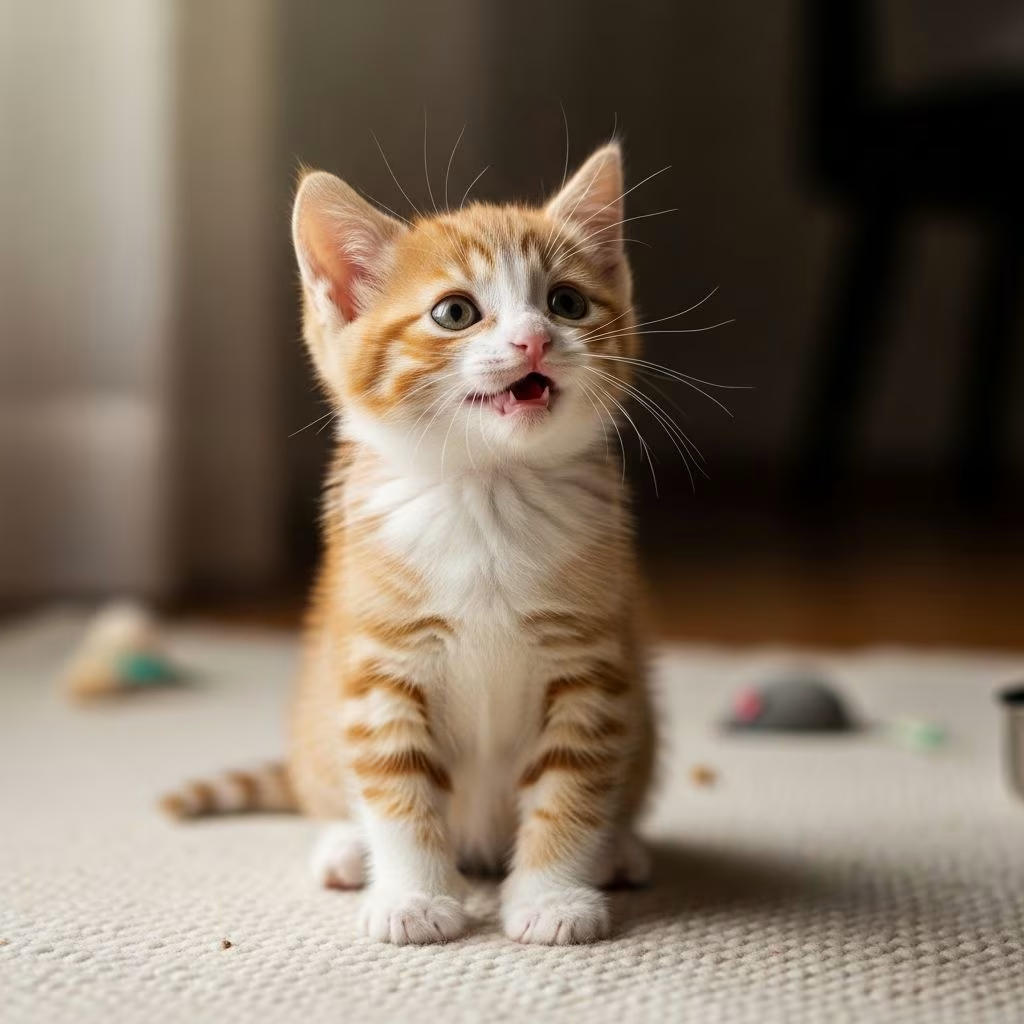
Kittens meow excessively for various reasons, including hunger, attention-seeking, stress, boredom, health issues, feeling threatened, or being in heat. Understanding these causes helps pet owners respond appropriately to reduce vocalization and ensure their kitten’s health and happiness.
Understanding Kitten Vocalizations
Kittens use meowing as their primary communication tool, especially with humans, unlike adult cats who reserve it mostly for people. From birth, kittens meow to signal needs like hunger or cold to their mother. As they grow, this evolves into directed vocalizations toward owners for attention, food, or discomfort. Breeds like Siamese are naturally more vocal.
Normal meowing is expected, but excessive, persistent, or changed patterns—such as yowling at night or sudden increases—warrant investigation. Kittens’ small stomachs mean frequent hunger signals, and their developing independence makes them crave interaction.
Common Reasons Why Your Kitten Keeps Meowing
Attention-Seeking
The most frequent cause of excessive meowing in kittens is seeking attention. Kittens quickly learn that loud meows prompt reactions like petting, play, or feeding, reinforcing the behavior. Responding every time teaches them meowing guarantees results.
To curb this, ignore vocal demands initially and reward quiet behavior with attention. Scheduled play and interaction times prevent attention-starved meowing. Interactive toys and daily routines build security without constant vocal prompting.
Hunger or Thirst
Kittens meow loudly when hungry due to their small stomachs requiring 3-4 meals daily. An empty bowl triggers insistent vocalization as their ‘internal food clock’ signals mealtime. Younger kittens eat more frequently, amplifying this.
- Feed age-appropriate portions multiple times a day.
- Ensure constant fresh water access.
- Use puzzle feeders to extend engagement and mimic hunting.
Avoid rewarding meows with immediate food to prevent learned demanding.
Dissatisfaction with Litter Box
Kittens fuss over litter boxes, meowing in frustration if dirty, too small, wrong substrate, or poorly located. A messy box leads to cries near or inside it.
Solutions include:
- Scooping daily and full changes weekly.
- One box per kitten plus one extra, in quiet spots.
- Experimenting with clumping, non-clumping, or alternative litters.
Clean environments reduce stress-related vocalization.
Stress and Anxiety
Environmental changes like new homes, rearranged furniture, or absent owners cause stress, prompting more meowing. Kittens adjusting post-adoption or separation from littermates vocalize their unease.
Dr. Stephanie Liff notes environmental shifts lead to excessive meowing from separation anxiety. Provide safe retreats, pheromone diffusers, and consistent routines. Gradual introductions for new pets minimize threats.
Boredom or Loneliness
Bored indoor kittens meow or yowl, especially at night, lacking stimulation for predatory instincts. Lonely ones separated from siblings crave companionship.
Combat with:
- Daily 15-20 minute play sessions using wand toys.
- Window perches, scratching posts, and tunnels.
- Companion animals or puzzle toys for solo play.
Adequate activity prevents frustration vocalizations.
Feeling Threatened or Insecure
New pets, loud noises, or territorial disputes make kittens yowl defensively to claim space. Insecurity amplifies vocal protection efforts.
Slow introductions, vertical spaces, and hiding spots restore confidence. Pheromone products soothe anxiety.
Health Issues or Pain
Sudden excessive meowing signals illness or pain. Kittens mask discomfort, but conditions like infections, injuries, hyperthyroidism, kidney disease, or dental problems cause vocal changes.
Accompanying signs: lethargy, appetite loss, litter box straining, or hiding. Elderly or senior cats face cognitive dysfunction or sensory loss. Veterinary exams, bloodwork, or imaging rule out issues like arthritis, urinary obstructions, or tumors.
| Symptom | Possible Cause | Action |
|---|---|---|
| Increased thirst/appetite | Hyperthyroidism, kidney disease | Vet blood tests |
| Litter box crying | UTI, obstruction | Urgent vet visit |
| Night yowling, confusion | Cognitive dysfunction | Senior wellness check |
In Heat (Sexual Maturity)
Female kittens enter heat at 6-10 months, meowing excessively, rolling, and rubbing for mates. Unspayed females vocalize loudly to attract partners.
Spaying by 5-6 months prevents heat cycles, reduces cancer risks, and curbs behaviors. Males may yowl territorially post-maturity.
How to Reduce Excessive Meowing in Kittens
Address root causes systematically:
- Rule out medical issues: Vet visit for exams and tests.
- Optimize environment: Clean litter, fresh food/water, enrichment toys.
- Enforce routines: Scheduled feeding/play to predict needs.
- Ignore demands: No attention during meows; reward silence.
- Increase interaction: Play, grooming, companionship.
- Spay/neuter: Prevents heat-related vocalization.
Patience yields results; persistence may need behaviorist consult.
When to See a Vet for Excessive Meowing
Consult a vet if meowing accompanies:
- Sudden onset or pattern changes.
- Appetite, litter, or energy shifts.
- Lethargy, vomiting, or hiding.
- Age-related increases (seniors).
Early intervention prevents complications.
Frequently Asked Questions (FAQs)
Why does my kitten meow at night?
Night meowing often stems from boredom, loneliness, or hunger. Ensure daytime play, bedtime feeding, and a stimulating environment. Rule out health issues like thyroid problems.
Should I ignore my kitten’s meowing?
Ignore attention-seeking meows but check for genuine needs like food or clean litter first. Rewarding quiet prevents reinforcement.
Is excessive meowing normal for kittens?
Some is normal, but constant or escalating meowing isn’t. Investigate stress, health, or environment.
How do I stop my kitten from meowing for food?
Feed scheduled meals, use auto-feeders, and ignore vocal demands. Puzzle toys extend satisfaction.
Does spaying stop meowing in female kittens?
Yes, it eliminates heat cycles causing excessive vocalization and offers health benefits.
References
- Why Your Cat Is Meowing So Much & What You Can Do About It — Pawlicy Advisor. 2023-05-15. https://www.pawlicy.com/blog/excessive-meowing-in-cats-and-kittens/
- Decoding Feline Chatter: The 5 Common Reasons Behind Your Cat’s Meowing — The Animal Doctors. 2024-02-20. https://www.theanimaldoctors.org/decoding-feline-chatter-the-5-common-reasons-behind-your-cats-meowing/
- Why Is My Kitten Meowing So Much? — Lemonade Pet Insurance. 2023-11-10. https://www.lemonade.com/pet/explained/why-is-my-kitten-meowing-so-much/
- Why Is My Cat Meowing So Much? Exploring Excessive Vocalization in Cats — Cane Bay Vet Clinic. 2024-08-05. https://canebayvetclinic.com/why-is-my-cat-meowing-so-much-exploring-excessive-vocalization-in-cats/
- Meowing and Yowling — ASPCA. 2023-01-12. https://www.aspca.org/pet-care/cat-care/common-cat-behavior-issues/meowing-and-yowling



