

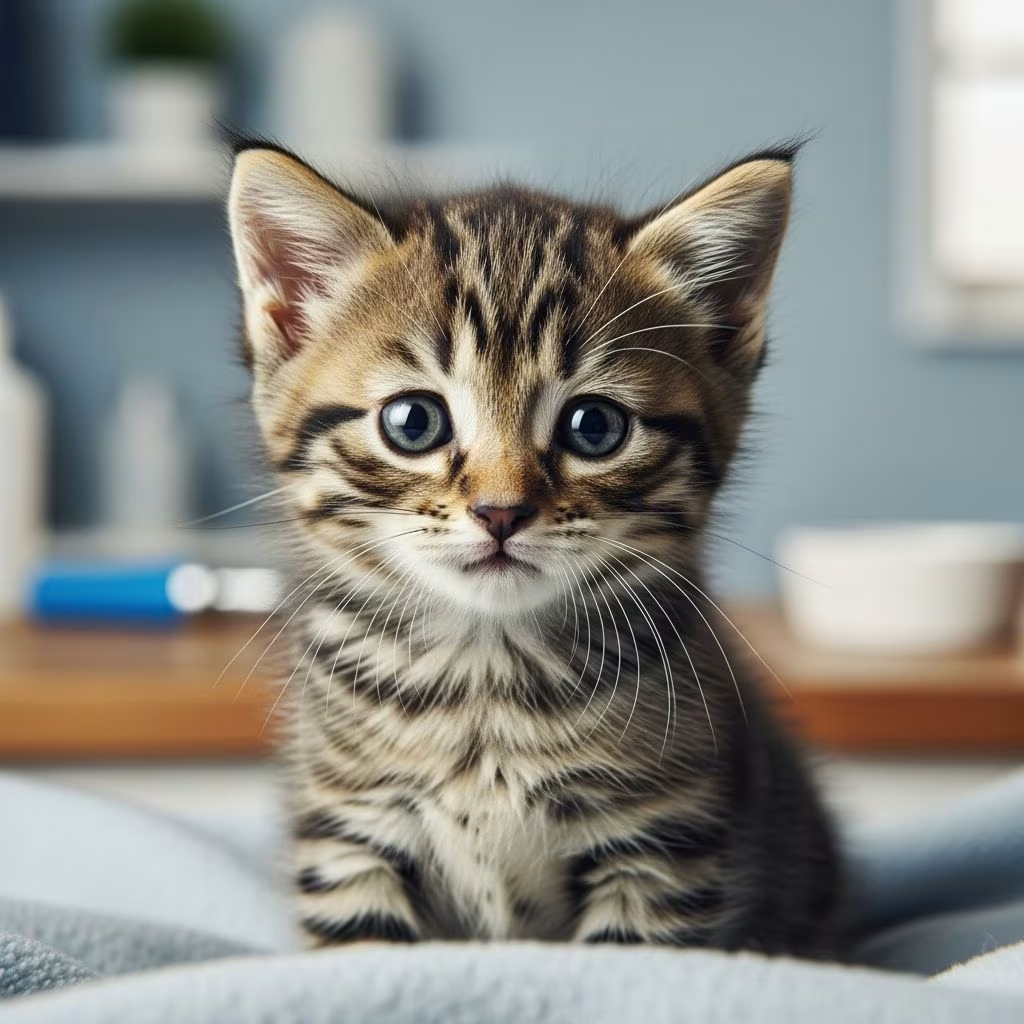
Kitten diarrhea is a common issue that alarms many new cat owners, but understanding its causes can help you respond effectively. Diarrhea in kittens often results from stress, dietary intolerance, primary intestinal disease, or infections with enteropathogenic bacteria, viruses, parasites, and protozoa. While occasional loose stools may resolve on their own, persistent or severe cases require prompt veterinary attention to prevent dehydration and other complications.
What Causes Diarrhea in Kittens?
Several factors can trigger diarrhea in kittens, ranging from benign dietary issues to serious infections. Identifying the underlying cause is crucial for proper treatment.
1. Parasites
Internal parasites like roundworms, tapeworms, and giardia are among the most common culprits in kittens, irritating the intestinal lining and causing severe diarrhea. Kittens should be dewormed starting at two weeks of age, every two weeks until 12 weeks, then monthly with preventive products. Parasites can stunt growth and spread easily in multi-cat environments.
2. Infections
Bacterial infections such as Escherichia coli, salmonella, or campylobacter, and viral ones like feline panleukopenia (feline distemper), rotavirus, or feline coronavirus, frequently cause diarrhea, vomiting, and dehydration in unvaccinated kittens. Feline panleukopenia is highly contagious and life-threatening, emphasizing the need for core vaccinations.
3. Dietary Issues
Sudden diet changes, eating inappropriate foods like table scraps, garbage, or dairy (most cats are lactose intolerant), can lead to gastrointestinal upset. Food allergies, sensitivities, or contaminated food with bacteria like salmonella also contribute. Transition new foods gradually over 7-10 days.
4. Stress
Kittens are sensitive to environmental changes, such as moving to a new home, introducing new pets, or boarding, which can disrupt gut motility and cause loose stools. Stress-induced diarrhea often resolves with time and a stable routine.
5. Toxins and Foreign Objects
Curious kittens may ingest toxic plants, household chemicals, strings, or non-food items, leading to irritation, blockages, or poisoning that manifests as diarrhea. Lilies, antifreeze, and certain medications are particularly dangerous.
6. Other Medical Conditions
Conditions like inflammatory bowel disease (IBD), pancreatitis, congenital issues (e.g., short colon, intussusception), or medication side effects (e.g., antibiotics like amoxicillin) can cause chronic diarrhea. Pancreatitis involves pancreatic inflammation, accompanied by vomiting and lethargy.
Symptoms of Diarrhea in Kittens
Beyond loose stools, watch for signs indicating severity. Diarrhea is unformed or loose stools with increased frequency and volume due to rapid intestinal transit.
- Watery or soupy stools
- Slimy mucus or blood in stool (red indicates lower GI issues like giardia; black/tarry suggests upper GI bleeding)
- Frequent small amounts (possible constipation paradox)
- Foul-smelling stool
Accompanying symptoms include lethargy, vomiting, loss of appetite, weight loss, bloated abdomen, fever, excessive thirst, dry gums (dehydration), and poor coat quality. Dehydration is a major risk; check by pinching skin on the neck—if it doesn’t snap back quickly, seek help.
Kitten Diarrhea Chart: Stool Types and Actions
| Stool Appearance | Possible Cause | Action |
|---|---|---|
| Watery/soupy | Parasites, infection | Vet immediately for kittens; monitor adults 24 hours |
| Slimy mucus | Colitis, food intolerance, IBD | See vet |
| Red blood | Giardia, colitis, IBD | Vet ASAP if heavy |
| Black/tarry | GI bleeding | Emergency vet |
| Straining/small amounts | Constipation, obstruction | Vet evaluation |
This chart helps quickly assess urgency based on stool characteristics.
When to See a Vet for Kitten Diarrhea
Always err on caution with kittens under 6 months due to dehydration risks. Seek immediate care if:
- Diarrhea lasts over 24-48 hours
- Blood, mucus, or black stool present
- Dehydration signs (sunken eyes, tacky gums, lethargy)
- Vomiting, fever, or pain
- Kitten hasn’t completed vaccinations or is unweaned
- Suspected toxin ingestion or foreign body
For mild cases in healthy adults, monitor briefly, but consult a vet if no improvement.
Treatment for Kitten Diarrhea
Treatment depends on the cause, confirmed via fecal tests (PCR for parasites/bacteria), bloodwork, or imaging.
- Supportive Care: Ensure fresh water access; offer electrolyte solutions. Withhold food 12-24 hours, then introduce bland diet (boiled chicken/rice).
- Deworming: Oral dewormers for parasites, ~$6 for 50 tablets. Clean environment to remove eggs.
- Antibiotics: Metronidazole or others for bacterial infections, $5-10 for 10 days.
- Probiotics: Restore gut flora; vet-recommended brands.
- Anti-diarrheals: For viral cases, to firm stools.
- Fluids: Subcutaneous or IV for dehydration.
- Special Diets: Prescription sensitive stomach food, ~$30/bag.
Vaccinate against preventable viruses and use monthly parasite preventives.
Home Remedies and Prevention Tips
While awaiting vet care:
- Provide plenty of water; add low-sodium chicken broth if refusing.
- Fast briefly, then bland diet; avoid dairy/table scraps.
- Probiotics like FortiFlora.
- Keep litter box clean; isolate if multi-cat home.
- Prevent access to toxins/plants.
Prevention: Gradual diet transitions, regular deworming/vaccinations, stress minimization, high-quality kitten food. Annual fecal exams catch issues early.
Frequently Asked Questions (FAQs)
Q: How long does kitten diarrhea last?
A: Mild cases resolve in 24-48 hours with home care; persistent cases need vet evaluation to identify causes like parasites or infections.
Q: Can I give my kitten human medicine for diarrhea?
A: No, never use human medications like Pepto-Bismol; they can be toxic. Consult a vet for safe options.
Q: Is cow’s milk safe for kittens?
A: No, most are lactose intolerant, causing diarrhea. Stick to kitten milk replacer if needed.
Q: Will probiotics help my kitten’s diarrhea?
A: Yes, they support gut health, especially post-antibiotics, but choose vet-approved ones.
Q: How can I prevent parasites in kittens?
A: Deworm regularly from 2 weeks, use monthly topicals, and maintain hygiene.
Conclusion
Addressing kitten diarrhea promptly protects their delicate health. By recognizing causes like parasites and infections, monitoring symptoms, and seeking timely vet care, you can help your kitten recover quickly and thrive. Always prioritize professional guidance over home remedies alone.
References
- Rational Approach to Diagnosing and Managing Infectious Causes of Diarrhea in Kittens — PMC/NCBI. 2020-04-01. https://pmc.ncbi.nlm.nih.gov/articles/PMC7152495/
- 18 Common Causes of Diarrhea in Cats and Kittens — CareCredit. 2023-01-15. https://www.carecredit.com/well-u/pet-care/what-causes-kitten-diarrhea/
- Kitten Diarrhea: Common Causes, Symptoms and Treatment — BluePearl Pet Hospital. 2024-05-20. https://bluepearlvet.com/medical-articles-for-pet-owners/kitten-diarrhea/
- Kitten Diarrhea 101: Causes, Symptoms, and Treatment — Chewy. 2024-08-10. https://www.chewy.com/education/cat/health-and-wellness/dealing-with-kitten-diarrhea
- Diarrhea in Cats — VCA Animal Hospitals. 2023-11-05. https://vcahospitals.com/know-your-pet/diarrhea-in-cats



