

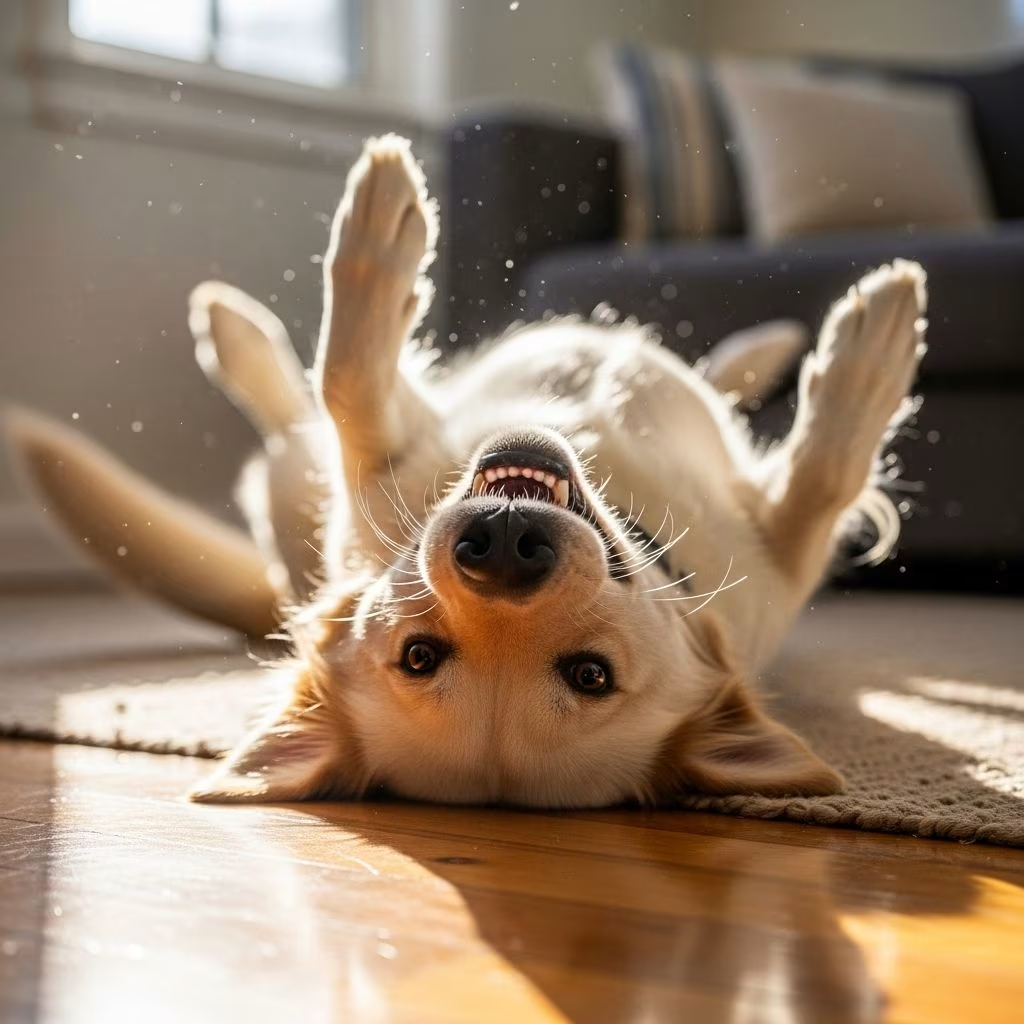
Dogs rolling on the floor is a common and often endearing behaviour that can puzzle many pet owners. Whether it’s a joyful wiggle on the carpet or a vigorous roll across the living room, this action serves multiple purposes rooted in instinct, comfort, and communication. Understanding the motivations behind it helps owners distinguish between harmless fun and signs that may require attention.
This behaviour stems from canine evolutionary traits, sensory needs, and physical comforts. Dogs may roll to scratch hard-to-reach itches, spread their scent, signal submission during play, cool down, or simply express happiness. While usually benign, excessive or sudden rolling can indicate allergies, parasites, or skin issues. Observing body language, frequency, and accompanying symptoms is key to interpretation.
Reasons Why Dogs Roll on the Floor
Dogs exhibit this behaviour for a variety of instinctual and practical reasons. Below, we explore the primary motivations, supported by veterinary and behavioural insights.
1. Scratching an Itch or Relieving Skin Irritation
One of the most straightforward explanations is that your dog is trying to scratch an itch it can’t reach with its paws. Areas like the back, shoulders, or neck are difficult for dogs to access, so rolling on the floor provides friction and relief. This can be due to dry skin, minor allergies, or environmental irritants like dust or pollen.
If rolling is accompanied by excessive scratching, licking, or visible redness, it may signal fleas, allergies, or infections. Chronic cases warrant a vet visit to rule out underlying conditions like atopic dermatitis. Regular flea prevention and hypoallergenic shampoos can mitigate this.
- Signs of itch-related rolling: Repeated rubbing on specific spots, bald patches, or scabs.
- Prevention tips: Bathe with medicated shampoo, use flea treatments, and maintain a clean environment.
2. Scent Marking and Communication
Dogs possess scent glands on their backs, shoulders, and paws. Rolling on the floor allows them to deposit these personal scents, marking territory or communicating with other dogs. This is an ancestral behaviour from wolves, who masked their scent to hunt stealthily or leave messages for pack members.
Indoor rolling might transfer household scents back to their coat, reinforcing their bond with the home. Breeds with strong prey drives, like hounds or terriers, are particularly prone.
While not harmful, it can lead to dirty coats. Discourage rolling in foul odours outdoors to prevent bacterial risks.
3. Playfulness and Invitation to Interact
A loose, wiggly roll with paws in the air often signals playtime. Dogs roll to invite humans or other dogs to engage, self-handicapping to make the game fair. Look for play bows (front down, rear up) or an open mouth grin as confirmations.
This joyful behaviour boosts endorphins and strengthens social bonds. It’s common in puppies and energetic breeds.
- Wagging tail and relaxed body: Pure fun.
- Stiff posture: Avoid petting; it may indicate discomfort.
4. Submission or Appeasement
Rolling exposes the vulnerable belly, a submissive gesture to diffuse tension or show trust. In multi-dog homes or dog parks, it prevents fights by signalling “I’m not a threat.”
With owners, it might mean “I trust you – pet me!” but stiff legs or tucked tail suggest fear or anxiety. Nervous dogs may tremble or urinate. Address anxiety through training and gradual socialization.
5. Cooling Down When Overheated
Dogs primarily cool via panting, but rolling exposes the sparsely furred belly to air, aiding temperature regulation on warm days. Indoor rolling might occur near cool floors like tile.
Monitor for overheating signs: heavy panting, lethargy. Provide shade, water, and avoid hot walks.
6. Masking Odours or Instinctual Hunting
Some dogs roll to cover their scent with stronger ones, mimicking wild hunting tactics. While more common outdoors on dead animals or feces, indoor versions use carpet odours.
This is normal but hygiene-conscious owners should bathe post-roll to avoid infections.
Body Language Cues to Watch For
Context is crucial. Decode your dog’s roll by observing:
| Cue | Meaning | Action |
|---|---|---|
| Loose body, paws up, wagging tail | Playful/happy | Join the fun! |
| Stiff legs, ears back, wide eyes | Fearful/submissive | Remove stressors, reassure gently |
| Vigorous rubbing on one spot | Itchy/discomfort | Check skin, consult vet if persistent |
| Relaxed flop after activity | Cooling/relaxing | Ensure hydration |
These cues help differentiate joy from distress.
When Should You Be Concerned?
Occasional rolling is normal, but worry if:
- Sudden increase or obsession.
- Paired with limping, whining, rashes, or hair loss.
- Behaviour follows diet/environment changes.
- Dog seems distressed or in pain.
These may indicate allergies, parasites, anal gland issues, or neurological problems. Seek vet care promptly.
How to Manage and Discourage Undesirable Rolling
Balance instinct with hygiene:
- Groom regularly: Brush to distribute oils, check skin.
- Flea control: Monthly preventatives.
- Redirect play: Use toys for energy outlet.
- Clean environment: Vacuum allergens.
- Vet check-ups: Annual skin exams.
For scent-rollers, positive reinforcement training works better than punishment.
Frequently Asked Questions (FAQs)
Why does my dog suddenly roll on the floor a lot?
Sudden rolling often signals itchiness, playfulness, or new scents. Monitor for other symptoms like scratching.
Is it bad if my dog rolls on the floor obsessively?
Yes, if excessive – it may indicate skin issues, allergies, or pain. Consult a vet.
Why does my dog roll on their back and wiggle?
Wiggling scratches itches or masks scents. Stiff wiggling suggests anxiety.
Should I stop my dog from rolling on the carpet?
Not always; it’s natural. But bathe after dirty rolls and address medical causes.
When to take a rolling dog to the vet?
If persistent, with rashes, distress, or behaviour changes.
Conclusion: Embrace the Roll with Awareness
Dog rolling on the floor blends joy, instinct, and self-care. By understanding cues, owners foster better bonds and health. Most rolls are harmless fun – enjoy the wiggle!
References
- Dogs Rolling on Floor Suddenly: Signs to Watch — Dial A Vet. 2023. https://www.dialavet.com/vet-answers/dog-rolling-on-floor-suddenly-signs-262422
- Why Do Dogs Roll on Their Backs and Wiggle — Blue Buffalo. 2023. https://www.bluebuffalo.com/articles/dog/why-do-dogs-roll-on-their-backs/
- Why Does My Dog Roll on Their Back? — American Kennel Club (AKC). 2023-10-12. https://www.akc.org/expert-advice/lifestyle/why-does-my-dog-roll-on-their-back/
- Why Do Dogs Roll in the Grass? — PetMD (Hanie Elfenbein, DVM). 2023. https://www.petmd.com/dog/behavior/why-do-dogs-roll-grass



