

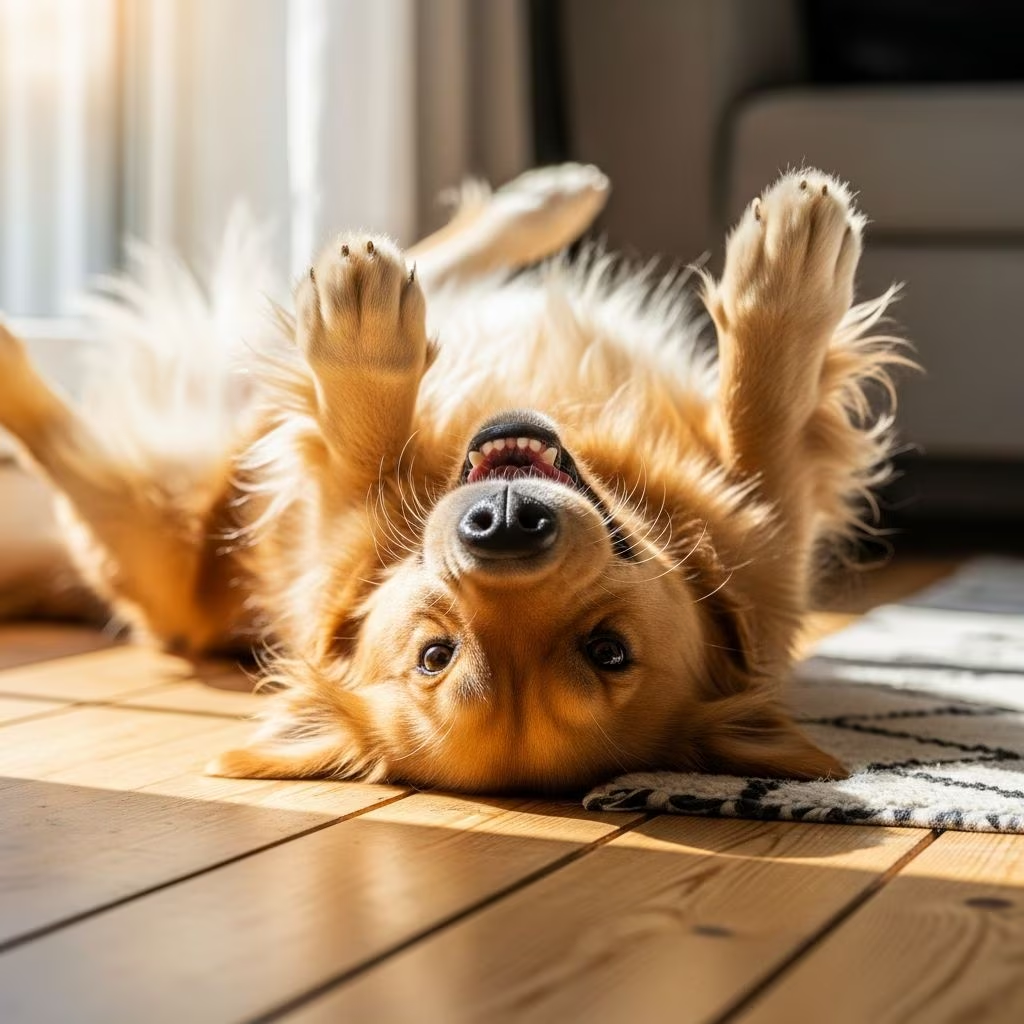
Dogs rolling on the floor is a common sight that can puzzle even experienced pet owners. This quirky behavior, often accompanied by wiggling and blissful expressions, serves multiple purposes rooted in instinct, comfort, and communication. While it might look like pure silliness, understanding why dogs roll on the floor helps you distinguish between harmless fun and potential health concerns. From ancestral hunting tactics to simple itch relief, we’ll break down the key reasons, when to worry, and how to respond.
Reasons Why Dogs Roll on the Floor
Dogs exhibit this behavior for a variety of instinctual and practical reasons. Veterinary experts note that floor rolling mimics natural actions like grass rolling, adapted to indoor environments. Here’s a detailed look at the primary motivations.
1. To Relieve an Itch or Skin Irritation
One of the most straightforward explanations is itch relief. Dogs can’t reach every spot on their body with their paws, so rolling on the floor provides a satisfying scratch, especially for hard-to-reach areas like the back or neck. This is particularly common if your dog has dry skin, allergies, fleas, or minor irritations.
- Fleas and parasites: External pests cause intense itching, leading to frequent rolling and scratching.
- Allergies: Environmental allergens like pollen or food sensitivities can trigger skin inflammation.
- Dry skin: Low humidity or frequent baths without moisturizing shampoos exacerbate this.
If rolling is accompanied by excessive scratching, bald patches, or redness, inspect your dog’s skin closely. Chronic cases may indicate infections or hotspots, requiring veterinary attention.
2. Scent Marking and Communication
Dogs have over 300 million olfactory receptors, making scent a primary communication tool. Rolling on the floor allows them to deposit their natural oils and pheromones from scent glands on their back and shoulders, marking territory or sharing information with other dogs.
- Indoor adaptation: Without grass or outdoor scents, carpets and rugs become prime rolling surfaces.
- Pack signaling: This ‘look what I found’ behavior shares environmental smells with you or other pets.
Though less common indoors, dogs may roll to overwrite unfamiliar scents, like after visitors or new furniture. It’s a harmless way for them to feel in control of their space.
3. Playfulness and Joy
When your dog flops onto the floor with a wagging tail and playful grin, it’s often pure exuberance. Rolling invites play, signaling ‘come wrestle with me!’ This self-handicapping posture—exposing the belly—encourages interaction during games.
- With humans: Loose body, open mouth, and play bows precede rolls as invitations for belly rubs or tug-of-war.
- With other dogs: Puppies and energetic adults use it to initiate roughhousing.
Experts from the American Kennel Club emphasize that this is a friendly, non-threatening gesture, enhancing social bonds.
4. Cooling Down
On warm days, dogs roll to expose their sparsely furred bellies to cooler floors or air currents. While they primarily cool via panting and paw pads, belly exposure aids thermoregulation. Indoor AC floors make this especially appealing during heatwaves.
5. Instinctual Hunting Behavior
Traced to wolf ancestors, rolling disguises a dog’s scent with environmental odors, aiding stealthy approaches to prey. Modern dogs retain this ‘camouflage’ instinct, rolling in strong smells—even carpet fibers—to mask their presence.
6. Submission, Fear, or Anxiety Signals
Not always positive, rolling can indicate stress. A stiff, trembling body while rolling suggests fear, used to appease dominant dogs or humans by showing vulnerability.
- Positive submission: Excited greetings with squirmy rolls mean ‘I’m happy and harmless!’
- Negative: Tense posture signals discomfort; remove from the stressor immediately.
Desensitization training helps anxious rollers build confidence.
7. Tactial Play Advantage
During wrestling, rolling isn’t surrender—it’s strategy. Dogs launch counterattacks or evade bites from this position, as observed in play studies.
When Should You Be Concerned?
Occasional rolling is normal, but sudden increases or obsessive behavior warrant attention. Monitor for:
- Redness, rashes, or hot spots.
- Excessive licking/scratching.
- Limping, distress vocalizations, or lethargy.
- Sudden onset after diet/environment changes.
Table: Normal vs. Concerning Rolling
| Normal Rolling | Concerning Rolling |
|---|---|
| Playful, relaxed body Occasional, joyful context | Sudden/excessive Paired with scratching, stiffness |
| No other symptoms | |
Consult a vet if symptoms persist beyond 24-48 hours.
How to Stop Unwanted Floor Rolling
Redirect gently with positive reinforcement:
- Interrupt with a command like ‘sit’ and reward alternatives.
- Provide scratchers or flea preventives.
- Enrich environment with toys to curb boredom rolls.
Avoid punishment—it increases anxiety.
Frequently Asked Questions (FAQs)
Why does my dog roll on the floor suddenly?
Sudden rolling often signals itchiness, excitement, or play invitation. Check for fleas or allergens; if distressed, vet check recommended.
Is dog floor rolling a sign of pain?
Rarely, but if paired with whining or guarding, it could indicate discomfort. Observe and consult vet.
Why do dogs roll on their backs indoors?
Indoor rolling adapts outdoor instincts: scent, itch relief, cooling, or play. Carpets simulate grass.
Should I worry if my dog rolls a lot?
Yes, if with symptoms like rashes or anxiety. Otherwise, it’s likely benign.
How to prevent excessive rolling?
Maintain flea prevention, allergy management, and training. Vet exams rule out issues.
This comprehensive guide empowers you to interpret your dog’s floor rolls confidently. Prioritize health checks for peace of mind.
References
- Dog Rolling on Floor Suddenly: Signs to Watch — Dial A Vet. 2023. https://www.dialavet.com/vet-answers/dog-rolling-on-floor-suddenly-signs-262422
- Why Does My Dog Roll on Their Back? — American Kennel Club (AKC). 2023-10-15. https://www.akc.org/expert-advice/lifestyle/why-does-my-dog-roll-on-their-back/
- Why Do Dogs Roll in the Grass? — PetMD (Hanie Elfenbein, DVM). 2023. https://www.petmd.com/dog/behavior/why-do-dogs-roll-grass



