

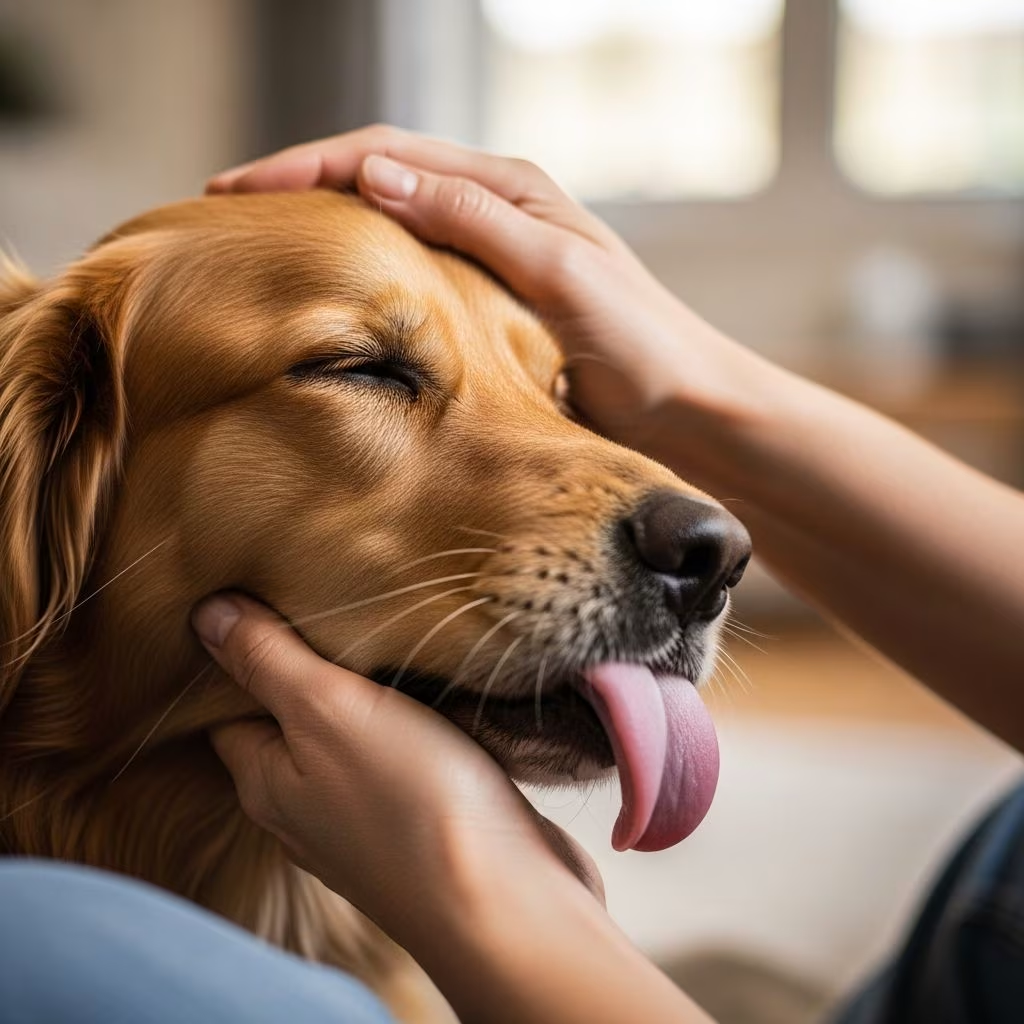
Dogs lick their owners during petting as a natural behavior rooted in affection, communication, and instinct. This action often signals love, submission, or a request for more interaction, though excessive licking may indicate stress, anxiety, or health issues.
The Natural Instinct Behind Licking
Licking is an innate behavior for dogs, starting from puppyhood when they lick their mother’s face for food, comfort, and bonding. As adults, this evolves into a way to show affection, groom, and explore their environment using their specialized tongues covered in papillae that act like brushes. When you pet your dog, they may lick you to reciprocate the attention, mimicking how puppies interact with their mother.
This instinct serves multiple purposes: it strengthens social bonds, cleans wounds, and even communicates needs. A gentle lick during petting is typically harmless and endearing, reinforcing the human-dog relationship.
Affection and Bonding
One of the primary reasons dogs lick when petted is pure affection. Similar to a human kiss or hug, a lick says “I love you” and expresses trust. This stems from early maternal grooming, where mothers lick pups to nurture them, creating lifelong associations with positive emotions.
During petting sessions, your dog licks to return the gesture, deepening the bond. If the licking stops when ignored, it’s often attention-seeking rather than a deeper issue. Positive reinforcement, like calm petting without over-encouraging, can maintain this as a healthy expression of love.
Submission and Appeasement
Dogs lick to show submission or appeasement, especially toward those they view as dominant, like owners during petting. This calms social tensions and signals “I’m friendly” or “please don’t stop.” In multi-dog households, lower-ranking dogs lick higher ones similarly.
When petting triggers this, it’s your dog’s way of acknowledging your leadership while enjoying the interaction. It’s a non-aggressive communication tool evolved from wolf pack behaviors.
Taste and Exploration
Your skin’s salty taste from sweat attracts dogs, who explore the world through licking. Petting brings your hand close, prompting investigative licks to gather sensory data on scents and flavors.
This curiosity-driven licking is normal, especially on hands or face, but can intensify if your dog detects food residues or interesting odors.
Grooming and Cleaning
Dogs lick to groom themselves and others, viewing petting as an invitation to “help” clean you. Their rough tongues remove dirt effectively, a behavior seen in wild canids for hygiene and parasite control.
- Puppies learn grooming from mothers.
- Adult dogs extend this to pack members, including humans.
- During petting, licks target perceived “messy” areas like hands.
Stress Relief and Self-Soothing
Licking releases endorphins, providing calm during stress. Petting might coincide with anxiety triggers like overstimulation, leading to licks as coping.
Signs include licking lips, air, or floors alongside petting. Boredom or changes (new home, routines) amplify this. Provide mental stimulation like toys or walks to reduce it.
Attention-Seeking Behavior
Smart dogs learn licking prompts reactions—even pushing away counts as attention. If petting leads to licks for more pets or play, reinforce by ignoring and rewarding calm behavior.
Consistent training discourages this: turn away briefly, then resume petting when licking stops.
When Licking Becomes Excessive
Normal licking lasts seconds and feels gentle; excessive is persistent, intense, or focused on one spot, potentially signaling problems.
| Normal Licking | Excessive Licking |
|---|---|
| Brief, during interaction | Constant, even when alone |
| No skin damage | Hair loss, redness, wounds |
| Happy demeanor | Restlessness, whining |
Behavioral Causes of Excessive Licking
- Anxiety/Stress: Separation, noises, or changes trigger endorphin-releasing licks.
- Boredom: Understimulated dogs lick objects or air.
- OCD: Repetitive licking as compulsion, needing behavioral therapy.
Medical Causes of Excessive Licking
Rule out health issues first. Common culprits include:
- Allergies: Environmental (pollen), food, or flea; causes itchy paws, belly. Treatment: antihistamines, special diets, meds like Zenrelia.
- Skin Issues: Infections (bacterial/yeast), parasites; leads to hot spots.
- GI Problems: Nausea, reflux; dogs lick air/floors.
- Dental Pain: Gum disease, toothaches prompt lip/mouth licking.
- Pain/Injury: Arthritis, wounds; targeted licking.
- Neurological: Rare, with other symptoms like seizures.
- Anal Glands/UTIs: Excessive genital licking.
When to See a Vet
Consult a vet if licking persists >1-2 weeks, causes skin damage, or accompanies symptoms like lethargy, appetite loss, limping, or odor.
Vets diagnose via exams, allergy tests, bloodwork. Treatments: meds, diets, cone collars, behavior plans. Early intervention prevents complications like infections.
How to Manage and Reduce Licking
- Ignore Attention-Seeking: No reaction to licks.
- Enrich Environment: Puzzles, exercise to combat boredom.
- Training: “Leave it” commands with rewards.
- Grooming Routine: Regular baths reduce allergens.
- Calming Aids: Supplements, anxiety wraps for stress.
- Diet Trial: Hypoallergenic food for allergies.
For compulsive cases, professional trainers or vets specializing in behavior help.
Frequently Asked Questions (FAQs)
Is it bad if my dog licks me when I pet them?
Usually not; it’s affectionate. But excessive licking warrants monitoring.
Why does my dog lick my face during pets?
Affection, taste, or submission; face glands carry scents they explore.
Does licking mean my dog is anxious?
Possibly, if paired with pacing or whining. Identify triggers.
How do I stop excessive licking?
Ignore, distract, vet check; address root cause.
Can allergies cause licking only when petted?
Petting may irritate itchy skin, prompting licks.
Conclusion
Understanding why dogs lick when petted enhances your bond while spotting issues early. Most licks are loving, but vigilance ensures your dog’s health and happiness.
References
- The Science Behind the Slurp: Why Dogs Engage in Excessive Licking — Rea Road Animal Hospital. 2023. https://www.rearoadanimalhospital.com/the-science-behind-the-slurp-why-dogs-engage-in-excessive-licking/
- Dog Licking Excessively? 12 Reasons & When to See a Vet — Caring Hands Vet. 2024. https://caringhandsvet.com/12-reasons-dogs-lick-excessively-and-when-to-be-concerned/
- Is It Normal? Why Dogs Engage in Excessive Licking Constantly — Riverbend Pet. 2023. https://www.riverbendpet.com/reasons-dogs-excessive-licking/
- Why Dogs Lick Their Privates — VCA Animal Hospitals. 2025. https://vcahospitals.com/know-your-pet/why-dogs-lick-their-privates
- Excessive Licking, Chewing, and Grooming in Dogs — PetMD. 2024. https://www.petmd.com/dog/general-health/excessive-licking-chewing-and-grooming-dogs



