

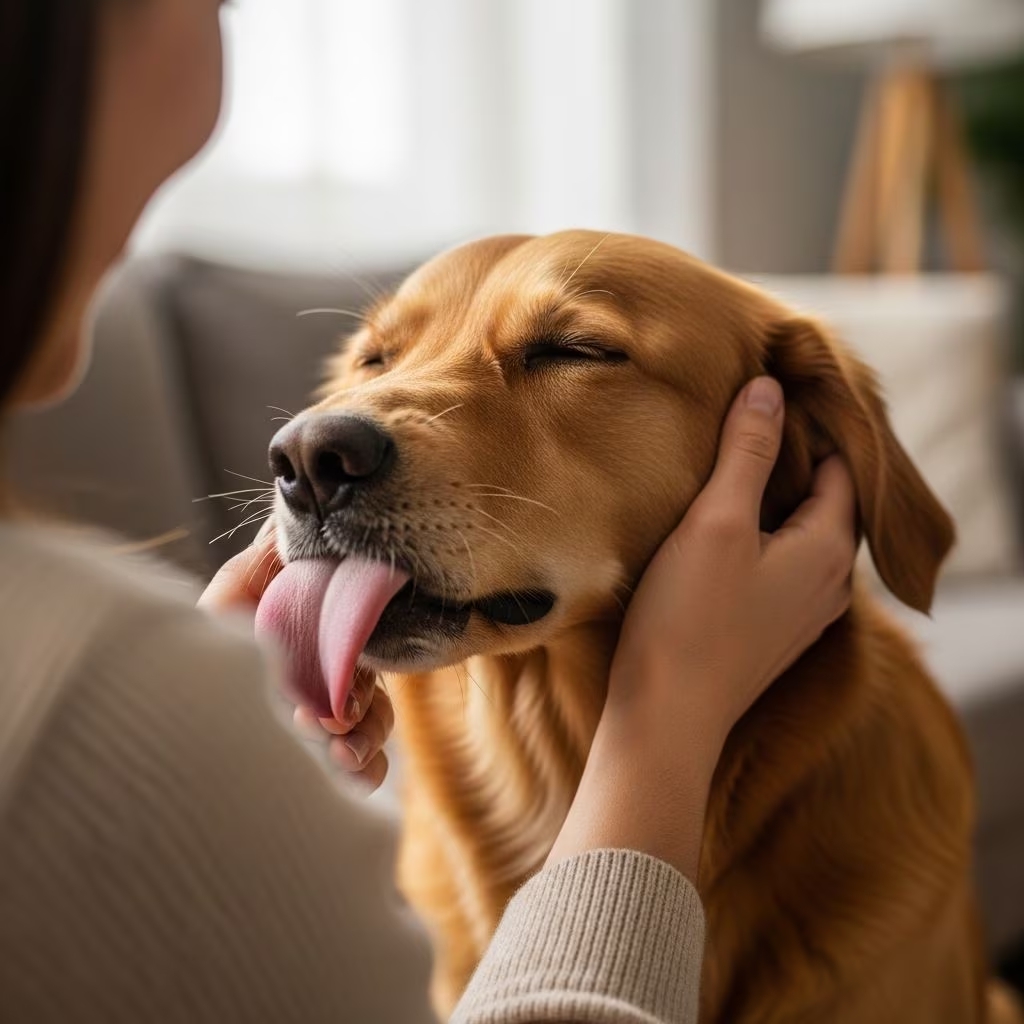
Dogs lick their owners during petting as a natural behavior rooted in instinct, affection, communication, and sometimes underlying health or emotional needs. This article explores the science behind licking, distinguishing normal from excessive patterns, and provides actionable advice for dog owners.
The Natural Instinct Behind Dog Licking
Licking is an innate behavior for dogs, originating from puppyhood when they lick their mother’s face to stimulate regurgitation of food and seek comfort. This early association makes licking a lifelong tool for soothing, exploration, and social bonding. Adult dogs retain this instinct, using their rough, papillae-covered tongues to groom themselves, investigate scents, and interact with pack members—including humans treated as family.
When you pet your dog, they may lick in response to mimic this nurturing exchange, reinforcing the human-dog bond. It’s a sign of trust and contentment, similar to how wolves lick dominant pack members.
Affection and Social Bonding
One primary reason dogs lick during petting is pure **affection**. Owners often interpret these licks as ‘kisses,’ and science supports this: licking releases oxytocin in both dogs and humans, fostering emotional closeness akin to parental bonding in mammals.
- Pack hierarchy signaling: Licking appeases higher-ranking members, showing submission and respect during vulnerable moments like petting.
- Grooming reciprocity: Your petting mimics pack grooming; licking reciprocates, strengthening social ties.
- Excitement response: Petting triggers joy, prompting enthusiastic licks as an overflow of happiness.
These affectionate licks are typically brief, gentle, and accompanied by relaxed body language like wagging tails or soft eyes.
Communication Through Licking
Dogs lick to convey specific messages during interactions. When petted, a lick might mean ‘I love this—keep going!’ or serve as a polite request.
| Lick Type | Meaning | Body Language Cues |
|---|---|---|
| Quick lip licks | Calm appeasement or ‘I’m good’ | Relaxed ears, soft gaze |
| Face-focused licks | Affection or attention-seeking | Tail wag, leaning in |
| Persistent paw/air licks | Potential stress or discomfort | Yawning, lip licking, avoidance |
Understanding these signals prevents misinterpretation; excessive face-licking might shift from affection to discomfort if petting overstimulates.
Taste and Exploration
Dogs experience the world through taste and smell. Your skin’s salty sweat, lotions, or residues intrigue them, prompting licks during petting to ‘sample’ you. This sensory exploration is harmless in moderation but can become habitual if rewarding (e.g., eliciting more pets).
- Post-walk saltiness amplifies appeal.
- New scents on hands trigger investigation.
- Boredom leads to licking familiar, tasty surfaces like skin.
Self-Soothing and Stress Relief
Licking releases endorphins, calming dogs during emotional states. Petting relaxes most dogs, but overstimulation, uncertainty, or past trauma can prompt licking as a coping mechanism.
Common triggers include:
- Separation anxiety: Licking mimics comfort from absent owners.
- Boredom: Understimulated dogs lick for self-entertainment.
- Environmental stress: Noises or changes prompt soothing licks.
If licking escalates during petting, observe for signs like pacing or whale-eye (whites showing).
Grooming and Hygiene Behaviors
Dogs lick to clean, and petting dislodges debris or stimulates grooming responses. They may lick you to ‘return the favor,’ transferring care in a pack dynamic.
Normal grooming licks focus on paws, flanks, or genitals post-urination. Excessive self-grooming signals issues like allergies.
When Licking Indicates Health Issues
While occasional licks are benign, **excessive licking**—defined as persistent, intense, or localized—warrants veterinary attention. Rule out medical causes first.
Allergies and Skin Irritations
Allergies (environmental, food, flea) cause itchy skin, leading to licking paws, belly, or flanks. Redness, hair loss, or infections follow if unchecked. Food trials or antihistamines help; environmental walks timed for low pollen reduce exposure.
Gastrointestinal and Nausea Problems
Upset stomachs prompt air/floor licking to soothe nausea. Accompanied by drooling or appetite loss, this signals GI issues needing dietary or probiotic intervention.
Dental and Oral Pain
Toothaches or gum disease cause lip/mouth licking. Bad breath or reluctance to eat confirms; dental cleanings resolve.
Pain and Injuries
Dogs lick sore spots (joints, wounds) for comfort. Arthritis or injuries manifest as targeted licking; limping or whining accompanies.
Infections and Neurological Concerns
UTIs cause genital licking with frequent urination; skin/yeast infections add odor/pustules. Rare OCD or neurological issues involve compulsive, non-stop licking.
Normal vs. Excessive Licking: Key Differences
| Normal Licking | Excessive Licking |
|---|---|
| Brief, intermittent during happy interactions | Constant, interfering with daily life |
| No skin damage or behavioral changes | Hair loss, wounds, anxiety signs |
| Stops when redirected | Persists despite intervention |
Monitor duration, location, and context. Log episodes for vet discussions.
How to Manage and Reduce Excessive Licking
- Vet check-up: Bloodwork, skin scrapes, or urinalysis rules out medical issues.
- Enrichment: Puzzles, walks combat boredom/anxiety.
- Training: Redirect with commands like ‘sit’; ignore attention-seeking licks.
- Diet tweaks: Hypoallergenic food for allergies.
- Calming aids: Supplements, thunder shirts for stress.
- Professional help: Behaviorists for OCD-like patterns.
Consistency prevents reinforcement; reward calm behaviors.
Frequently Asked Questions (FAQs)
Is it bad if my dog licks me a lot when I pet them?
Moderate licking shows affection, but excessive may indicate stress or health issues. Monitor for changes and consult a vet if concerned.
Why does my dog lick my face specifically during petting?
Face licking targets scent glands, signaling strong bonds or submission. It’s instinctual but train alternatives if unhygienic.
Does licking mean my dog is anxious?
Possibly—stress triggers endorphin-releasing licks. Identify triggers like loud noises and provide outlets.
When should I worry about my dog’s licking?
If accompanied by redness, hair loss, lethargy, or persistence post-medical clearance, seek professional evaluation.
Can I stop my dog from licking me?
Yes, through positive reinforcement: turn away, redirect to toys, and reward non-licking interactions. Patience is key.
Conclusion: Embrace the Licks with Awareness
Your dog’s licks during petting blend love, instinct, and communication. By discerning normal joy from potential red flags, you enhance their well-being. Regular vet visits and attentive care keep tails wagging healthily.
References
- The Science Behind the Slurp: Why Dogs Engage in Excessive Licking — Rea Road Animal Hospital. 2023. https://www.rearoadanimalhospital.com/the-science-behind-the-slurp-why-dogs-engage-in-excessive-licking/
- Dog Licking Excessively? 12 Reasons & When to See a Vet — Caring Hands Vet. 2024. https://caringhandsvet.com/12-reasons-dogs-lick-excessively-and-when-to-be-concerned/
- Is It Normal? Why Dogs Engage in Excessive Licking Constantly — Riverbend Pet. 2023. https://www.riverbendpet.com/reasons-dogs-excessive-licking/
- Excessive Licking, Chewing, and Grooming in Dogs — PetMD. 2025-01-10. https://www.petmd.com/dog/general-health/excessive-licking-chewing-and-grooming-dogs
- Why Dogs Lick Their Privates — VCA Animal Hospitals. 2024. https://vcahospitals.com/know-your-pet/why-dogs-lick-their-privates
- Why Does My Dog Lick the Couch? — Whole Dog Journal. 2023. https://www.whole-dog-journal.com/behavior/why-does-my-dog-lick-the-couch/
- Licking Behavior Explained — Beyond the Dog Training. 2024. https://beyondthedogtraining.com/dog-training/licking-behavior-explained/



