

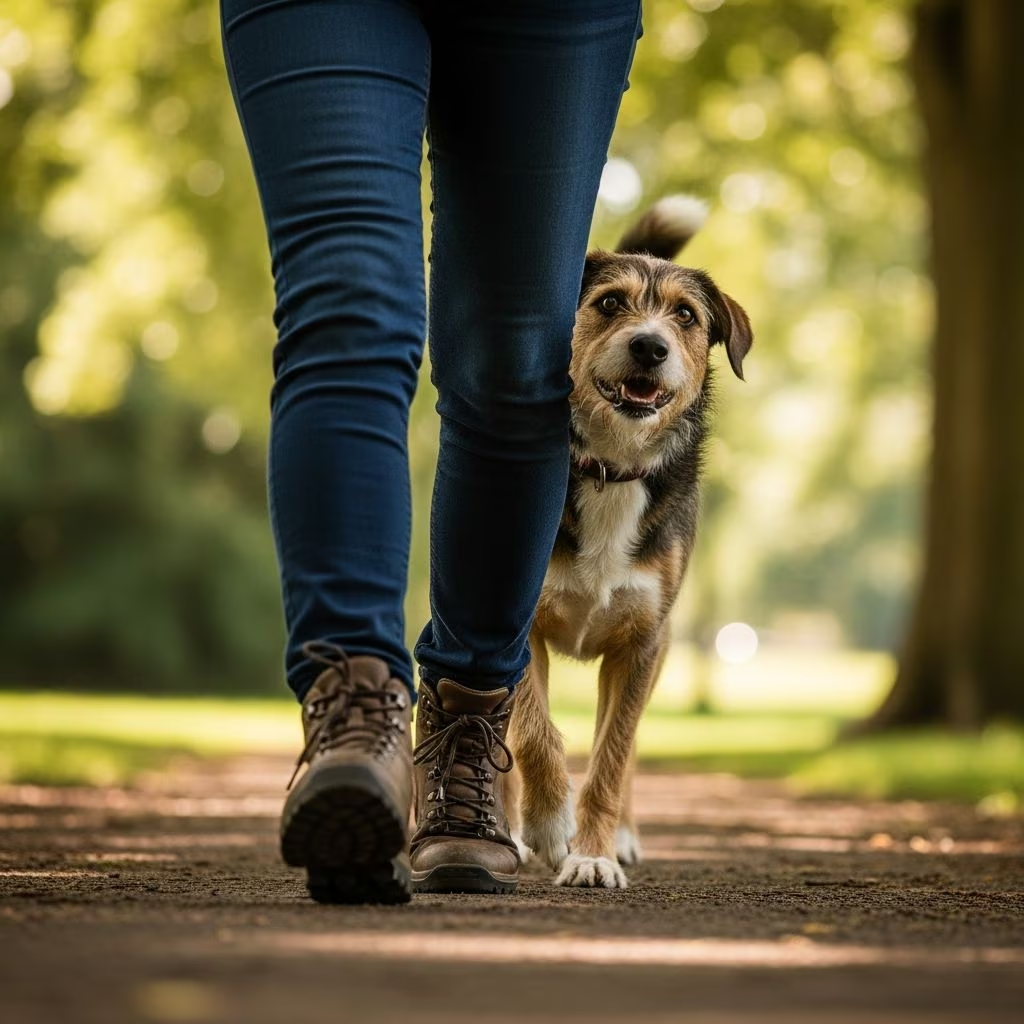
Dogs weaving between their owner’s legs is a common behavior that can puzzle many pet parents. This action often stems from a mix of instinct, emotion, and learned responses, ranging from seeking safety to demanding attention. Understanding the underlying causes helps owners respond appropriately, fostering better communication and training outcomes.
Common Reasons Why Dogs Go Between Legs
Dogs exhibit this behavior for several interconnected reasons. It serves as a way to navigate their environment, express needs, or cope with stimuli. Below, we break down the primary motivations based on canine psychology and training insights.
Seeking Comfort and Security
One of the most frequent explanations is that dogs view their owners as a safe haven. As pack animals, dogs instinctively seek proximity to trusted pack members for protection, especially in unfamiliar or overwhelming situations like crowded parks, vet visits, or encounters with strangers. Medium and large breeds show this more often, using the space between legs as a sheltered “den.” This behavior provides physical reassurance, mimicking how puppies huddle under their mother.
In stressful environments, the closeness reduces perceived threats. For instance, during thunderstorms or fireworks, a dog might press between legs to feel shielded. This is generally harmless if occasional but signals deeper anxiety if persistent.
Displaying Affection and Bonding
Your dog may simply be expressing love and trust. By positioning themselves between your legs, they reinforce the human-canine bond, signaling “you’re my safe person.” This affectionate gesture strengthens emotional ties, similar to how dogs nuzzle or lean against each other in packs.
It’s particularly common during greetings or play, where the dog stays close to maintain connection. Recognizing this as positive can enhance your relationship, provided it doesn’t become disruptive.
Attention-Seeking Behavior
Dogs are masters at capturing focus, and leg-weaving is an effective tactic. If past attempts resulted in pets, praise, or treats, the dog learns to repeat it for rewards. This manipulation can escalate, as the behavior guarantees interaction—owners can’t easily ignore a dog tangled in their legs.
Positive reinforcement, even unintentional, solidifies the habit. For working breeds like Labs or herding dogs, it might also stem from redirected energy when bored or understimulated.
Anxiety or Lack of Confidence
Anxiety drives many dogs to seek refuge between legs, especially if overwhelmed by new people, dogs, children, or environments. A lack of confidence prompts them to hide behind the owner, using legs as a barrier against perceived dangers.
Signs include trembling, tail tucking, or avoidance alongside the weaving. Unlike playful instances, anxious dogs appear tense. Professional trainers note this isn’t an excuse but a trainable response—well-adjusted dogs learn to handle pressure without evasion.
Instinctual and Escape Behaviors
Rooted in wild ancestry, dogs move closely to pack leaders for coordination and safety. Modern pets may default to this when viewing owners as alphas. However, it can also be an escape tactic during training. Dogs under pressure (e.g., heeling or commands) duck between legs to avoid demands, creating a “safe zone.”
This grants the dog control, undermining hierarchy and obedience. For hunting or competition dogs, it’s problematic as it disrupts performance and signals avoidance learning.
Health or Physical Factors
Though less common, physical issues like vision impairment, joint pain, or arthritis can cause dogs to seek guidance and stability from legs. Sudden onset warrants a vet check to rule out medical causes.
Is This Behavior a Problem?
Occasional leg-weaving during play or mild stress is normal and endearing, especially in small dogs. However, it becomes problematic if:
- It knocks people over, risky with large breeds.
- It’s constant, indicating anxiety or poor training.
- The dog uses it to manipulate or escape commands, eroding obedience.
- It occurs with other signs like aggression or withdrawal.
For families with children or elderly, safety is paramount. Persistent cases may point to separation anxiety or unmet needs, treatable with intervention.
How to Stop Your Dog from Going Between Your Legs
Addressing this requires consistency, positive reinforcement, and sometimes tools. Start by identifying triggers, then apply targeted training.
Step 1: Prevent Reinforcement
Ignore the behavior—no pets, talking, or eye contact when weaving occurs. This removes the reward, extinguishing the habit over time.
Step 2: Reward Proper Positions
Praise and treat for heel, sit, or side-standing. Use high-value rewards to associate good positioning with positivity. Sessions of 5-10 minutes daily build the preference.
Step 3: Use Pressure Corrections
For stubborn cases, employ e-collar or heeling stick. With e-collar: Correct mildly when between legs; stop upon exiting, praise correct position. Stick method: Apply gentle pressure on hindquarters to encourage exit, cease on compliance.
| Method | Best For | Pros | Cons |
|---|---|---|---|
| E-Collar Correction | Trained dogs, quick results | Precise, humane with proper use | Requires training knowledge |
| Heeling Stick Pressure | Beginners, no electronics | Simple tool, immediate feedback | May need firm application |
| Positive Reinforcement Only | Mild cases, puppies | Gentle, builds trust | Slower for ingrained habits |
Step 4: Address Root Causes
Boost confidence with socialization, exercise, and mental games. For anxiety, consult vets for calming aids or behaviorists. Daily 30-60 minute walks prevent boredom-driven antics.
Advanced Training Tips
- Use leashes in public to block access.
- Practice “place” commands for downtime.
- Enroll in obedience classes for structured handling.
Frequently Asked Questions (FAQs)
Why does my dog go between my legs when excited?
Excitement amplifies pack-bonding instincts; the closeness feels comforting amid high energy. Redirect to sits for calm rewards.
Is it bad if my small dog does this?
Usually harmless, but train to prevent dependency. Small dogs still need boundaries for safety around others.
How long to train out this habit?
1-4 weeks with consistency; ingrained behaviors take longer. Track progress weekly.
Does this mean my dog is dominant?
No—often the opposite: seeking security. True dominance shows in resource guarding or defiance, not hiding.
Can puppies outgrow it?
Many do with guidance; untrained, it persists. Early intervention shapes lifelong manners.
Preventing Future Issues
Proactive steps include puppy socialization classes, routine vet checks, and balanced exercise. Understand your breed’s traits—herders may herd legs instinctively. A confident, exercised dog rarely resorts to evasion.
Building a strong leader-pet dynamic through consistent rules prevents escalation. If behavior pairs with aggression or lethargy, seek professional help promptly.
References
- Why does my Lab dog walk between my legs? — Otter Tail Kennels. 2023. https://ottertailkennels.com/why-does-dog-walk-between-legs/
- Why Does My Dog Walk Between My Legs: Understanding Canine Behavior — UAH Pet. 2024-05-15. https://www.uahpet.com/blogs/post/why-does-my-dog-walk-between-my-legs-understanding-canine-behavior
- Why Do Dogs Go Under Legs — WagWalking. 2024. https://wagwalking.com/behavior/why-do-dogs-go-under-legs
- Why Does My Dog… Walk Between My Legs? — PawsCienda. 2016-11-21. https://www.pawscienda.com/single-post/2016/11/21/why-does-my-dog-walk-between-my-legs
- Why Does My Dog Sleep Between My Legs? — SpiritDog Training. 2024. https://spiritdogtraining.com/behavior/dog-sleep-between-legs/



