

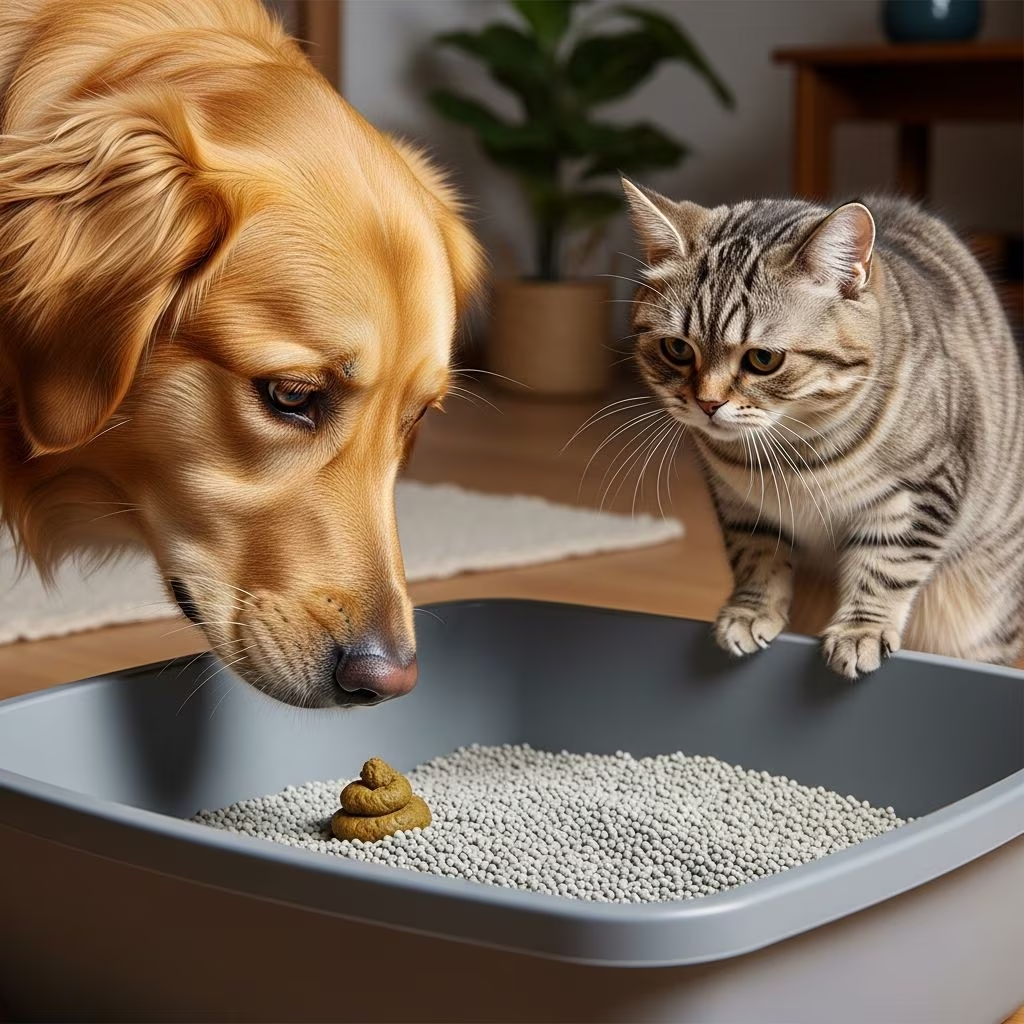
Why Does My Dog Eat Cat Poop?
If you’ve ever caught your dog sneaking a snack from the cat’s litter box, you’re not alone. This peculiar behavior, called coprophagia, is more common than many pet owners realize. While the sight of your beloved canine munching on feline waste might make your stomach turn, understanding the reasons behind this behavior is the first step toward addressing it effectively.
Understanding Coprophagia in Dogs
Coprophagia is the scientific term for eating feces, and it’s a behavior that’s rooted in a dog’s natural instincts as a scavenger. Dogs have descended from wolves and other wild canines that consumed whatever food sources were available to survive. This scavenging instinct remains strong in domestic dogs today, making them attracted to various food items, including cat poop.
The behavior is particularly common in puppies, who are naturally curious about their environment and tend to explore the world by putting things in their mouths. However, this behavior can persist into adulthood if not properly addressed or if underlying factors encourage it.
Primary Reasons Why Dogs Eat Cat Poop
The Alluring Smell
One of the most significant reasons dogs are attracted to cat poop is the smell. To a dog’s powerful nose, cat poop smells remarkably like cat food. Since cats consume diets that are significantly higher in protein and fat than dog food, their waste carries a strong, appealing odor to canines. Many dogs that wouldn’t be allowed near cat food will eagerly consume cat poop because they associate the scent with a desirable meal. As one veterinarian explains, some dogs rationalize, “If I can’t get the cat’s food on the way in, I’ll get it coming out!”
Nutritional Deficiencies
Another compelling reason dogs eat cat poop is to satisfy nutritional cravings. When a dog’s diet doesn’t meet proper nutritional standards, they may seek nutrition elsewhere. This is particularly common in dogs fed homemade diets that lack balanced nutrients. Cat poop contains fats, fiber, protein, and vitamins that dogs may be craving, especially if they’re not receiving adequate nutrition from their regular food.
Certain medical conditions can also cause nutritional deficiencies that prompt poop eating. Conditions such as exocrine pancreatic insufficiency (EPI), malabsorption disorders, and thiamine deficiency can prevent dogs from properly absorbing nutrients from their food, leading them to seek alternative sources.
Boredom and Behavioral Issues
Dogs that don’t receive sufficient exercise, mental stimulation, or attention may turn to eating cat poop as a way to entertain themselves. This self-rewarding behavior can quickly become a habit that’s difficult to break. Additionally, some dogs have learned that eating poop gets them attention from their owners, even if it’s negative attention. If your dog associates eating cat poop with getting a dramatic response from you, they may repeat the behavior to maintain that interaction.
Medical and Behavioral Conditions
Pica, a condition characterized by the persistent consumption of non-food items, may explain why some dogs eat cat poop. Pica can result from nutritional imbalances, anxiety, stress, or simply improper understanding of what is and isn’t food. Additionally, mother dogs naturally eat their puppies’ feces as part of normal maternal care, and some puppies may learn this behavior from observing their mothers.
Health Risks Associated with Eating Cat Poop
While the behavior itself might seem harmless, there are several health risks your dog faces when consuming cat poop:
- Parasites and Infections: Cat poop can contain parasites and pathogens that are harmful to dogs. Your dog may contract intestinal parasites, bacteria, or viruses by consuming feline waste.
- Litter Ingestion: When dogs eat cat poop directly from the litter box, they inevitably ingest some litter. Modern cat litter is absorbent and designed to clump when wet, which can cause inflammation and potentially life-threatening intestinal blockages in your dog’s digestive system.
- Toxicity: If the cat has ingested any toxic substances, those toxins can be present in the feces and transferred to your dog.
- Digestive Issues: The high fat and protein content of cat feces can cause digestive upset, including vomiting, diarrhea, and abdominal pain in some dogs.
How to Prevent Your Dog from Eating Cat Poop
Management Strategies
The most effective approach to preventing this behavior often involves management and environmental modification:
- Relocate the Litter Box: Place the cat’s litter box in an area that’s easily accessible to your cat but difficult for your dog to reach. Consider using a baby gate or cat door to create a cat-only space.
- Use a Covered Litter Box: Covered litter boxes make it more challenging for dogs to access the contents while still providing privacy for your cat.
- Clean More Frequently: Removing waste immediately after your cat uses the litter box eliminates the opportunity for your dog to snack.
- Provide Adequate Exercise: Ensure your dog gets sufficient daily exercise and mental stimulation to reduce boredom-related behaviors.
- Supervise Interactions: Keep your dog on a leash or under close supervision in areas where the litter box is located until the behavior is addressed.
Dietary Adjustments
If nutritional deficiency is the underlying cause, consult your veterinarian about adjusting your dog’s diet. Ensure your dog is receiving a complete and balanced diet that meets their nutritional needs. If you feed a homemade diet, work with a veterinary nutritionist to ensure it contains all necessary nutrients.
Medical Evaluation
If your dog continues eating cat poop despite management efforts, schedule a veterinary examination. Your vet can rule out underlying medical conditions such as malabsorption, pancreatic insufficiency, or other health issues that might be driving the behavior.
Behavioral Training
Training can help reduce this behavior by redirecting your dog’s attention and rewarding alternative behaviors. Use commands like “leave it” or “drop it” when you catch your dog near the litter box, and reward them generously when they comply. Positive reinforcement is more effective than punishment, as negative attention may actually reinforce the behavior.
When to Seek Professional Help
If your dog shows signs of intestinal blockage or other health complications from eating cat poop, seek immediate veterinary care. Warning signs include persistent vomiting, loss of appetite, abdominal pain, constipation, or dark, tarry stools. Additionally, if the behavior persists despite your management efforts, consult with a certified animal behaviorist or your veterinarian to develop a comprehensive treatment plan.
Frequently Asked Questions (FAQs)
Q: Is it normal for dogs to eat cat poop?
A: Yes, eating poop, or coprophagia, is a relatively common behavior in dogs due to their natural scavenging instincts. While it’s normal, it’s still something you should try to prevent due to health risks.
Q: Can eating cat poop make my dog sick?
A: Yes, eating cat poop can expose your dog to parasites, bacteria, and other pathogens. Additionally, ingesting cat litter can cause intestinal blockages. You should monitor your dog closely and seek veterinary care if they show signs of illness.
Q: How do I know if my dog has a nutritional deficiency?
A: Signs of nutritional deficiency can include dull coat, low energy, digestive issues, and unusual eating behaviors like coprophagia. A veterinary examination and possibly blood work can confirm nutritional deficiencies.
Q: Will my dog grow out of eating cat poop?
A: While puppies are more naturally curious, adult dogs can continue this behavior if it becomes a habit or if underlying medical or behavioral issues aren’t addressed. Intervention is necessary to stop the behavior.
Q: What’s the fastest way to stop my dog from eating cat poop?
A: The most effective approach combines management (relocating the litter box), ensuring proper diet and exercise, and addressing any underlying medical conditions. Consistency and patience are key.
Q: Is coprophagia a sign of a behavioral disorder?
A: Not necessarily. While it can be behavioral, coprophagia is often simply a natural instinct or the result of nutritional deficiency or medical conditions. A veterinary evaluation can help determine the cause.
References
- Why Do Dogs Eat Cat Poop & How to Stop It — MetLife Pet Insurance. Accessed January 2026. https://www.metlifepetinsurance.com/blog/pet-behavior/why-do-dogs-eat-cat-poop/
- Why Do Dogs Eat Poop? How Do I Make It Stop? — Chewy. Accessed January 2026. https://www.chewy.com/education/dog/training-and-behavior/why-do-dogs-eat-poop
- Why Your Dog Eats Cat Poop Out of the Litterbox — Veterinary Healthcare Associates. Accessed January 2026. https://vhavets.com/blog/dog-eats-cat-poop-out-of-the-litterbox/
- Why Do Dogs Eat Cat Poop? — American Kennel Club. Accessed January 2026. https://www.akc.org/expert-advice/training/why-does-my-dog-eat-cat-poop/
- Why Do Dogs Eat Cat Poop? 10 Ways to Help Them Stop — PetSafe. December 5, 2020. https://www.petsafe.com/blog/stop-your-dogs-snacking-from-the-litter-box/



