

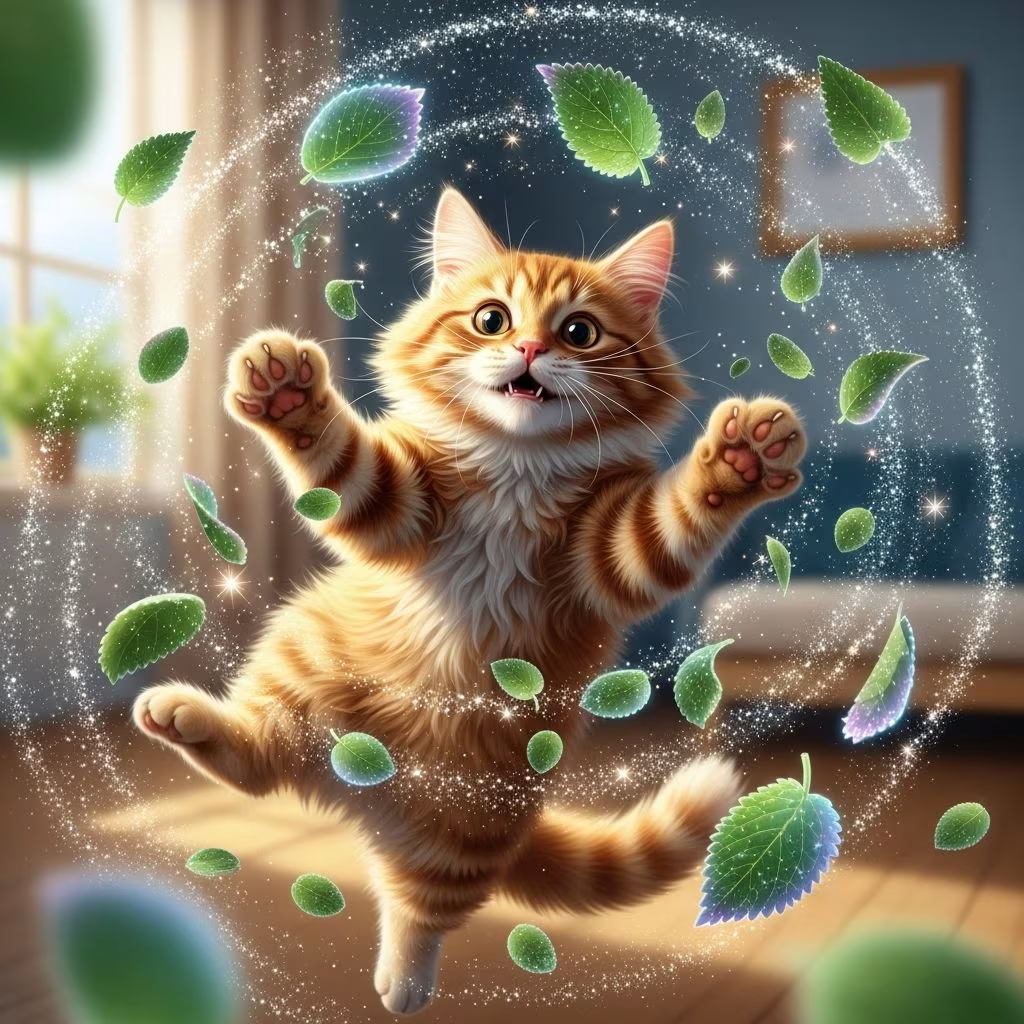
Catnip, scientifically known as Nepeta cataria, triggers intense, euphoric reactions in many cats, causing them to roll, rub, purr, and zoom around energetically. This response stems from nepetalactone, a volatile oil in the plant’s leaves and stems that binds to olfactory receptors, mimicking pheromones and activating pleasure centers in the feline brain.
What Is Catnip?
Catnip belongs to the mint family Lamiaceae and is a perennial herb native to Europe, Asia, and Africa, now widespread globally. It grows up to three feet tall with heart-shaped leaves, white flowers tinged with purple, and a distinctive minty scent. The key active compound, nepetalactone, is concentrated in the leaves, stems, and seeds, released when the plant is crushed or dried.
Humans have cultivated catnip for centuries, not just for feline amusement but also for herbal teas used to soothe digestion, reduce anxiety, and promote sleep. Its name derives from ‘catnep,’ reflecting its irresistible allure to cats.
What Does Catnip Do to Cats?
When cats encounter catnip, they inhale nepetalactone, which enters the nasal cavity and binds to receptors there. This stimulates the vomeronasal organ (Jacobson’s organ) in the roof of the mouth, a specialized scent pathway that relays signals to the brain’s olfactory bulb, hypothalamus, and amygdala—regions governing emotion, hunting instincts, and pleasure.
Typical reactions include:
- Rolling and rubbing the head and body against the catnip source.
- Purring, drooling, and excessive meowing or yowling.
- Hyperactivity like chasing imaginary prey, batting paws, or ‘zoomies.’
- Playful aggression or lethargy in some cats.
These behaviors resemble euphoria, with elevated beta-endorphin levels activating the opioid system, similar to mild morphine effects in humans but without disorientation or addiction. Effects peak within minutes and last 5-15 minutes, followed by a 30-60 minute refractory period where cats become temporarily immune.
How Does Catnip Affect a Cat’s Brain?
Nepetalactone mimics feline pheromones, tricking the brain into a state of bliss. Signals travel from nasal receptors to the olfactory bulb, then to emotional centers. Research shows iridoids like nepetalactone and nepetalactol (from silver vine) boost endorphins, confirmed by blocked opioid receptors preventing responses.
In fMRI-like studies, though challenging due to cats’ restlessness, nepetalactone targets hunting and play-related brain areas. Ingestion versus inhalation yields different responses: smelling triggers euphoria via the main olfactory system, while eating stimulates the vomeronasal organ for milder effects.
A 2021 study tested feral cats, leopards, lynxes, and jaguars, all rubbing nepetalactol patches for ~10 minutes, proving broad feline sensitivity. Dogs and mice showed no reaction, highlighting species specificity.
Not All Cats Respond to Catnip
About 70-80% of adult cats react to catnip; kittens under 6-8 weeks and ~20-30% of adults are unaffected due to genetics. Sensitivity is autosomal dominant: if neither parent responds, kittens won’t; one responder parent yields ~50% responsive offspring.
Table of Genetic Inheritance:
| Parents’ Response | Kitten Response Probability |
|---|---|
| Both non-responders | 0% responsive |
| One responder, one non | 50% responsive |
| Both responders | 75% responsive |
Breed differences exist minimally, but feral cats may show varied intensities. Tolerance builds with frequent exposure, but resets after days.
How Much Catnip Can You Give Your Cat?
Catnip is safe in moderation; 1-2 teaspoons sprinkled on toys or scratches weekly prevents tolerance. Overuse dulls effects, so rotate with toys. Dried catnip lasts longer than fresh; store airtight to preserve oils.
Spraying diluted catnip tincture or using infused toys extends sessions. Start small to gauge reaction—some cats prefer subtle scents.
Is Catnip Safe for Cats?
Yes, catnip poses no toxicity risk; overdoses cause at most temporary hyperactivity or mild GI upset from overeating. It’s non-addictive, with no withdrawal. Veterinary sources confirm safety for all ages, though unresponsive cats may ignore it.
Avoid synthetic catnip lacking pure nepetalactone. Monitor for rare allergies like vomiting.
Alternatives to Catnip
- Silver Vine (Actinidia polygama): Contains potent nepetalactol; 80-90% of catnip-nonresponders react. Stronger euphoria.
- Valerian Root: Earthy scent triggers similar rolling and zoomies via actinidine.
- Tatarian Honeysuckle: Wood shavings with iridoids for rubbing.
- Chamomile or Lavender: Milder calming effects for some.
These activate similar receptors; test individually as responses vary.
Fun Facts About Catnip
- Nepetalactone repels mosquitoes—cats rubbing it gain natural protection, halving bites in studies.
- Lions, tigers, and bobcats respond; domestic cats inherited sensitivity from wild ancestors.
- Catnip was used in medieval Europe as a pest repellent and folk medicine.
- Brands vary in potency; organic or high-nepetalactone types elicit stronger responses.
- Effects wane with age in some cats, but most retain lifelong sensitivity.
Frequently Asked Questions (FAQs)
What is catnip, and why do cats like it?
Catnip is a mint-family herb with nepetalactone, which binds nasal receptors to trigger pheromone-like euphoria.
Does catnip get cats high?
It induces bliss via endorphins, mimicking a mild ‘high’ without true intoxication—no wobbling or vomiting.
How long does a catnip high last?
5-15 minutes, followed by 30-60 minutes immunity.
Why don’t some cats react to catnip?
Genetic trait; 20-30% lack receptors, kittens develop sensitivity post-6 weeks.
Can you give a kitten catnip?
Kittens under 6 weeks ignore it; safe afterward in small amounts.
Is catnip addictive?
No, non-habit-forming despite enthusiastic responses.
References
- What Is Catnip and What Does It Do to Cats? — PetMD. 2023. https://www.petmd.com/cat/general-health/what-is-catnip
- Catnip and Its Effect on Cats, Dogs and Humans — Promega Connections. 2018-10-31. https://www.promegaconnections.com/catnip-and-its-effect-on-cats-dogs-and-humans/
- Why cats are crazy for catnip — Science | AAAS. 2021-12-01. https://www.science.org/content/article/why-cats-are-crazy-catnip
- Why do cats love catnip? — Cabbagetown Pet Clinic. 2023-09-01. https://www.cabbagetownpetclinic.com/blog/september-2023/why-do-cats-love-catnip
- Behavioral differences among domestic cats in the response to… — NIH (PMC). 2022. https://pmc.ncbi.nlm.nih.gov/articles/PMC9414117/



