

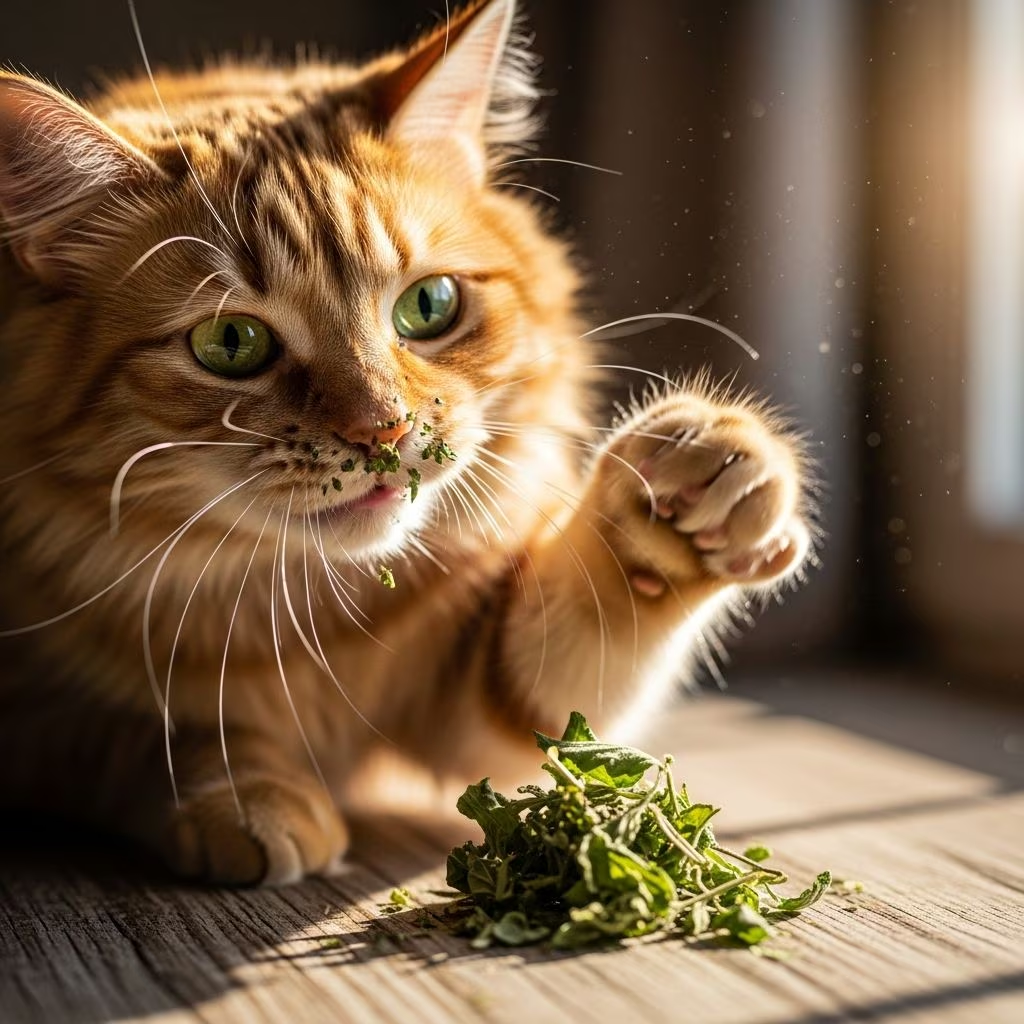
Catnip, scientifically known as Nepeta cataria, triggers intense and often hilarious reactions in many cats, from frenzied rolling and rubbing to bursts of hyperactivity or sudden relaxation. This herb from the mint family contains nepetalactone, a volatile oil that binds to feline olfactory receptors, mimicking pheromones and stimulating brain regions linked to play, hunting, and euphoria.
What Is Catnip?
Catnip is a perennial herb native to Europe, Asia, and parts of Africa, now widely grown in North America. It features fuzzy gray-green leaves and clusters of small white or lavender flowers. While humans have used it for centuries in teas to soothe digestion and anxiety, its fame stems from its profound impact on cats. The plant’s stems and leaves produce nepetalactone, concentrated in higher amounts when dried, making commercial catnip toys potent attractants.
Growing catnip is straightforward for pet owners; it thrives in sunny spots with well-drained soil. Fresh leaves are milder than dried ones, which intensify the scent over time. Importantly, catnip is non-addictive and safe, offering enrichment without long-term dependency.
The Science Behind Catnip’s Effects
Nepetalactone enters the cat’s nasal passages and activates the vomeronasal organ (VNO), or Jacobson’s organ, located in the roof of the mouth. This accessory olfactory system detects pheromones, bypassing standard smell pathways to directly influence the brain’s limbic system—the hub for emotions, memory, and behavior. Signals travel to the olfactory bulb, then to areas controlling hunting instincts, sexual behavior, and pleasure centers, eliciting responses without ingestion.
Research indicates nepetalactone structurally resembles feline facial pheromones, fooling the brain into a state of bliss. Effects peak within minutes of exposure and last 5-15 minutes, followed by a 30-60 minute refractory period where cats ignore it. Unlike true narcotics, it doesn’t cause disorientation or toxicity at normal doses.
How Does Catnip Affect Cats?
Reactions vary widely: responsive cats may exhibit hyperactivity like zoomies, playful pouncing, or batting at imaginary prey; others roll, rub their cheeks, purr vociferously, drool, or vocalize with meows and chirps. Some become sedated, stretching languidly or zoning out. These mimic natural behaviors—rubbing spreads scent glands, rolling simulates submission in mating or territory marking.
- Hyperactive responses: Darting, flipping, pawing—linked to hunting simulations.
- Affiliative behaviors: Head-butting, purring, kneading for comfort.
- Sedative effects: Relaxed lying, half-closed eyes indicating contentment.
Duration depends on concentration; fresh catnip elicits milder effects than dried. Peer-reviewed studies confirm consistent individual patterns, with some cats shaking heads or rolling dynamically.
Not All Cats Respond to Catnip
Genetic inheritance dominates sensitivity: about 60-70% of cats react, inheriting a dominant allele. Kittens under 6-8 weeks and seniors often ignore it, as do big cats like lions (50% response) but not tigers. Non-responders show no behavioral shift, possibly due to VNO variations or prior desensitization.
Individual consistency holds; a cat’s response profile—e.g., frequent rolling vs. vocalizing—remains stable across exposures. Brand differences in nepetalactone potency can influence intensity, as seen in comparative tests.
Is Catnip Safe for Cats?
Yes, catnip poses minimal risks. Cats can’t overdose, but excess (over 1 tablespoon) may cause mild vomiting, diarrhea, or wobbliness from over-stimulation. Eating small amounts aids digestion, echoing its human antidiarrheal use. Avoid concentrated oils, as they’re too potent.
| Dosage | Form | Safety Notes |
|---|---|---|
| 1 tsp – 1 tbsp | Dried | Safe for toys/sprinkling; effects last 10-15 min. |
| Small pinch | Fresh | Milder; use sparingly indoors. |
| Avoid | Oils/Extracts | Too concentrated; risk of upset. |
Veterinarians endorse moderation, consulting for anxious or health-compromised cats.
Benefits of Catnip for Cats
Beyond fun, catnip enriches environments, reducing boredom and stress. It alleviates separation anxiety during absences, distracts from furniture scratching, and eases vet visits or travel. For pain relief or appetite stimulation in seniors, it promotes gentle activity. Studies note its role in mental stimulation, preventing obesity via play.
- Stress reduction: Calms during alone time.
- Enrichment: Encourages exercise and exploration.
- Training aid: Lures to carriers or scratch posts.
Alternatives to Catnip
For non-responders, try silvervine (Actinidia polygama), valerian root, or tatarian honeysuckle. Silvervine elicits longer responses in some, with similar rolling and rubbing. These contain actinidine or analogs triggering the VNO. Test sparingly to find preferences.
- Silvervine: Stronger, woody scent; 80% response rate.
- Valerian: Calming; aids digestion.
- Honeysuckle: Mild euphoria without hyperactivity.
Catnip Products and Toys
Popular items include stuffed mice, kickers, and wand toys infused with catnip. Rotate to maintain novelty during refractory periods. Sprays refresh old toys safely. Grow-your-own kits offer fresh supply control.
Frequently Asked Questions (FAQs)
Does catnip make cats high?
Catnip induces euphoria via nepetalactone, causing playfulness or relaxation, but lacks true hallucinogenic effects like dilated pupils or vomiting seen in narcotics.
Can cats eat catnip?
Yes, small amounts are safe and may aid digestion, but limit to prevent upset.
How long does a catnip high last?
Typically 5-15 minutes, with 30-60 minutes immunity after.
Why doesn’t my cat react to catnip?
30-40% lack the gene; try alternatives like silvervine.
Is catnip addictive?
No, cats self-regulate without dependency.
References
- What Is Catnip and What Does It Do to Cats? — PetMD. 2023. https://www.petmd.com/cat/general-health/what-is-catnip
- Feline Fine: The Benefits of Catnip — Texas A&M University College of Veterinary Medicine & Biomedical Sciences. 2022. https://vetmed.tamu.edu/news/pet-talk/feline-fine-the-benefits-of-catnip/
- Catnip and Its Effect on Cats, Dogs and Humans — Promega Connections. 2019. https://www.promegaconnections.com/catnip-and-its-effect-on-cats-dogs-and-humans/
- Why do cats love catnip? — Cabbagetown Pet Clinic. 2023-09-01. https://www.cabbagetownpetclinic.com/blog/september-2023/why-do-cats-love-catnip
- Behavioral differences among domestic cats in the response to plant volatiles — PMC/NIH (Peer-reviewed). 2022. https://pmc.ncbi.nlm.nih.gov/articles/PMC9414117/
- The Psychology of Catnip: Why Some Cats Go Crazy and Others Don’t Care — Pettsie. 2023. https://www.pettsie.com/blogs/blog/the-psychology-of-catnip-why-some-cats-go-crazy-and-others-don-t-care



