

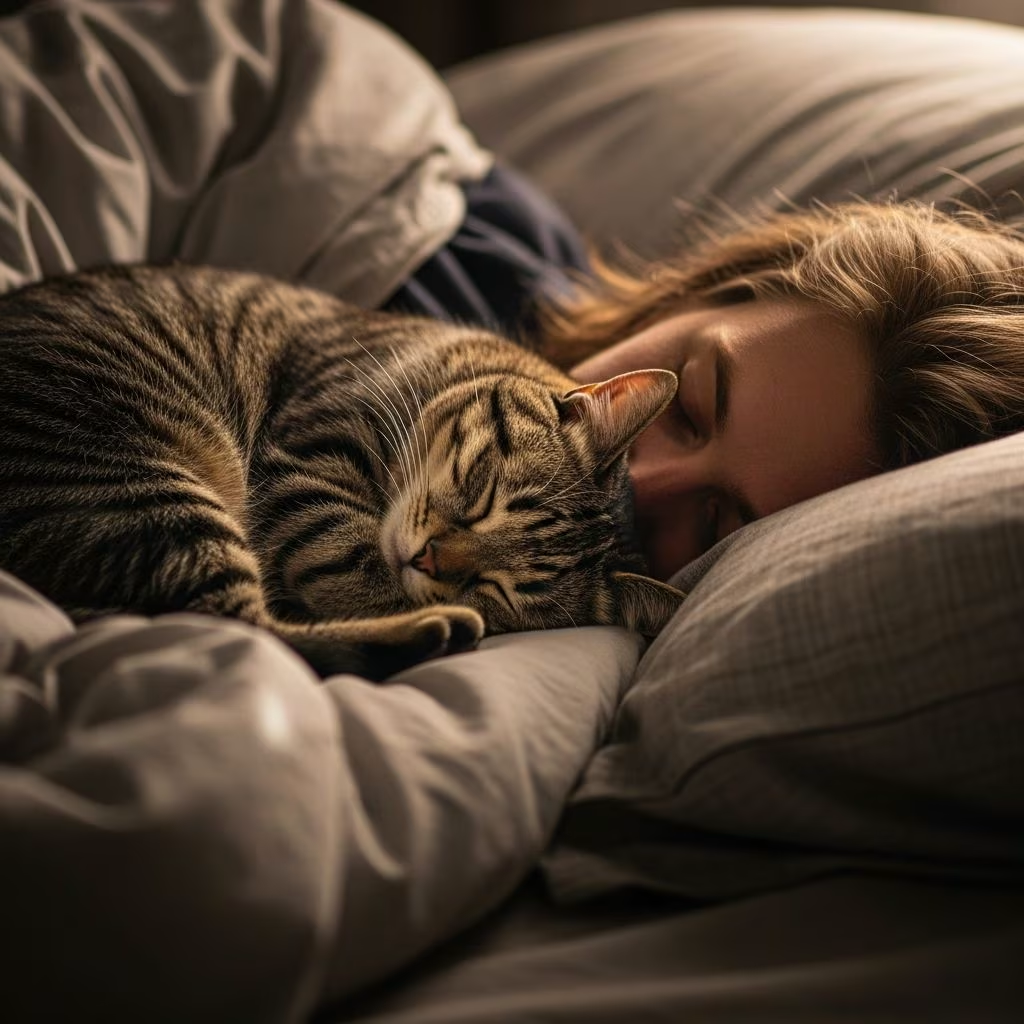
Your cat curling up by your head at night is a common and endearing behavior that many pet owners experience. This habit often stems from a combination of instinctual needs, comfort-seeking, and strong emotional bonds. Cats are crepuscular animals, meaning they are most active at dawn and dusk, but they sleep up to 16 hours a day in short bursts. Choosing your head as a sleeping spot provides them with warmth, security, and proximity to their favorite human.
Understanding this behavior helps strengthen your relationship with your feline friend. In this comprehensive guide, we’ll explore the science behind it, common sleeping positions, potential health concerns, benefits and drawbacks, and expert tips for managing it. Whether it’s a sign of love or a quest for heat, your cat’s choice reflects deep trust.
Normal Cat Sleeping Positions
Cats exhibit a variety of sleeping positions that reveal their comfort level, temperature regulation needs, and sense of safety. Recognizing these helps distinguish normal habits from potential issues like head pressing.
- Curled in a Ball (The Crescent): Cats tuck their nose to tail to conserve body heat and protect vital organs. This defensive posture is common in cooler environments or when feeling uncertain.
- Side Sleeping: Legs outstretched indicate deep REM sleep with relaxed muscles. Twitching paws suggest dream-chasing, signaling contentment and security.
- On Their Back: Belly exposed shows ultimate trust, as this vulnerable position means they feel safe. Avoid rubbing the belly, as it may trigger defensive reactions.
- Loaf Shape: Front paws tucked under like bread preserves heat while staying alert for quick action.
- Superman Pose: Belly down with legs stretched protects the abdomen while allowing rapid movement. Ideal on warm surfaces for cooling.
Many of these positions, especially curling near the head, mimic head-pressing but are normal for heat retention and relaxation. Cats may cover eyes with paws to block light, further aiding sleep.
Why Your Cat Loves Sleeping by Your Head
Several instinctual and behavioral factors draw cats to your head. Your pillow offers a soft, stable, warm spot elevated above tossing limbs.
1. Seeking Warmth
Cats maintain a core temperature of about 102°F, higher than humans, so they seek external heat sources. Your head, often uncovered by blankets, radiates steady warmth like a personal heater. This is especially appealing in cooler months or on your pillow’s soft surface.
2. Trust and Security
As both predators and prey, cats sleep cautiously. Positioning by your head places them near their trusted protector—you. This spot feels safest, allowing deep relaxation. It’s a sign you’ve become part of their ‘safe space’.
3. Affection and Bonding
Sleeping close expresses love through proximity. Cats bond via scent glands on cheeks, rubbing or sleeping near you to mark territory and affirm ‘You’re my person.’ This vulnerability during sleep underscores profound attachment.
4. Monitoring You
By your head, cats easily detect movements if you stir, following or waking you with a paw or lick. It keeps tabs on their human companion.
5. Comfort and Scent
Your head’s minimal movement and familiar scent make it ideal. Some cats head-press cheeks to release pheromones, marking the spot.
Is Head Pressing While Sleeping Normal?
Head pressing—pressing the head against surfaces—can look alarming but is often normal when sleeping. Cats do this to mark territory with cheek glands or retain heat by curling tightly. True pathological head pressing involves standing and pressing against walls persistently, indicating neurological issues like liver disease, toxins, or infections. Consult a vet if accompanied by disorientation, seizures, or appetite loss. Normal sleeping head-pressing resembles curling with chin on chest or paws over face for warmth.
Benefits of Letting Your Cat Sleep by Your Head
This habit offers mutual perks, enhancing your bond.
- Strengthens Bond: Proximity boosts oxytocin, fostering attachment for both.
- Reduces Anxiety: Provides security, easing stress or separation issues.
- Purring Therapy: Vibrations soothe, lowering blood pressure.
- Warmth for Cat: Helps maintain ideal temperature efficiently.
Potential Drawbacks and How to Manage
While adorable, it can disrupt sleep.
| Drawback | Solution |
|---|---|
| Allergies or asthma triggered by dander | Use allergen sheets; provide alternative bed |
| Overheating from shared body heat | Lower room temp; use fan |
| Disrupted sleep from movement | Train with separate bed nearby |
| Shedding on pillow | Pillow protectors; groom regularly |
To redirect: Place a heated bed by your feet, use pheromone diffusers for security, or play before bed to tire them. Consistency is key—reward use of new spot.
Other Common Cat Sleeping Spots and Meanings
- On Chest: Purring heartbeat mimics mother; ultimate trust.
- Feet: Marks territory; playful guarding.
- Laptop: Warmth from device.
- High Perches: Security overview.
Cats sleep with eyes half-open via unihemispheric sleep, keeping one brain hemisphere alert.
Frequently Asked Questions (FAQs)
Is it bad if my cat sleeps on my head?
No, it’s usually a sign of trust and affection. Monitor for excessive pressing or other symptoms.
Why does my cat sleep on my pillow but not my partner’s?
You may smell more familiar or provide better warmth/security.
Can I train my cat to sleep elsewhere?
Yes, with a cozy alternative, routines, and positive reinforcement.
Does sleeping by my head mean my cat is sick?
Rarely; normal unless with lethargy or odd pressing.
How much do cats sleep?
12-16 hours daily, more for kittens/seniors.
Expert Insights on Feline Sleep
Dr. Mickey Moppin, DVM, notes: ‘When a cat chooses your head, it’s expressing security and familiarity—you’re their safe space’. PetMD experts affirm trust in vulnerability during sleep.
In summary, your cat’s head-sleeping habit blends biology, emotion, and instinct. Cherish it as a compliment while addressing disruptions. For concerns, vet checkups ensure health.
References
- What Causes Cat Head Pressing? – PetPlace.com — PetPlace. Accessed 2026. https://www.petplace.com/article/cats/pet-health/cat-health/cat-head-pressing-while-sleeping-what-does-it-mean
- Why Does My Cat Sleep by My Head? – TelaVets Blog — TelaVets (Dr. Mickey Moppin, DVM). Accessed 2026. https://www.telavets.com/blog/cat-sleep-on-my-head
- What Do Cat Sleeping Positions Mean for Trust and Comfort? — LadyNPet. Accessed 2026. https://ladynpet.com/us/blog/cat-sleeping-positions-meaning/
- Why Does My Cat Sleep on My Head? – PetMD — PetMD. Accessed 2026. https://www.petmd.com/cat/behavior/why-does-my-cat-sleep-on-my-head
- 20 Cat Sleeping Positions and What They Mean – PetMD — PetMD. Accessed 2026. https://www.petmd.com/cat/general-health/cat-sleeping-positions-and-what-they-mean
- Why Does My Cat Sleep by My Head? – HowStuffWorks — HowStuffWorks. Accessed 2026. https://animals.howstuffworks.com/pets/why-does-my-cat-sleep-by-my-head.htm



