

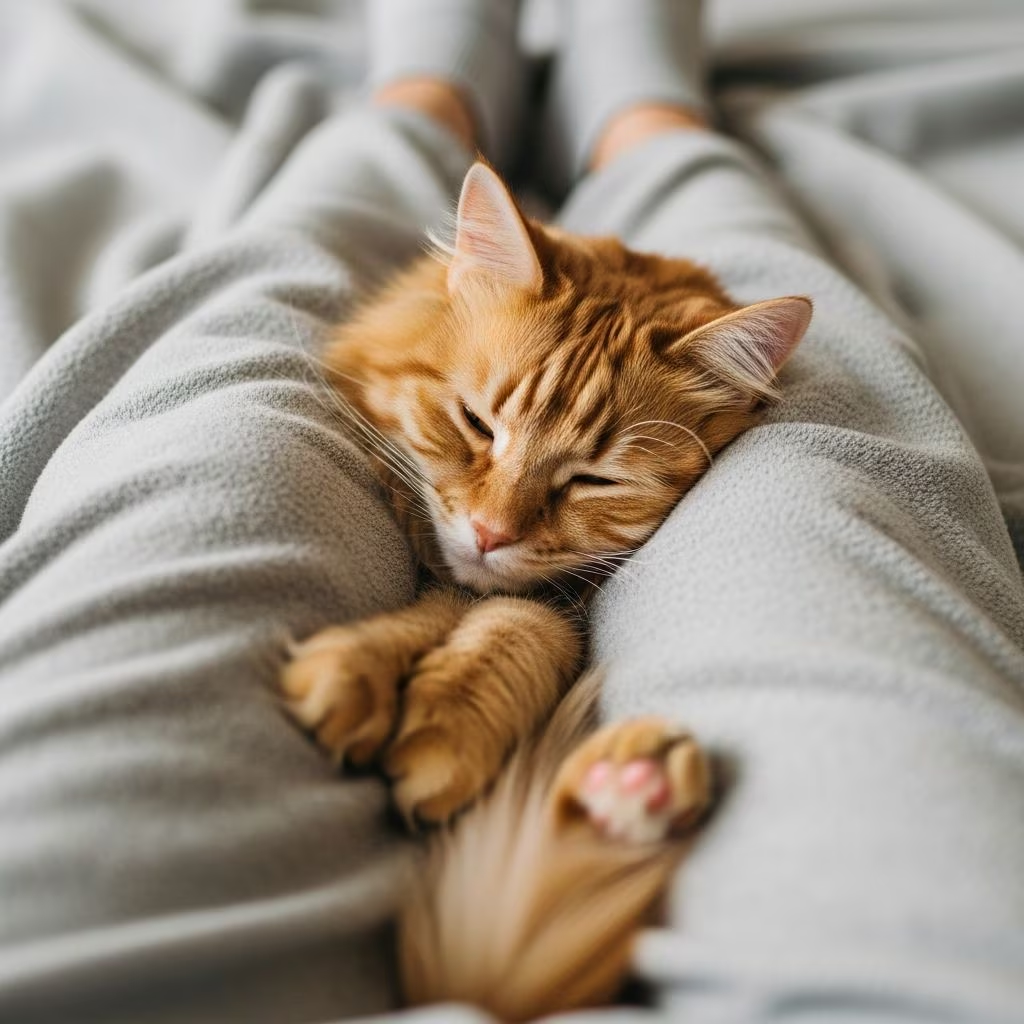
Your cat curling up between your legs at night is a common and endearing behavior that many feline owners experience. This cozy habit isn’t random—it’s driven by a mix of instinctual needs, emotional bonds, and practical comforts. Cats are descendants of wild predators, yet domesticated felines retain behaviors that prioritize safety, warmth, and connection. Understanding why your cat chooses this specific spot can deepen your appreciation for their trust in you and help you respond appropriately to their needs.
In this comprehensive guide, we’ll explore the primary reasons behind this behavior, delve into cat sleeping positions, discuss what to do if it’s disruptive, and highlight when it might signal a health concern. Whether it’s a nightly ritual or a sudden change, these insights will help you decode your cat’s actions.
Top Reasons Why Cats Sleep Between Your Legs
Cats exhibit this behavior for several interconnected reasons, all rooted in their natural instincts and your relationship. Here’s a breakdown of the most common explanations:
- Warmth and Comfort: Cats have a higher body temperature than humans (around 100.5–102.5°F or 38–39.1°C), but they still seek extra heat, especially at night when ambient temperatures drop. Your legs provide a perfect heat source, sandwiching them in warmth from both sides. This mimics the cozy nest of their mother during kittenhood, making it an ideal spot for relaxation.
- Security and Protection: In the wild, cats seek enclosed spaces like caves or burrows to sleep safely from predators. The space between your legs offers a similar sense of enclosure—protected on multiple sides while allowing a quick escape if needed. This position lets them feel vigilant yet vulnerable in a good way, trusting you as their guardian.
- Territory Marking: Cats are highly territorial and use scent glands on their cheeks, paws, and flanks to mark ‘theirs.’ By rubbing against your legs before settling in, they claim you as part of their territory. This strengthens their bond with you and warns other pets to steer clear, explaining why one cat might defend this spot from siblings.
- Bonding and Affection: Sleeping close is a sign of deep trust and love. Cats that curl up with you are essentially saying you’re family. This mirrors how littermates snuggle for warmth and social bonding. If your cat chooses your legs over other spots, it’s a compliment—they feel safest with you.
- Attention-Seeking: Cats crave interaction on their terms. Positioning between your legs ensures you’re aware of their presence, potentially leading to pets or play. It can also stem from jealousy if they notice you giving attention elsewhere, like to kids or other pets.
- Routine and Habit: Once a cat finds a comfortable spot, they stick to it. If they’ve slept there a few nights, it becomes their routine ‘den,’ reinforced by positive associations like your scent and body heat.
Understanding Cat Sleeping Positions
Cats sleep 12–16 hours a day, cycling through various positions that reveal their mood, health, and comfort level. Sleeping between legs fits into their repertoire of secure poses. Here’s a table summarizing key positions and meanings:
| Position | Description | Meaning |
|---|---|---|
| Curled Up (Loaf) | Paws tucked under body, tail wrapped around. | Conserving warmth, feeling secure; common for light naps. |
| Belly Up | On back, belly exposed. | Total relaxation and trust; vulnerable pose around safe people. |
| Between Legs | Nestled snugly between owner’s legs. | Seeking warmth, security, and bonding; ideal for deep sleep. |
| Side Sleeping | On side with legs extended. | Relaxed but alert; comfortable environment. |
| Sphinx | Sitting upright, paws forward like Egyptian statue. | Resting while observing; semi-alert state. |
These positions help cats regulate temperature and respond to threats. The between-legs spot combines elements of curling and side sleeping for optimal coziness.
Why Under the Covers?
Many cats don’t just sleep between legs—they burrow under blankets too. This amplifies security by creating a dark, enclosed ‘cave’ that blocks light and muffles sounds. The added layer traps your body heat, simulating a den. It’s especially common in winter or for anxious cats, providing sensory comfort akin to being buried in litter or foliage in the wild.
What If You Don’t Want Your Cat Sleeping There?
This habit is adorable but can cramp your style—literally. If it’s causing leg cramps, sleep disruptions, or allergies flare-ups, try these gentle solutions:
- Provide alternatives: A heated cat bed near your feet mimics the warmth without contact.
- Establish routine: Play vigorously before bed to tire them out, then direct to their own spot with treats.
- Gentle redirection: When they approach, pet them briefly then move them to a cozy blanket beside you.
- Consistency: Cats thrive on habits; persist for 1–2 weeks to retrain.
- Comfort upgrades: Use pheromone diffusers or soft tunnels to make other areas appealing.
Avoid punishment—it erodes trust. Most cats adapt if you make alternatives equally inviting.
When Should You Worry?
Usually harmless, but sudden onset or changes warrant attention. Consult a vet if:
- Your cat sleeps excessively (over 18 hours/day) or seems lethargic.
- They vocalize in pain, hide more, or eat less.
- Behavior shifts abruptly, possibly indicating illness, stress, or pain (cats hide symptoms well).
- Accompanied by symptoms like vomiting, diarrhea, or limping.
Early vet checks can rule out issues like arthritis, hyperthyroidism, or anxiety.
Frequently Asked Questions (FAQs)
Is it normal for my cat to sleep between my legs every night?
Yes, it’s very normal and a sign of trust, warmth-seeking, and bonding. Many cats do this routinely.
Why does my cat only sleep between my legs and not my partner’s?
They may bond more with you, find your body heat/scent preferable, or see you as the primary ‘territory.’
Should I let my cat sleep under the covers between my legs?
If it doesn’t bother you, yes—it’s safe and comforting. Ensure good ventilation and monitor for overheating.
What if my cat suddenly started doing this?
Check for changes like colder weather or stress. If persistent with other symptoms, see a vet.
Can multiple cats sleep between my legs?
Possibly, but territory disputes may arise. They might take turns or pile on for warmth.
Enhancing Your Bond Through Sleep Habits
Embrace this quirk to strengthen your relationship. Respond to their cues with gentle pets or soft talk upon waking. Create a bedtime ritual: dim lights, playtime, then settle together. This reinforces security and love, making your legs (or nearby bed) their forever favorite.
Observing sleep patterns offers a window into your cat’s world—warmth, safety, and you are at the heart of it.
References
- 20 Cat Sleeping Positions and What They Mean — PetMD. 2023-05-15. https://www.petmd.com/cat/general-health/cat-sleeping-positions-and-what-they-mean
- Why Does My Cat Sleep Between My Legs? 5 Reasons — Catster. 2024-02-20. https://www.catster.com/cat-behavior/why-does-my-cat-sleep-between-my-legs/
- Cat Sleeping Positions And What They Mean — The Comforted Kitty. 2023-11-10. https://comfortedkitty.com/cat-sleeping-positions-meaning/
- Why Does My Cat Lay And Sleep Between My Legs? — Cats.com. 2024-01-05. https://cats.com/why-does-my-cat-lay-and-sleep-between-my-legs
- Top 8 Reasons Why Does My Cat Sleep Between My Legs? — WOpet. 2023-08-12. https://wopet.com/cats/reasons-why-does-my-cat-sleep-between-my-legs/



