

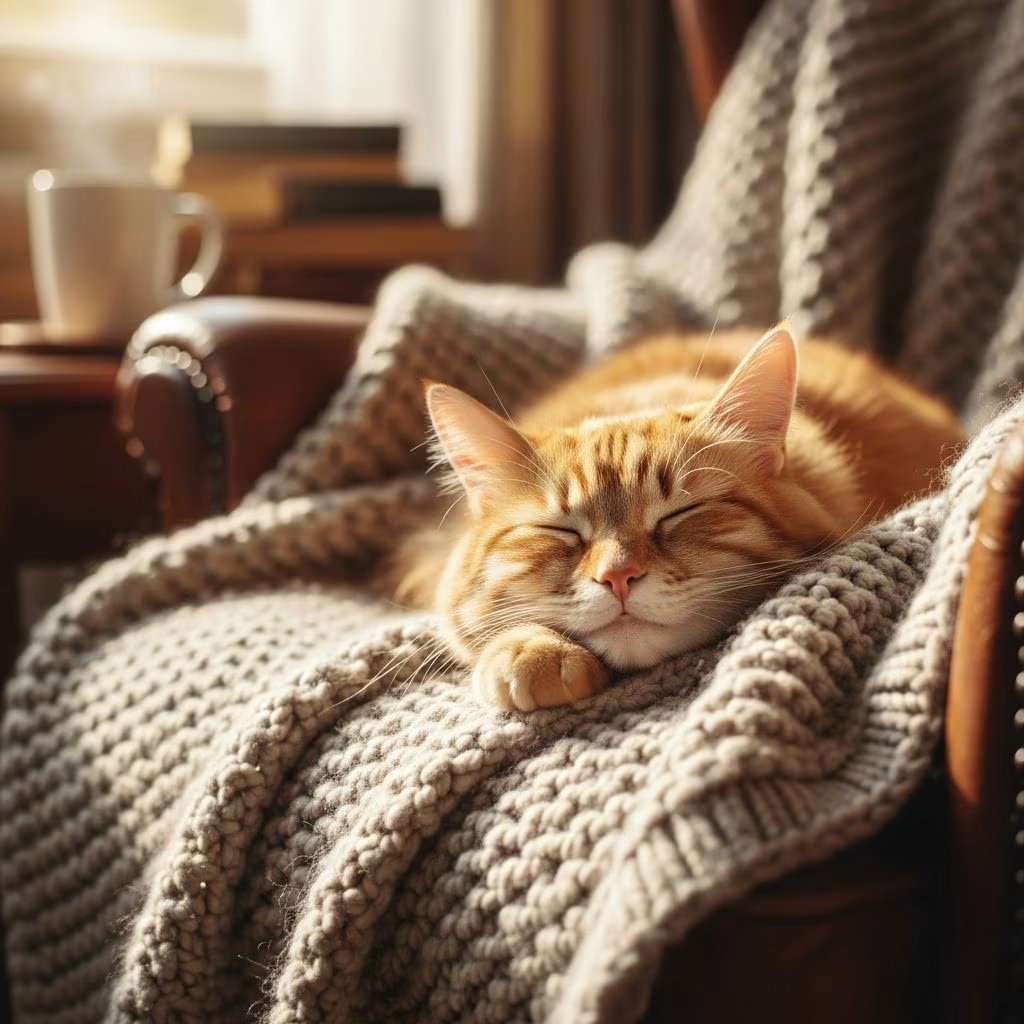
Cats often purr while sleeping due to a combination of contentment, self-soothing instincts, and therapeutic vibrations that promote healing and relaxation. This behavior stems from neural mechanisms in the brain that activate purring involuntarily during rest.
How Do Cats Purr?
The purring mechanism originates from a neural oscillator in the cat’s brain that sends signals to the laryngeal muscles, causing them to contract at frequencies between 25 and 150 Hz. This twitching builds air pressure in the windpipe, producing the characteristic rumble on both inhalation and exhalation.
Recent veterinary research from Texas A&M University identifies specialized fatty pads in domestic cats’ vocal cords that enable these low-frequency vibrations, typically seen in larger animals. A brain signal presses the vocal cords together, allowing airflow through the larynx to create passive vibrations.
Unlike meowing, which requires active control, purring is largely automatic, explaining why it persists during sleep when conscious effort is minimal.
Why Do Cats Purr When Asleep?
When cats purr during sleep, it primarily signals deep relaxation and contentment, as they feel safe in their environment. Studies show purring increases during pleasant states like lying in warm spots or after meals, reinforcing a cycle of calm.
This involuntary purr acts like a natural lullaby, similar to white noise aiding human sleep, helping maintain low stress levels throughout rest.
- Contentment Indicator: Sleep purring often accompanies relaxed body language, such as loose limbs and slow breathing, confirming a positive emotional state.
- Habitual Response: Kittens purr from birth to bond with mothers, and this persists into adulthood as an automatic comfort mechanism during vulnerability like sleep.
Other Reasons Cats Purr Besides Happiness
While sleep purring usually denotes happiness, cats purr for multiple reasons beyond contentment. Veterinarian Wailani Sung notes purring serves as a coping mechanism during anxiety, such as at the vet, to self-soothe.
In distress or injury, cats purr to alleviate pain and promote healing, with frequencies proven therapeutic for bone growth and tissue repair.
| Reason | Description | Examples |
|---|---|---|
| Self-Soothing | Vibrations calm stress responses automatically. | Post-vet visits, new environments. |
| Healing | 25-100 Hz frequencies aid wound recovery and reduce swelling. | Injured or ill cats purring more. |
| Communication | Signals needs to mothers, owners, or kittens. | Kittens guiding mothers; solicitation purrs. |
Do Cats Purr in Their Sleep Only When Happy?
No, cats do not purr in sleep exclusively when happy; it can also occur during recovery from illness or minor discomfort as a self-reassuring mechanism. However, during deep sleep with purrs, happiness or security is most common, distinguished by overall relaxed posture.
Experts like Dr. Lauren Finka from International Cat Care observe purrs varying by context—urgent for needs, soothing for calm—but sleep contexts lean toward positive states unless injury is evident.
The Science Behind Cat Purring Frequencies
Cat purrs range from 20-150 Hz, overlapping with therapeutic vibration frequencies (25-100 Hz) used in medical treatments for bone density, pain relief, and inflammation reduction. Virginia Beach Veterinary Hospital research links this to faster wound healing in cats.
A study in the New Zealand Veterinary Journal found similar low-intensity vibrations promote granulation tissue growth in wounds, suggesting evolutionary benefits for cats’ resilience.
Human benefits include lowered blood pressure and stress reduction from exposure to purring, with University of Missouri research showing cat ownership cuts heart attack risk by 40%, partly due to these vibrations.
Why Do Cats Purr: 5 Scientific Reasons
- Contentment: Purring reinforces relaxation during secure moments, frequent in sleep or petting sessions.
- Self-Soothing: Automatic stress relief in tense situations, extending to sleep for comfort.
- Mother-Kitten Bonding: Kittens purr blindly to locate mothers; adults retain this for reassurance.
- Solicitation: ‘Food purrs’ embed baby-cry frequencies to urge feeding, per University of Sussex studies.
- Healing Promotion: Vibrations aid physical recovery, observed in injured cats.
Cat Purring While Sleeping: What It Means for Health
Consistent sleep purring generally indicates good health and low stress. Increased intensity during illness suggests self-healing efforts, warranting veterinary checks if accompanied by lethargy or appetite loss.
The therapeutic frequencies may prevent frailty in feral cats, explaining their toughness despite rough lifestyles.
Frequently Asked Questions (FAQs)
Why does my cat purr when asleep?
Your cat purrs when asleep primarily from contentment and security, with the brain’s neural oscillator triggering automatic vibrations for relaxation.
Is purring during sleep always a sign of happiness?
Not always; it can also self-soothe during minor discomfort or healing, though happy contexts dominate.
Can cat purring help with human health?
Yes, 25-150 Hz vibrations lower stress, blood pressure, and aid sleep, contributing to reduced heart risks.
How do cats produce purrs mechanically?
Laryngeal muscle contractions at 25-150 Hz create airflow vibrations via brain signals.
Do all cats purr the same way?
Purrs vary by context—contentment is steady, solicitation includes high-frequency cries mimicking babies.
Conclusion
Cat purring during sleep reveals a multifaceted behavior blending joy, healing, and instinct, powered by precise biological mechanisms. Understanding this enhances bonds with feline companions.
References
- The Science Behind Cats Purring — Bulldog Bugle. 2023-10-15. https://bulldogbugle.com/29114/entertainment/the-science-behind-cats-purring/
- The Science Behind the Purr — The Refined Feline. 2024-05-20. https://www.therefinedfeline.com/the-science-behind-the-purr/
- Why Do Cats Purr? — BBC Science Focus. 2023-08-12. https://www.sciencefocus.com/nature/why-do-cats-purr
- Why Do Cats Purr? 5 Scientific Reasons — Ultimate Kilimanjaro. 2024-02-28. https://www.ultimatekilimanjaro.com/why-do-cats-purr-5-scientific-reasons/
- Decoding the Science Behind a Cat’s Purr — Cloverleaf. 2023-11-05. https://cloverleaf.org/decoding-the-science-behind-a-cats-purr/
- Why Do Cats Purr When They Sleep? A Vet Explains — Cats.com. 2024-07-10. https://cats.com/why-do-cats-purr-when-they-sleep



