

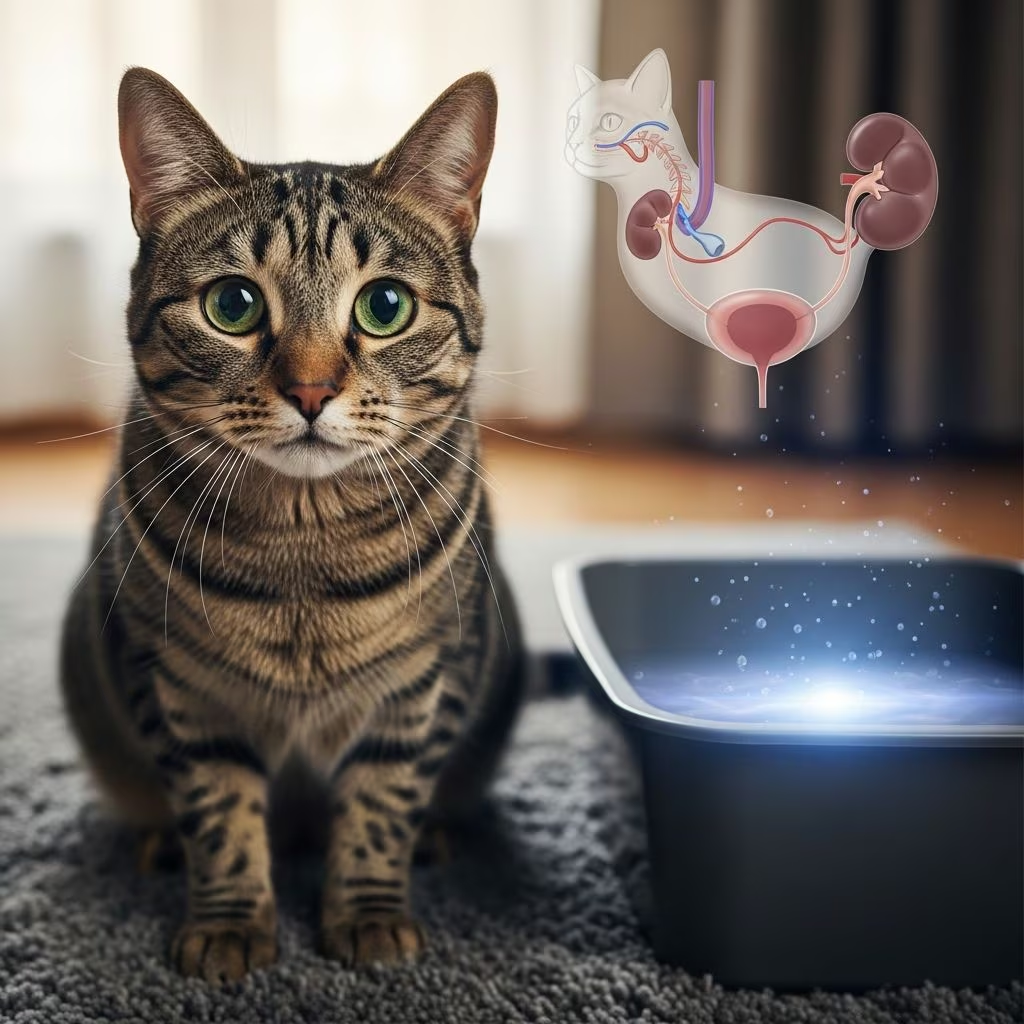
Observing your cat peeing more frequently or in larger volumes than usual can be alarming for any pet owner. Normal cat urination typically involves 2-4 visits to the litter box per day, producing moderate amounts of urine. However, excessive urination, known medically as polyuria (increased volume) or pollakiuria (frequent small amounts), often indicates underlying health problems rather than behavioral quirks. This symptom is particularly common in older cats but can affect any age. Prompt recognition and veterinary intervention are crucial, as conditions like urinary blockages can become life-threatening within 24-48 hours.
What Is Normal Cat Urination?
Cats generally urinate 2-4 times daily, with each void producing about 1-2 tablespoons of urine, forming clumps roughly the size of a ping-pong ball in clumping litter. Factors influencing this include diet (wet food promotes more hydration and urination), age (kittens pee more often), body size, and overall health. Deviations, such as tennis-ball-sized clumps or constant litter box visits with tiny drops, warrant attention. Hydration levels play a key role; well-hydrated cats on wet food may urinate slightly more, but sudden changes signal issues.
Reasons Why Your Cat Is Peeing So Much
Several medical conditions cause excessive urination in cats. These range from infections to chronic diseases, often accompanied by increased thirst (polydipsia). Here’s a breakdown of the most common culprits:
- Urinary Tract Infections (UTIs): Bacteria invade the bladder or urethra, causing inflammation, pain, and frequent urges to urinate small amounts. Symptoms include straining, blood in urine, and crying during elimination. UTIs are less common in cats than dogs but still significant.
- Feline Lower Urinary Tract Disease (FLUTD): An umbrella term for bladder inflammation (cystitis), crystals, or stones without infection. Stress exacerbates FLUTD, leading to frequent, painful urination. Male cats risk life-threatening blockages.
- Kidney Disease (Chronic Kidney Disease – CKD): Common in seniors, impaired kidneys fail to concentrate urine, causing large volumes. Cats drink more and produce oversized litter clumps. Early stages are subtle but progressive.
- Diabetes Mellitus: Insulin deficiency leads to high blood sugar, pulling water into urine (osmotic diuresis). Cats pee profusely and drink excessively, often losing weight despite good appetite.
- Hyperthyroidism: Overactive thyroid boosts metabolism, increasing urine production. Seniors show weight loss, hyperactivity, and poor coat alongside polyuria.
- Bladder Stones or Crystals: Mineral buildup irritates the bladder, prompting frequent small pees, often bloody. Dry-food diets contribute in young cats.
- Other Causes: Liver disease, hypercalcemia, or medications like diuretics can induce polyuria/polydipsia (PU/PD).
| Symptom Type | Description | Common Causes |
|---|---|---|
| High Volume (Polyuria) | Large puddles or giant litter clumps | Kidney disease, diabetes, hyperthyroidism |
| High Frequency (Pollakiuria) | Frequent box visits, tiny drops, straining | UTI, FLUTD, stones, blockage |
Symptoms to Watch For
Beyond increased frequency or volume, red flags include:
- Straining or crying in the litter box
- Blood-tinged or cloudy urine
- Urinating outside the box
- Excessive genital licking
- Increased thirst and drinking
- Lethargy, vomiting, or appetite loss (advanced stages)
- Meowing excessively from pain
Male cats straining without output suggest urethral obstruction—a veterinary emergency, as toxins build up rapidly, potentially causing bladder rupture or death.
High-Volume vs. High-Frequency Urination
Distinguishing these helps narrow causes:
- High-Volume (Polyuria): Flooding the box with large amounts; linked to systemic issues like CKD, diabetes, or hyperthyroidism. Often with polydipsia.
- High-Frequency (Pollakiuria): Tiny, frequent voids; points to lower urinary tract problems like UTIs, cystitis, or stones. Painful and urgent.
Both require vet evaluation, but pollakiuria demands faster action due to blockage risk.
Why Is My Cat Peeing So Much but Not Drinking More?
Rarely, cats pee excessively without increased thirst, possibly from early irritation (crystals/UTI) or psychogenic polydipsia (behavioral over-drinking). However, most cases pair with polydipsia. If no thirst increase, consider bladder control loss from severe infection or neurological issues. Monitor closely.
Diagnosis: What to Expect at the Vet
Vets start with history and physical exam, then:
- Urinalysis: Checks for bacteria, crystals, blood, glucose, or dilute urine.
- Bloodwork: Assesses kidney function (BUN/creatinine), blood sugar, thyroid levels.
- Imaging: Ultrasound or X-rays detect stones/blockages.
- Culture: Identifies specific bacteria for targeted antibiotics.
PU/PD workup categorizes into osmotic diuresis, concentration failure, or primary polydipsia.
Treatment Options for Excessive Urination in Cats
Treatment targets the cause:
- UTIs: Antibiotics (7-14 days), pain relief.
- FLUTD/Cystitis: Anti-inflammatories, stress reduction (pheromones, diet change), increased water intake.
- CKD: Fluid therapy, phosphate binders, renal diets, blood pressure meds.
- Diabetes: Insulin injections, diet management.
- Hyperthyroidism: Medication (methimazole), surgery, or radioactive iodine.
- Stones/Blockages: Emergency catheterization, surgery, or lithotripsy; prescription diets to dissolve/prevent.
Supportive care includes wet food encouragement and litter box optimization (multiple clean boxes).
Prevention Tips
- Feed wet or water-rich foods to boost hydration.
- Maintain clean litter boxes (rule of thumb: one per cat plus one extra).
- Reduce stress with play, hiding spots, and routine.
- Annual senior checkups for early detection.
- Avoid dry-only diets; consider urinary health formulas.
When to See a Vet
Seek immediate care if your cat strains without urinating, shows blood, or pees outside the box. For gradual increases with thirst/weight loss, schedule within 24-48 hours. Early intervention improves outcomes dramatically.
Frequently Asked Questions (FAQs)
What if my cat is peeing a lot but eating normally?
Still concerning; could be early diabetes or CKD. Vet checks needed.
Can diet cause excessive peeing?
Dry food may contribute to crystals/dehydration, but sudden changes indicate disease.
Is frequent peeing always serious?
Pollakiuria often painful; polyuria signals systemic issues. Always investigate.
How to encourage water intake?
Running faucets, fountains, wet food, or broth additives.
Can stress alone cause this?
Stress triggers FLUTD, mimicking infection. Rule out medical first.
References
- Cat or Dog Peeing More Than Usual? What It Could Mean — Advanced Petcare Clinic. 2023. https://www.advancedpetcareclinic.com/services/cats/blog/cat-or-dog-peeing-more-usual-what-it-could-mean
- Excessively Frequent Urination (Pollakiuria) in Cats — Vetster. 2024. https://vetster.com/en/symptoms/cat/excessively-frequent-urination-pollakiuria
- Why is My Cat Peeing Everywhere and Meowing So Much? — Animal Family Veterinary Care. 2023. https://animalfamilyveterinarycare.com/blog/why-is-my-cat-peeing-everywhere-and-meowing-so-much/
- Why Is My Male Cat Peeing Everywhere and Meowing so Much? — Dix Hills Animal Hospital. 2023. https://dixhillsanimalhospital.com/blog/why-is-my-male-cat-peeing-everywhere-and-meowing-so-much/
- Why Is My Cat Peeing a Lot? 3 Serious Causes & Signs — Lady N Pet. 2024. https://ladynpet.com/us/blog/cat-peeing-a-lot/
- Why Is My Cat Peeing a Lot? — PetMD. 2024. https://www.petmd.com/cat/symptoms/why-is-my-cat-peeing-a-lot
- Increased Drinking and Urination in Cats — Elwood Veterinary Clinic. 2023. https://www.elwoodvet.net/increased-drinking-and-urination-cats



