

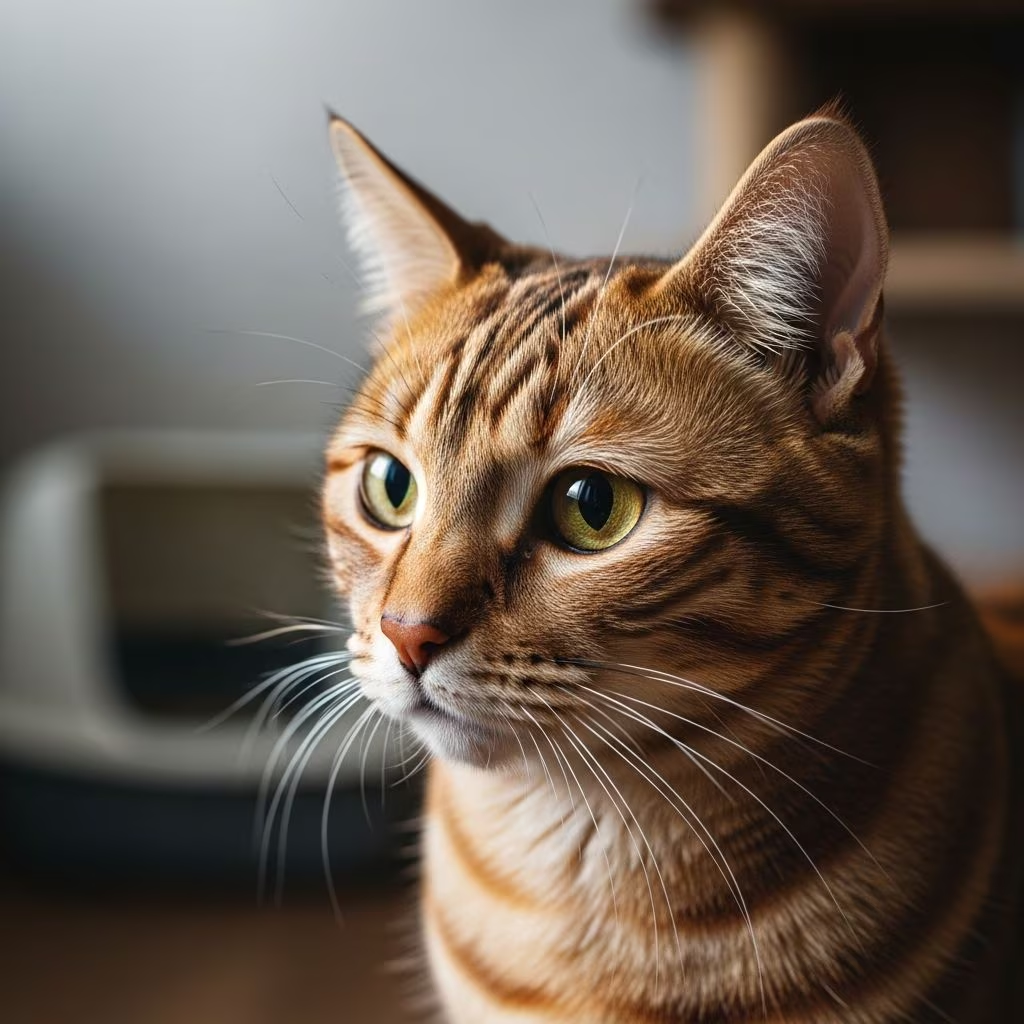
Why Does Your Cat Pee So Much? Understanding Excessive Feline Urination
If you’ve noticed your cat making frequent trips to the litter box or producing larger volumes of urine than usual, you’re observing a medical condition that demands attention. Excessive urination in cats is rarely a behavioral quirk—it’s almost always a sign of underlying internal disease. Understanding the distinction between occasional changes in bathroom habits and persistent excessive urination is crucial for cat owners who want to maintain their pet’s health.
Cats typically urinate between two and four times daily, though this can vary based on factors like hydration levels, age, body size, and overall health status. When your cat suddenly begins urinating more frequently or in larger volumes, it’s time to investigate the root cause with professional veterinary guidance.
The Difference Between High Frequency and High Volume Urination
Veterinarians recognize two distinct patterns of excessive urination that require different diagnostic approaches and treatments. Understanding which pattern your cat exhibits helps guide appropriate medical investigation.
High Frequency Urination (Pollakiuria) involves your cat visiting the litter box multiple times daily but producing small amounts of urine each time. Your cat may strain during these visits, appearing uncomfortable or distressed. This pattern often indicates lower urinary tract problems.
High Volume Urination (Polyuria) occurs when your cat produces large quantities of urine in fewer trips to the box—sometimes creating clumps the size of tennis balls or flooding the entire litter box. This pattern typically suggests systemic diseases affecting the kidneys or metabolism.
The Three Most Common Causes of Excessive Urination
Research identifies three primary medical conditions as the leading causes of excessive urination in cats, particularly in senior animals. These conditions are chronic kidney disease, diabetes mellitus, and hyperthyroidism. Each presents distinct symptoms and requires specific treatment approaches.
1. Chronic Kidney Disease (CKD)
Chronic kidney disease is exceptionally common in senior cats and represents one of the most frequent causes of excessive urination. As cats age, their kidneys gradually lose the ability to concentrate urine effectively, forcing them to produce larger volumes to eliminate waste products from the bloodstream.
Cats with kidney disease typically demonstrate:
- Increased thirst and urination
- Weight loss despite normal or increased appetite
- Lethargy and reduced activity levels
- Poor coat quality appearing dull or matted
- Bad breath or oral ulcers
Advanced kidney disease progresses to a dangerous condition called uremia, where toxins accumulate in the bloodstream. This causes severe nausea, vomiting, complete loss of appetite, and can become life-threatening without veterinary intervention.
2. Diabetes Mellitus
Feline diabetes develops when your cat’s body cannot produce sufficient insulin, the hormone responsible for regulating blood sugar levels. Excessive drinking and urination are hallmark early signs of diabetes. When blood glucose levels exceed the kidney’s reabsorption threshold, glucose spills into the urine, drawing water along with it through osmotic diuresis—creating the high-volume urination pattern.
Additional diabetes symptoms include:
- Increased appetite despite weight loss
- Weakness in the hind legs
- Poor coat condition
- Diabetic ketoacidosis (DKA) in severe cases, causing lethargy, vomiting, and loss of appetite
Early detection and management of diabetes can sometimes achieve remission, making prompt veterinary attention essential when symptoms appear.
3. Hyperthyroidism
Hyperthyroidism, an overactive thyroid gland condition, is particularly common in senior cats. The overactive gland accelerates the entire body’s metabolism and blood flow to the kidneys, increasing urine production dramatically. Hyperthyroid cats also experience intense thirst.
Signs of hyperthyroidism include:
- Excessive urination and drinking
- Significant weight loss despite increased appetite
- Hyperactivity and nervousness
- Rough, unkempt-looking coat
- Increased vocalization
Lower Urinary Tract Conditions Causing Frequent Urination
While the three conditions above typically cause high-volume urination, several lower urinary tract diseases create the frequent, small-volume urination pattern (pollakiuria). These conditions are often painful and require prompt treatment.
Urinary Tract Infections (UTIs)
Urinary tract infections are a frequent cause of inappropriate urination and behavioral changes in cats. When bacteria enter the urinary tract, they trigger inflammation, pain, and the urgent need to urinate frequently.
UTI symptoms include:
- Frequent trips to the litter box with minimal urine output
- Crying or excessive meowing while urinating
- Blood in the urine (hematuria)
- Urinating outside the litter box due to pain association
- Excessive licking of the genital area
Cats with UTIs may also vocalize excessively due to discomfort or frustration. A urinalysis is essential to diagnose UTIs, as bacteria in the urine confirm the infection.
Feline Lower Urinary Tract Disease (FLUTD)
FLUTD is an umbrella term covering multiple urinary tract disorders, including bladder inflammation, urinary stones, and blockages. Stress often triggers FLUTD, making stress reduction important for affected cats.
FLUTD symptoms include:
- Straining to urinate
- Producing small amounts of urine or none at all
- Bloody or cloudy urine
- Excessive licking of the genital area
- Increased vocalization due to pain
- Urinating outside the litter box
Male cats face higher risk of urinary obstruction with FLUTD, a condition that can become life-threatening if left untreated.
Bladder and Urinary Stones
Bladder stones (uroliths) form in the bladder and cause significant pain during urination. Urinary crystals are most common in young cats eating dry food. The way cats metabolize certain foods can lead to crystal formation, which irritates the bladder lining and causes frequent, uncomfortable urination.
Symptoms of bladder stones include:
- Frequent urination with small output
- Bloody urine
- Straining in the litter box
- Urinating outside the litter box
- Excessive genital licking
Both urinary crystals and infections require urinalysis to diagnose and differentiate between the two conditions.
Urinary Blockage: A Life-Threatening Emergency
If your cat cannot urinate, this is a medical emergency requiring immediate veterinary care. Urethral obstruction prevents urine from exiting the bladder, allowing toxins to accumulate in the bloodstream. The bladder can rupture, resulting in death if untreated.
Emergency warning signs include:
- Frequent trips to the litter box with no urine output
- Straining and crying in pain
- Loud meowing or vocalization
- Abdominal distension or pain
- Lethargy or collapse
This condition is more common in young male indoor cats but can affect any cat. If you observe these symptoms, contact your veterinarian immediately or visit an emergency animal hospital.
When to Seek Veterinary Care
Certain symptoms warrant immediate professional evaluation. Your cat should be examined by a veterinarian if experiencing:
- Sudden increase in urination frequency or volume
- Straining or difficulty urinating
- Blood in the urine
- Urinating outside the litter box
- Excessive vocalization during urination
- Increased thirst combined with increased urination
- Weight loss despite normal appetite
Diagnostic procedures typically include a physical examination, urinalysis, bloodwork, and possibly diagnostic imaging like ultrasound or X-rays to identify the underlying cause.
Diagnostic Approach and Treatment Options
Veterinarians employ multiple diagnostic tools to identify the cause of excessive urination. Bloodwork and urinalysis provide essential information about kidney function, blood glucose levels, and urine composition. Diagnostic imaging helps visualize bladder stones or other structural abnormalities.
Treatment varies considerably based on the underlying diagnosis. Common treatment options include:
- Antibiotics for bacterial infections
- Anti-inflammatory medications for bladder inflammation
- Insulin therapy for diabetic cats
- Thyroid medications for hyperthyroidism
- Dietary modifications for kidney disease or stone prevention
- Urinary catheterization for blocked cats
Preventive Measures and Home Care
While some causes of excessive urination cannot be prevented, certain measures may reduce risk:
- Provide fresh water continuously to support kidney health
- Maintain appropriate litter box hygiene with daily scooping
- Offer multiple litter boxes, especially in multi-cat households
- Minimize stress through environmental enrichment
- Schedule regular veterinary check-ups, especially for senior cats
- Discuss diet with your veterinarian to prevent crystal formation
Frequently Asked Questions
Q: How much should a normal cat urinate daily?
A: Most cats urinate between two and four times daily, though this varies based on hydration, age, and body size. Any significant increase warrants veterinary evaluation.
Q: Can stress cause excessive urination in cats?
A: Stress can trigger FLUTD (Feline Lower Urinary Tract Disease), which causes frequent, painful urination. Environmental enrichment and stress reduction may help manage stress-related urinary issues.
Q: Is it normal for senior cats to pee more?
A: While kidney disease is common in senior cats and causes increased urination, increased peeing is not “normal aging”—it indicates kidney function decline requiring veterinary management.
Q: What’s the difference between drinking more and peeing more?
A: Increased drinking and urination often occur together in conditions like diabetes and kidney disease. However, a cat can drink normally while urinating excessively due to kidney disease, or conversely, drink excessively due to behavioral issues while urinating normally.
Q: Can diet affect urinary frequency?
A: Yes, diet significantly impacts urinary health. Dry food diets are associated with urinary crystal formation in young cats. Your veterinarian can recommend appropriate diets based on your cat’s specific condition.
When Your Cat’s Litter Box Habits Change
Excessive urination represents your cat’s way of signaling that something requires medical attention. Rather than dismissing increased litter box visits as behavioral, recognize this as your cat’s attempt to communicate discomfort or illness. The conditions causing excessive urination range from manageable with proper treatment to potentially life-threatening if ignored.
Whether your cat exhibits the large-volume urination pattern associated with systemic diseases or the frequent, painful urination pattern of lower urinary tract problems, professional veterinary diagnosis and treatment are essential. Early intervention often prevents complications and improves long-term outcomes. Schedule a veterinary appointment promptly when you notice changes in your cat’s urination patterns—your attentiveness could literally save your cat’s life.
References
- Cat or Dog Peeing More Than Usual? What It Could Mean — Advanced Pet Care Clinic. Accessed 2026-01-14. https://www.advancedpetcareclinic.com/services/cats/blog/cat-or-dog-peeing-more-usual-what-it-could-mean
- Excessively Frequent Urination (Pollakiuria) in Cats — Vetster. Accessed 2026-01-14. https://vetster.com/en/symptoms/cat/excessively-frequent-urination-pollakiuria
- Why is My Cat Peeing Everywhere and Meowing So Much? — Animal Family Veterinary Care. Accessed 2026-01-14. https://animalfamilyveterinarycare.com/blog/why-is-my-cat-peeing-everywhere-and-meowing-so-much/
- Why Is My Male Cat Peeing Everywhere and Meowing so Much? — Dix Hills Animal Hospital. Accessed 2026-01-14. https://dixhillsanimalhospital.com/blog/why-is-my-male-cat-peeing-everywhere-and-meowing-so-much/
- Why Is My Cat Peeing a Lot? 3 Serious Causes & Signs — Lady N US. Accessed 2026-01-14. https://ladynpet.com/us/blog/cat-peeing-a-lot/
- Why Is My Cat Peeing a Lot? — PetMD. Accessed 2026-01-14. https://www.petmd.com/cat/symptoms/why-is-my-cat-peeing-a-lot
- Increased Drinking and Urination in Cats — Elwood Veterinary Clinic. Accessed 2026-01-14. https://www.elwoodvet.net/increased-drinking-and-urination-cats
- Increased Urination and Thirst in Cats — Wag! Walking. Accessed 2026-01-14. https://wagwalking.com/cat/condition/increased-urination-thirst



