

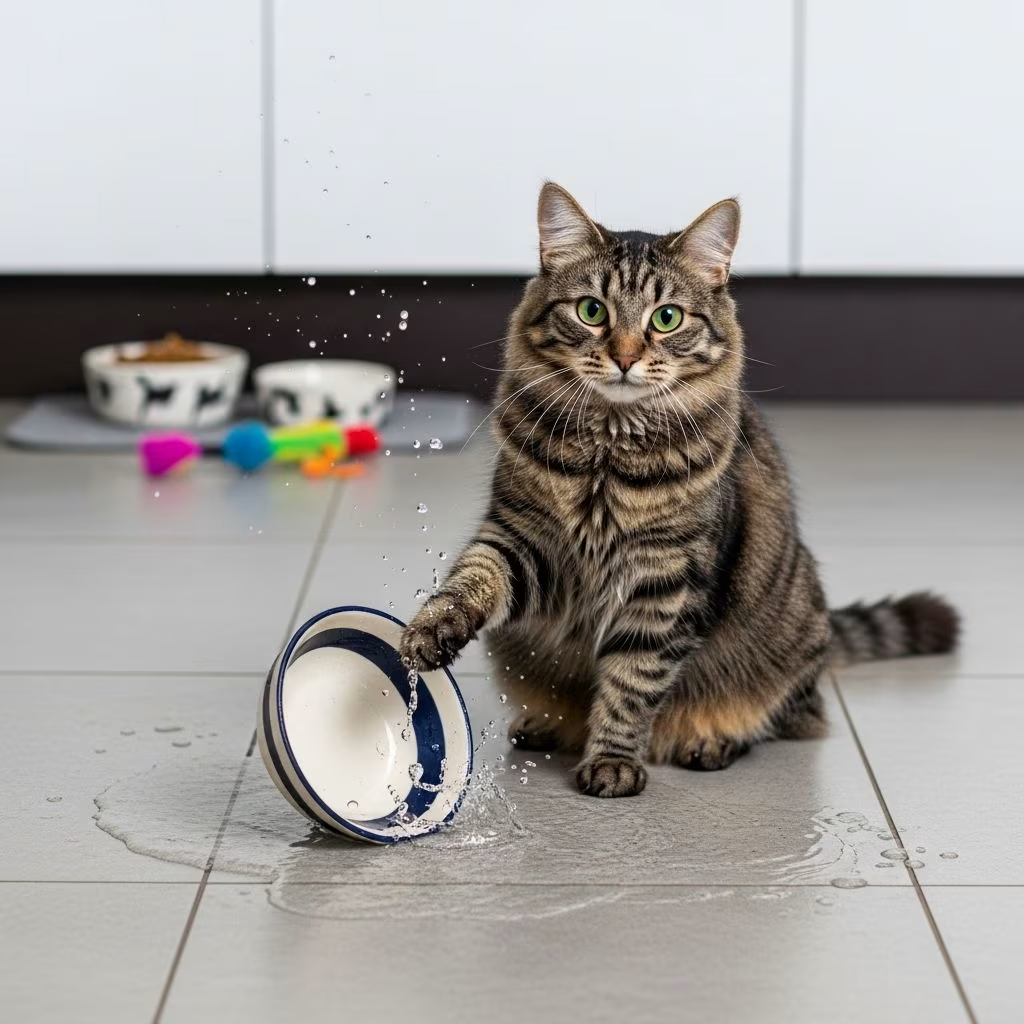
Why Does My Cat Move Their Water Bowl? Understanding This Common Behavior
Cats are curious and entertaining creatures that often engage in peculiar habits that leave pet owners scratching their heads. One such behavior is moving their water bowl before drinking from it. While this habit is relatively common among cats, not every feline exhibits this behavior with the same frequency or intensity. Understanding why your cat moves their water bowl is essential for ensuring your pet’s health and well-being, especially since the underlying causes can range from innocent play to signs of stress or anxiety.
The act of a cat pushing, batting, or moving their water bowl around the floor is more than just random behavior. There are logical explanations behind this quirky habit, and in some cases, it may signal that your cat needs your attention. By learning about the reasons behind this behavior, you can better respond to your cat’s needs and provide them with a more comfortable drinking environment.
The 4 Likely Reasons Your Cat Moves Their Water Bowl
1. The Cat Is Playing With the Water
Cats are naturally playful animals, and one of their defining characteristics is their ability to turn almost anything into a toy. Your cat moving their water bowl might simply be a form of entertainment and play. Cats are fascinated by water in all its forms, from the stream coming out of a faucet to the water in your bathtub when you run it. They enjoy pawing at water and watching it move, which triggers their hunting instincts and provides mental stimulation.
The water in their bowl represents an interactive element that your cat can manipulate and control. Although it may seem obvious to you that the water is meant for drinking, your cat may not perceive the bowl’s purpose as clearly as you do. Instead, they see it as an object to explore and play with. This is especially common in kittens, who have more energy and curiosity than adult cats. If your cat bats at the water, splashes it around, and seems to be enjoying the activity, playfulness is likely the culprit.
2. The Cat Doesn’t Like Where the Water Bowl Is Located
Location matters significantly to cats, and many felines are particular about where they consume food and water. Your cat moving the water bowl might be their way of communicating that the current placement is unacceptable. One of the most common location-related issues is when the water bowl sits beside the food bowl.
This preference stems from cats’ evolutionary history. In the wild, cats would move their prey away from bodies of water to prevent contamination of their drinking source. This instinct remains deeply embedded in domestic cats’ behavior. When food and water are positioned near each other, cats may feel compelled to move one or both bowls to separate them.
Additionally, cats may avoid drinking from bowls placed in high-traffic areas, near their litter box, or in locations where they feel exposed or vulnerable. They prefer to drink in quiet, safe spaces where they can remain alert to their surroundings. If your cat consistently moves their water bowl, try relocating it to a different area of your home, preferably at least ten feet away from their food bowl. Feline behavioral experts recommend placing multiple water bowls in different locations throughout your home to give your cat options and increase their water consumption.
3. The Cat Wants Moving Water
One of the most significant reasons cats move their water bowls is their instinctive preference for moving water over still, stagnant water. In the wild, cats evolved to understand that running or moving water is safer to drink than standing water, which is more likely to harbor harmful bacteria and pathogens. Puddles of stagnant water can become contaminated with bacteria from decomposing prey and other environmental sources.
Even though the water in your cat’s bowl is clean and fresh due to your care, your cat’s instincts don’t recognize this distinction. When your cat bats at the water or pushes the bowl around, they may be trying to recreate the rippling effect of fresh, running water, such as what comes from a faucet or stream. This behavior makes the water appear more appetizing and safe to drink from your cat’s perspective.
By moving the water bowl, your cat is essentially creating movement in the water to make it feel more natural and trustworthy. If your cat frequently exhibits this behavior and you notice they prefer drinking from the faucet, water fountains, or puddles, this is likely the primary reason. Investing in a cat water fountain can be an excellent solution, as it provides continuously moving water that appeals to your cat’s natural preferences and encourages adequate hydration.
4. The Cat Could Be Testing the Water Level
Cats are meticulous creatures that are particular about many aspects of their environment, including the depth of water in their bowls. Your cat may bat at or splash water from the bowl to test the water level and create a shallower puddle on the floor that they can drink from more comfortably.
When water sits still in a bowl, it can be difficult for cats to judge its depth, especially in deep or narrow bowls. By splashing the water, your cat makes the water level more visible and easier to navigate. Some cats prefer drinking from shallow puddles rather than from the depths of a bowl, as this requires less stretching and feels more natural.
This behavior is often exacerbated by whisker fatigue, a condition caused when a cat’s sensitive whiskers are repeatedly pushed backward into their face while eating or drinking from deep, narrow bowls. The whiskers are highly sensitive organs filled with nerve endings that help cats navigate their environment. When these whiskers are continuously irritated, it can cause chronic discomfort or pain, leading cats to avoid the bowl altogether or pull water and food out of the bowl to consume it on the floor.
Additional Factors That Influence Water Bowl Behavior
Environmental and Social Factors
In multi-cat households, a cat might avoid or move their water bowl due to intimidation or territorial concerns. If another cat frequents the water bowl area or positions themselves nearby, a less dominant cat may feel threatened and unable to drink comfortably. In such situations, the anxious cat might move the bowl to a more secure location or only drink when other cats are not nearby.
The material of the bowl can also influence your cat’s behavior. Plastic bowls can alter the taste of water and may harbor bacteria more easily than ceramic, glass, or stainless steel bowls. If you notice your cat avoiding their water, try switching to a higher-quality bowl material and monitor whether the behavior changes.
Whisker Sensitivity
Whisker fatigue deserves special attention as it is one of the most overlooked reasons cats exhibit water bowl-related behaviors. When cats are forced to compress their whiskers into narrow bowls repeatedly, the nerve endings in their whiskers send pain signals to their brain. Over time, this chronic irritation encourages cats to find alternative drinking methods, such as drinking from their paws or creating shallow puddles on the floor.
To prevent whisker fatigue, invest in wide, shallow bowls that allow your cat’s whiskers to rest comfortably while they drink. Alternatively, cat water fountains with wide basins can provide both moving water and comfortable access.
When Is It Time to Call the Vet?
While moving a water bowl before drinking is typically normal feline behavior, excessive bowl movement warrants veterinary attention. If this behavior is new, sudden, or accompanied by other signs of stress or illness, schedule an appointment with your veterinarian.
Warning Signs to Watch For
- Urinating or defecating outside the litter box
- Excessive grooming or bald patches from over-grooming
- Changes in appetite or sudden weight loss or gain
- Increased vocalization or aggression
- Lethargy or unusual sleeping patterns
- Vomiting or diarrhea
- Excessive water bowl interaction combined with dramatically increased or decreased water intake
These signs may indicate that your cat is stressed, anxious, or suffering from an underlying health condition. Stress and anxiety can manifest in behavioral changes, and your cat may be moving their water bowl as a sign of distress. Additionally, certain medical conditions can affect your cat’s water intake and behavior around food and water bowls.
Monitoring Your Cat’s Hydration
It’s essential to ensure your cat drinks enough water to maintain proper hydration. Monitor your cat’s water consumption and watch to ensure that despite playing with the water bowl, your cat is actually drinking adequate amounts. A cat water fountain can help encourage drinking while providing the moving water many cats prefer.
If you notice significant changes in your cat’s water intake, excessive drooling, or other symptoms of dehydration, contact your veterinarian promptly. Proper hydration is crucial for your cat’s kidney function and overall health.
Solutions to Address Water Bowl Behavior
Environmental Modifications
- Separate bowls: Place water bowls at least ten feet away from food bowls and litter boxes
- Multiple locations: Provide water bowls in different areas of your home to give your cat options
- Upgrade bowl materials: Use ceramic, glass, or stainless steel bowls instead of plastic
- Change bowl size and depth: Opt for wide, shallow bowls to prevent whisker fatigue
- Install a water fountain: Provide moving water that appeals to your cat’s natural instincts
Behavioral Solutions
- Increase interactive playtime with your cat to satisfy their need for stimulation
- Provide enrichment activities that channel their playfulness constructively
- Monitor your cat’s behavior to identify patterns and triggers
- Ensure your cat feels safe and secure in their environment
- Reduce stress through environmental modifications and consistent routines
Frequently Asked Questions
Q: Is it normal for cats to move their water bowls?
A: Yes, moving water bowls is a relatively common feline behavior. Many cats engage in this habit for various reasons, from play to preference for different water locations or characteristics. However, not all cats exhibit this behavior.
Q: How can I stop my cat from moving their water bowl?
A: The best approach depends on the underlying cause. Try moving the bowl away from food, using a wider shallow bowl, or installing a water fountain. Increasing playtime and enrichment can also help if your cat is moving the bowl out of boredom.
Q: Should I be worried if my cat moves their water bowl?
A: Not necessarily, unless the behavior is new, excessive, or accompanied by other signs of stress or illness. Monitor your cat for additional symptoms and contact your veterinarian if you have concerns.
Q: Do cat water fountains really help?
A: Yes, cat water fountains provide moving water that many cats prefer and can encourage increased water intake. They also help maintain water freshness and cleanliness.
Q: Why does my cat drink from the faucet but not their bowl?
A: Your cat likely prefers moving water from the faucet. A water fountain can replicate this preference and make the bowl more appealing. You may also need to relocate the bowl or change its material and depth.
Q: Can whisker fatigue be painful?
A: Yes, whisker fatigue can be uncomfortable or even painful when cats’ sensitive whiskers are repeatedly pushed backward into deep bowls. Switching to wide, shallow bowls can alleviate this issue.
Conclusion
Understanding why your cat moves their water bowl is essential for maintaining your pet’s health and happiness. In most cases, this behavior is perfectly normal and stems from natural feline instincts, playfulness, or simple preferences regarding water location and characteristics. The four primary reasons—play, location dissatisfaction, preference for moving water, and water level testing—account for the majority of water bowl movements.
However, it’s important to remain vigilant and monitor your cat for any signs that this behavior might indicate stress, anxiety, or underlying health issues. If moving the water bowl is a new development accompanied by other concerning symptoms, contact your veterinarian for guidance.
By implementing the solutions discussed in this article, such as relocating the water bowl, upgrading to appropriate bowl materials, and considering a cat water fountain, you can address your cat’s water bowl behavior while ensuring they remain properly hydrated and content. Remember that every cat is unique, and what works for one may not work for another. Be patient as you discover your cat’s preferences and adjust their environment accordingly.
References
- Why Does My Cat Move Their Water Bowl? 4 Vet Verified Reasons — Catster. 2024. https://www.catster.com/cat-behavior/why-does-cat-move-their-water-bowl/
- Why Does My Cat Play in the Food and Water Bowls? — SoftPaws.com. https://www.softpaws.com/why-does-my-cat-play-in-the-food-and-water-bowls/
- Why Does My Cat Play in the Water Bowl? — Great Articles. https://www.declawing.com/great-articles/why-does-my-cat-play-in-the-water-bowl
- Why Does He Do That? Water Bowl Behavior Explained — Every Animal Matters. https://everyanimalmatters.org/why-does-he-do-that-water-bowl-behavior-explained/
- Why Does My Cat Move His Water Bowl: Understanding Feline Behavior — UA Pet. https://www.uahpet.com/blogs/post/why-does-my-cat-move-his-water-bowl-understanding-feline-behavior



