

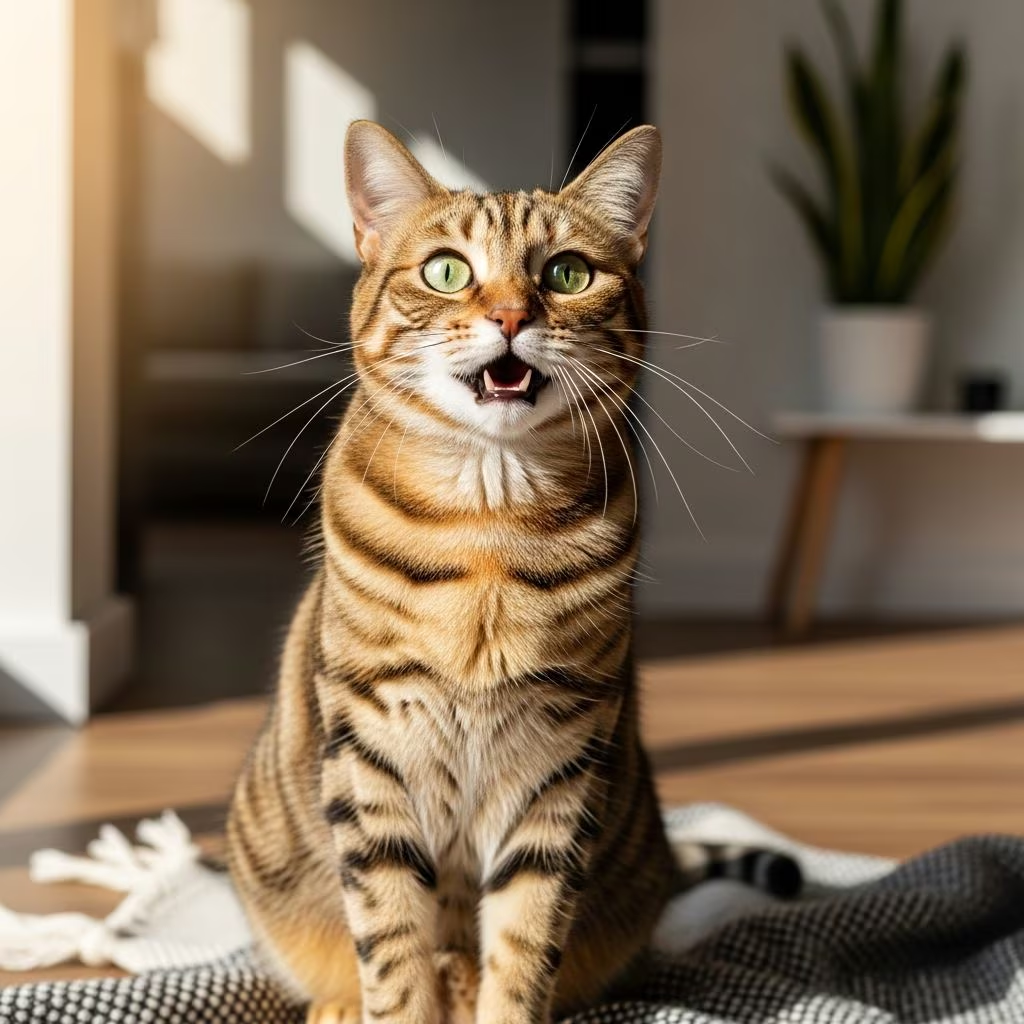
Cats communicate primarily through meowing, a vocalization reserved mostly for humans rather than other cats. While occasional meows are normal, excessive meowing can signal underlying issues ranging from medical conditions to behavioral triggers. Understanding the causes helps cat owners address the problem effectively, restoring peace and ensuring their pet’s well-being.
Normal Cat Meowing vs. Excessive Vocalization
Adult cats meow to express needs like hunger, attention, or access to doors. Kittens meow more frequently to solicit care from their mothers, a behavior that persists with human companions. However, excessive meowing becomes concerning when it increases suddenly, sounds distressed, or disrupts daily life.
- Sudden increase in frequency or volume indicates potential problems.
- Meows accompanied by limping, hiding, or appetite changes warrant immediate vet attention.
- Nighttime vocalizations often point to specific issues like hyperthyroidism or anxiety.
Tracking patterns in a log—time of day, triggers, and responses—helps identify causes.
Medical Reasons Why Cats Meow Excessively
Health issues are the most common culprits for sudden excessive meowing. Cats mask pain well, so vocalization serves as a distress signal.
Pain-Related Causes
Pain prompts cats to vocalize during movement, touch, or litter box use. Common sources include:
- Arthritis: Older cats cry when jumping or walking stiffly.
- Dental disease: Fractured teeth, gum infections, or resorptive lesions make eating painful, leading to drooling and meowing.
- Urinary blockages: Life-threatening in males; cats strain and cry in the box.
- Gastrointestinal issues: Constipation, IBD, or pancreatitis cause abdominal discomfort.
Hyperthyroidism in Cats
Hyperthyroidism affects older cats (over 7 years), overproducing thyroid hormones that accelerate metabolism. Symptoms include weight loss despite ravenous hunger, increased thirst/urination, vomiting, diarrhea, hyperactivity, and incessant meowing, especially at night. Diagnosis via blood tests; treatments like medication, radioactive iodine, or diet reduce vocalization.
Hypertension and Other Conditions
High blood pressure, often secondary to hyperthyroidism or kidney disease, causes restlessness and vocalization. Cognitive dysfunction in seniors mimics dementia, leading to confused nighttime cries.
| Condition | Key Symptoms | Meowing Pattern |
|---|---|---|
| Hyperthyroidism | Weight loss, hyperactivity | Nighttime, restless |
| Arthritis/Pain | Limping, reluctance to jump | During movement |
| Urinary Blockage | Straining in litter box | Urgent cries |
| Hypertension | Disorientation | Incessant |
Behavioral Reasons for Excessive Meowing
Once medical issues are ruled out, behavior often explains persistent meowing.
Attention-Seeking
Cats learn meowing gets results. Responding reinforces it; instead, ignore demands and reward silence.
Hunger or Routine
Feed on schedule with automatic feeders for early risers. Puzzle toys prevent boredom-eating.
Mating Calls
Unspayed females yowl in heat; unneutered males pace and meow detecting scents. Spaying/neutering eliminates this.
Environmental Triggers Causing Cat Meowing
Cats thrive on routine; changes provoke vocal protests.
Stress and Anxiety
New homes, pets, or rearrangements cause distress. Signs: hiding, aggression alongside meowing. Use pheromone diffusers like Feliway, maintain routines.
Boredom and Lack of Stimulation
Indoor cats need enrichment: vertical spaces, window perches, rotating toys, foraging puzzles. Increase playtime to tire them out.
- Interactive laser pointers or wand toys mimic hunting.
- Bird feeders outside windows provide entertainment.
- Cat trees offer territory and vantage points.
When to See a Vet for Excessive Meowing
Any sudden change merits a checkup, especially in seniors. Expect physical exams, bloodwork, urinalysis, and imaging. Early intervention prevents complications.
Diagnostic Process
- History and observation.
- Full exam for pain/dental issues.
- Blood tests for thyroid/kidney function.
- Imaging if needed.
How to Stop Excessive Meowing: Vet-Approved Solutions
Tailor solutions to causes.
Medical Treatments
Manage hyperthyroidism with methimazole, iodine therapy, or low-iodine diets. Pain relief for arthritis; antibiotics for infections.
Behavior Modifications
- Ignore attention meows; play/feed on your terms.
- Scheduled meals end hunger cries.
- Enrich environment daily.
Environmental Changes
Add play sessions before bed, use calming supplements if vet-approved. For multi-cat stress, separate resources.
Frequently Asked Questions (FAQs)
Why is my cat meowing so much at night?
Night meowing often stems from hyperthyroidism, hunger, boredom, or cognitive issues in seniors. Vet check first, then enrich evenings.
How do I stop my cat from meowing for food?
Feed scheduled meals; use auto-feeders. Ignore cries to avoid reinforcement.
Is excessive meowing a sign of pain?
Yes, especially if with limping or litter avoidance. Dental, arthritis, or urinary issues common.
Can stress cause a cat to meow a lot?
Absolutely—new environments or changes trigger anxiety meows. Pheromones and stability help.
Should I get a second cat if mine meows for attention?
Only if compatible; enrich first to rule out boredom.
Excessive meowing disrupts homes but is often fixable with prompt vet care and adjustments. Monitor your cat closely for peaceable companionship.
References
- Why Is My Cat Meowing So Much? Exploring Excessive Vocalization in Cats — Advanced Veterinary Medical Center. 2023. https://advancedvmc.net/why-is-my-cat-meowing-so-much-exploring-excessive-vocalization-in-cats/
- 5 Reasons Your Cat Won’t Stop Meowing At Night & How To Stop It — YouTube (Animal Behaviorist Advice). 2023. https://www.youtube.com/watch?v=1gWWnz8IhHA
- What Does Excessive Meowing Mean in Cats — WebMD. 2024-01-15. https://www.webmd.com/pets/cats/cats-excessive-meowing
- Why Is My Cat Meowing So Much? — PetMD. 2024. https://www.petmd.com/cat/behavior/cat-meowing
- Cat meowing a lot in new house — Cats.com. 2023. https://cats.com/community/behavior/excessive-meowing
- Meowing and Yowling — ASPCA. 2024. https://www.aspca.org/pet-care/cat-care/common-cat-behavior-issues/meowing-and-yowling



