

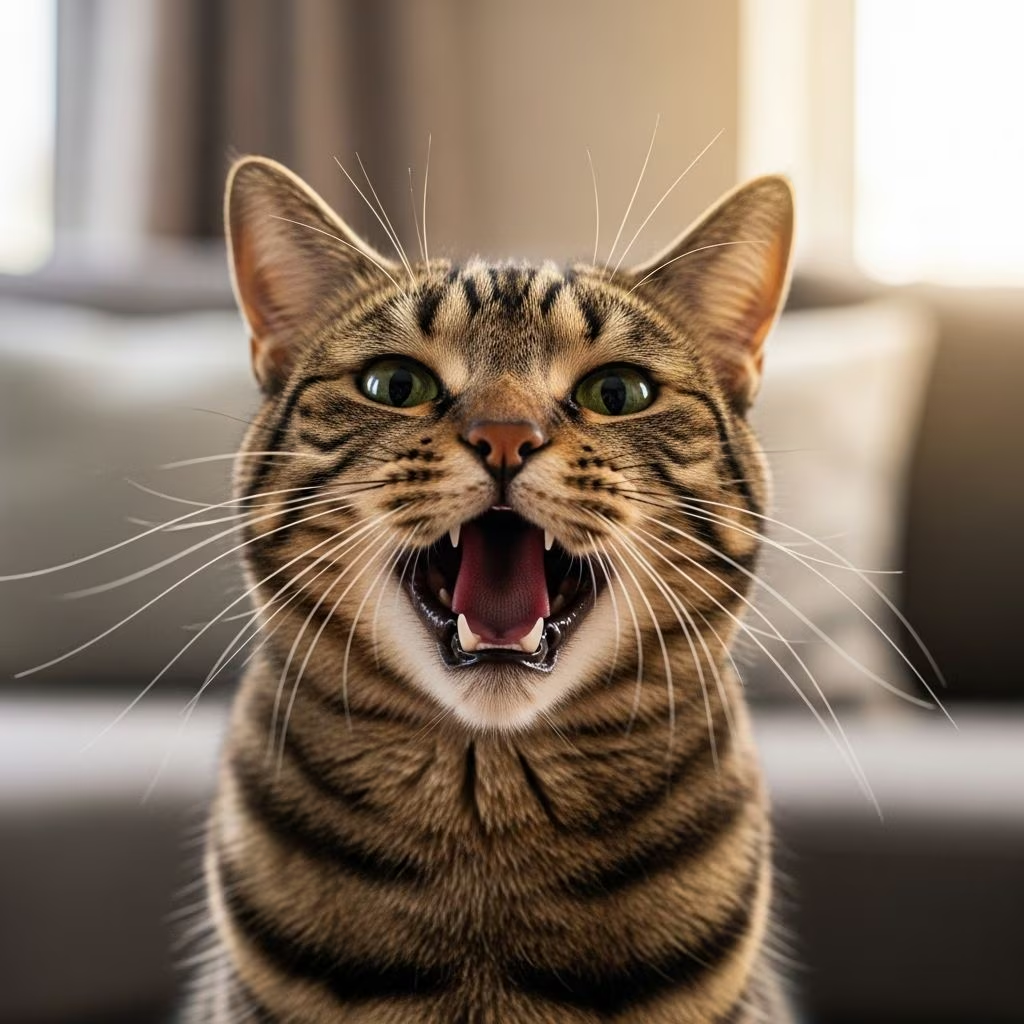
Excessive meowing in cats can be puzzling and frustrating for owners, but it’s often a sign your feline friend is trying to communicate something important. Cats meow primarily to humans, using this vocalization to express needs, discomfort, or emotions. While occasional meows are normal, persistent or increased vocalization warrants attention to rule out underlying issues. This guide explores the key causes—from medical conditions to behavioral triggers—and provides actionable solutions based on veterinary insights.
Understanding Normal Cat Vocalizations
Cats communicate through a variety of sounds, but meowing is uniquely directed at humans rather than other cats. Kittens meow to solicit care from their mothers, and adult cats retain this behavior to interact with their owners. Normal meowing occurs for greetings, requests for food, or attention. However, when meowing becomes frequent, loud, or occurs at unusual times like night, it signals a potential problem.
Recognizing the shift from normal to excessive is key. Baseline vocalization varies by breed, age, and personality—Siamese cats, for instance, are naturally more talkative. Track patterns: Is it constant, cyclical, or triggered by specific events? This helps pinpoint whether it’s medical, environmental, or age-related.
Medical Causes of Excessive Meowing
Many cases of nonstop meowing stem from health issues. Cats are stoic and hide pain, so vocalization becomes their way of signaling distress. A veterinary exam is essential to identify and treat these conditions promptly.
Pain and Discomfort
Pain is a leading cause of excessive meowing. Cats in pain may vocalize when moving, eating, or using the litter box. Common sources include:
- Arthritis: Older cats cry during mobility, especially jumping or climbing.
- Dental disease: Fractured teeth, gum infections, or resorptive lesions make eating painful, leading to drooling and meowing.
- Urinary issues: Blockages are emergencies; cats strain and cry in the litter box.
- Gastrointestinal problems: Constipation, IBD, or pancreatitis cause vocal discomfort.
Observe for limping, hiding, or appetite changes alongside meowing. Vets use exams, X-rays, and bloodwork to diagnose.
Hyperthyroidism
Hyperthyroidism affects older cats (over 7 years), overproducing thyroid hormones that accelerate metabolism. Symptoms include weight loss, ravenous hunger, hyperactivity, increased thirst/urination, vomiting, diarrhea, and restless nighttime meowing. Diagnosis via blood tests measures T4 levels; treatments include medication (methimazole), radioactive iodine, surgery, or iodine-restricted diets. Early intervention reduces vocalization and improves life quality. According to AAHA guidelines, this condition is highly treatable.
Other Medical Issues
- Hypertension: High blood pressure, often linked to kidney disease or hyperthyroidism, causes disorientation and crying.
- Neurological problems: Rare brain tumors lead to altered behavior, circling, or head pressing.
- Sensory decline: Hearing/vision loss in seniors causes confusion and louder meows.
- Cognitive dysfunction: Like dementia, it prompts disoriented yowling, especially at night.
Blood pressure checks and senior wellness panels detect these.
Behavioral and Environmental Reasons
If medical tests are clear, look to lifestyle factors. Cats thrive on routine; disruptions trigger vocal protests.
Hunger or Thirst
Meowing at mealtimes is common, but persistent demands suggest inadequate feeding. Indoor cats may vocalize for snacks. Solutions: Scheduled meals, puzzle feeders, or free-feeding high-fiber kibble for weight control.
Attention-Seeking and Boredom
Lonely or bored cats meow for interaction. Long workdays exacerbate this. Enrich with:
- Interactive toys and daily play sessions (15-30 minutes twice daily).
- Window perches, bird feeders, or foraging toys.
- Vertical spaces like cat trees.
Ignore demand meows; reward quiet behavior to avoid reinforcement.
Stress and Anxiety
Changes like moves, new pets, or babies stress cats, prompting territorial yowls. Multi-cat homes see conflicts. Mitigate with pheromone diffusers (Feliway), separate resources, and gradual introductions. New homes may take weeks to months for adjustment; maintain scents and routines.
Breeding and Heat Cycles
Unspayed females yowl in heat; unneutered males pace and meow for mates. Spaying/neutering eliminates this almost entirely.
Nocturnal Habits
Cats are crepuscular, active at dawn/dusk. Night meowing reflects unmet daytime energy. Tire them out with evening play.
Age-Related Meowing in Senior Cats
Seniors (11+ years) meow more due to:
- Cognitive decline: Nighttime disorientation.
- Sensory loss: Confusion from poor sight/hearing.
- Arthritis/pain: Mobility vocalization.
Support with nightlights, ramps, low-sided litter boxes, and meds for cognition. Annual senior exams catch issues early.
When to See the Vet
Consult a vet if meowing is sudden, paired with symptoms (weight loss, litter box issues, lethargy), or persists post-changes. Start with physical exam, bloodwork, urinalysis, and blood pressure. Rule out medical first—behavioral fixes fail otherwise.
How to Reduce Excessive Meowing
Tailor solutions to causes:
| Cause | Solutions |
|---|---|
| Medical | Vet diagnosis/treatment |
| Attention/Boredom | Playtime, toys, ignore demands |
| Hunger | Scheduled/puzzle feeding |
| Stress | Pheromones, enrichment, routines |
| Night Meowing | Evening exercise, nightlights |
Consistency is key. Track progress in a journal. Supplements like L-theanine or CBD (vet-approved) aid anxiety.
Frequently Asked Questions (FAQs)
Why is my cat meowing so much all of a sudden?
Sudden increases often indicate pain, illness (e.g., hyperthyroidism), or stress. Vet check first.
Why does my cat meow at night?
Natural activity, hunger, hyperthyroidism, or cognitive issues. Increase daytime play and check health.
How do I stop my cat from meowing for food?
Use puzzle feeders, schedule meals, avoid rewarding vocal demands.
Is excessive meowing a sign of pain?
Yes, especially with arthritis, dental, or urinary issues. Look for associated behaviors.
Should I get my cat spayed to reduce meowing?
Yes, for heat-related yowling.
By addressing the root cause, you can restore peace and ensure your cat’s well-being. Persistent issues? Partner with your vet for personalized care.
References
- Why Is My Cat Meowing So Much? Exploring Excessive Vocalization in Cats — Advanced Veterinary Medical Center. 2023. https://advancedvmc.net/why-is-my-cat-meowing-so-much-exploring-excessive-vocalization-in-cats/
- 5 Reasons Your Cat Won’t Stop Meowing At Night & How To Stop It — YouTube (Animal Behavior Insights). 2023. https://www.youtube.com/watch?v=1gWWnz8IhHA
- Why Is My Cat Meowing So Much? Exploring Excessive Vocalization in Cats — Bayview Pets. 2023. https://bayviewpets.com/why-is-my-cat-meowing-so-much-exploring-excessive-vocalization-in-cats/
- What Does Excessive Meowing Mean in Cats — WebMD Pets. 2024-01-15. https://www.webmd.com/pets/cats/cats-excessive-meowing
- Cat meowing a lot in new house — Cats.com Community. 2023. https://cats.com/community/behavior/excessive-meowing
- Meowing and Yowling — ASPCA. 2024. https://www.aspca.org/pet-care/cat-care/common-cat-behavior-issues/meowing-and-yowling



