

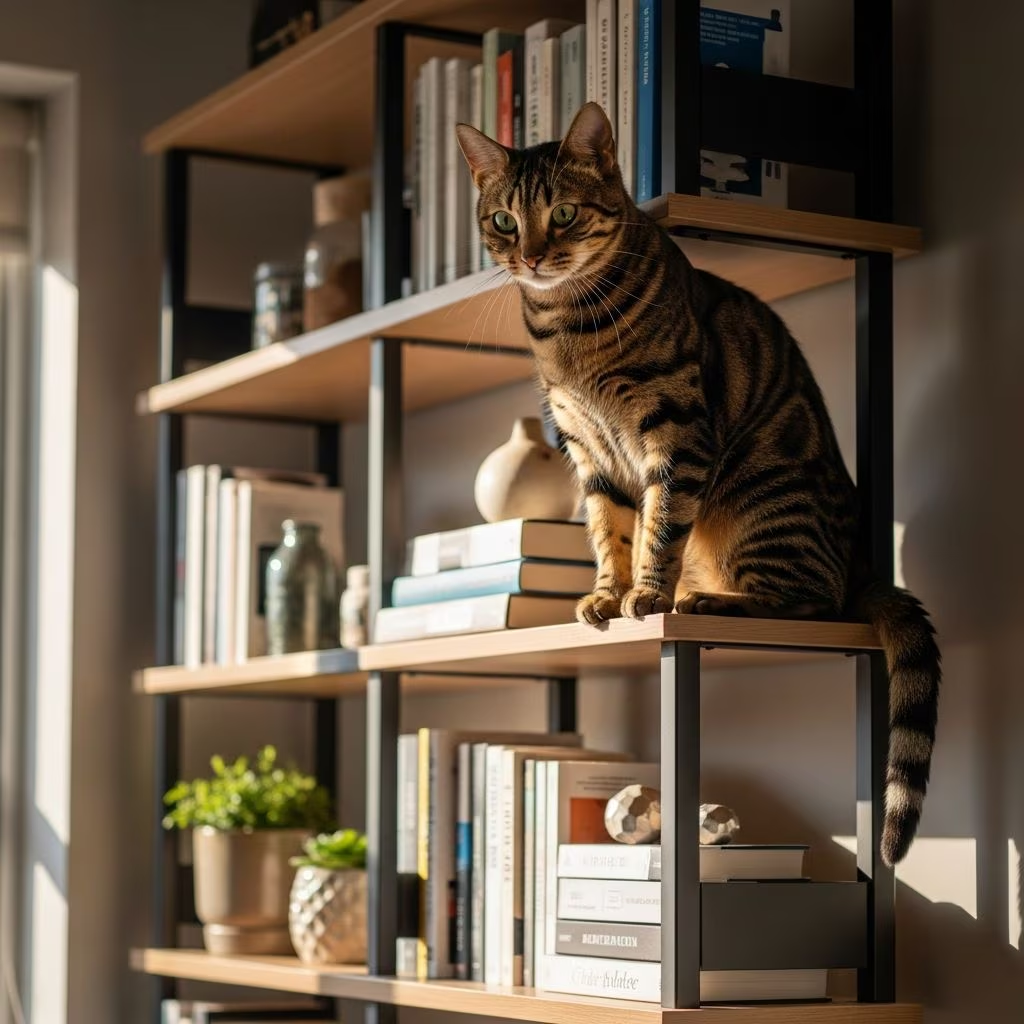
Cats have a natural affinity for high places, whether it’s the top of the refrigerator, bookshelf, or a tall cat tree. This behavior is deeply rooted in their instincts as both predators and prey in the wild, providing safety, observation points, and comfort in domestic settings.
It’s All About Instinct
Cats’ love for heights traces back to their evolutionary ancestors. Wild cats climbed trees to escape predators, stalk prey, and survey territories. Domestic cats retain this ‘hard-wired’ behavior, using elevation for survival tactics like spotting threats or hunting opportunities from above.
Predators by nature, cats perch high to track movement below, mimicking how feral cats pounce on prey. Even in homes, this instinct persists—your cat isn’t hunting you but instinctively seeks vantage points.
Their musculoskeletal system supports this: flexible spines, strong hind legs, and retractable claws enable leaps several times their body length vertically or horizontally. This anatomy makes climbing effortless and enjoyable.
High Places Offer Safety and Security
Elevated spots create a ‘safety zone’ for cats. From above, they monitor surroundings, detect dangers early, and avoid ground-level threats like dogs or other pets. In multi-cat homes, higher perches reduce stress by allowing escape and observation without confrontation.
Dominant cats claim the highest spots, establishing hierarchy. Submissive cats yield lower positions, shifting as the ‘leader’ moves. This vertical social structure minimizes fights and promotes calm.
- Surveys environment without interference
- Escapes overwhelming situations, like playful kittens or loud noises
- Feels in control, reducing anxiety
Mother cats often retreat high during weaning to gain space from demanding litters.
It’s Warmer Up High
Warm air rises, drawing cats to elevated, cozy spots. Cats have higher resting body temperatures (around 101-102°F), preferring warmth, especially those with thinner coats in winter.
High perches like radiator tops or fridge summits capture rising heat, ideal for napping. This thermoregulation instinct keeps them comfortable and energy-efficient.
High Spots Give Cats Personal Space
Cats cherish solitude. High places offer undisturbed retreats from household bustle, kids, or other pets. Bookcases, cabinets, or wardrobe tops become sanctuaries for recharging.
In shelters or clinics, vertical space prevents overcrowding stress. Providing shelves mimics this, enhancing welfare.
Cats Are Built for Heights
Exceptional balance and coordination define cats. Powerful hindquarters propel them upward, while claws anchor like grappling hooks. This design suits tree-climbing ancestors and modern furniture scaling.
They’re rarely ‘stuck’ in trees—descending head-first using claws. Indoors, drapes or shelves become playgrounds.
Your Cat Wants to Observe From Up High
Perching high lets cats oversee their domain, watching birds, family, or toys below. It’s both vigilant and entertaining, satisfying predatory curiosity without effort.
Climbing Equals Exercise and Fun
Jumping and climbing provide physical workouts, preventing obesity and boredom. It’s playful—cats turn furniture into obstacle courses, burning energy instinctively.
Bored cats may climb owners like trees for attention or stimulation. Enrichment like cat trees redirects this.
How to Create a Cat-Friendly Vertical Space
Support natural behaviors with safe elevations:
- Cat Trees: Multi-level with scratching posts for climbing and lounging.
- Shelves/Wall Units: Install floating shelves staggered for easy access.
- Window Perches: Suction-cup seats for bird-watching.
- Custom Climbers: DIY ramps or carpeted stairs for seniors.
Ensure stability to prevent falls. Multiple paths reduce competition in multi-cat homes.
| Enrichment Option | Benefits | Best For |
|---|---|---|
| Cat Tree | Climbing, scratching, napping | All ages, multi-cat homes |
| Wall Shelves | Space-saving, territory expansion | Apartment dwellers |
| Window Seat | Entertainment, sunlight | Bird lovers |
| Hammock Bed | Warmth, security | Older cats |
Health and Safety Tips
While beneficial, watch for issues:
- Falls: Secure furniture; avoid slick surfaces.
- Arthritis: Ramps aid aging cats.
- Overweight: Encourage climbing for fitness.
- Stress: Extra perches in busy homes.
Consult vets if sudden changes occur, ruling out medical causes.
Frequently Asked Questions (FAQs)
What if my cat climbs too much?
Redirect to appropriate structures; ensure ample playtime to curb excess energy.
Why does my kitten climb me?
Kittens test skills and seek heights; you’re the tallest ‘tree.’ Provide alternatives.
Can older cats still climb?
Yes, with adaptations like steps. It maintains muscle tone.
Is it bad if my cat sleeps high?
No, it’s natural for warmth and security. Ensure safe access.
How high can cats jump?
Up to 5-6 times body height, thanks to leg power.
References
- 4 Reasons Why Cats Love to Jump on Everything — Pet Townsend Vet. 2023-05-15. https://pettownsendvet.com/blog/4-reasons-why-cats-love-to-jump-on-everything/
- Why Do Cats Like to Be Up High? — The Cats Inn. 2024-02-10. https://catsinn.com/why-do-cats-like-to-be-up-high/
- Why Does My Cat Climb Me Like a Tree? — Cats.com. 2024-08-22. https://cats.com/why-does-my-cat-climb-me-like-a-tree
- The Forgotten, Evolutionary Reason Cats Love Being So High Up — Inverse. 2023-11-03. https://www.inverse.com/science/cats-love-heights-evolutionary-reason
- Understanding Why Cats Like High Places — Pet Assure. 2022-07-19. https://www.petassure.com/new-newsletters/understanding-why-cats-like-high-places/
- Why Cats Love To Climb — Doylestown Veterinary Hospital. 2024-01-12. https://www.doylestownveterinaryhospital.com/blog/why-cats-love-to-climb/
- Cat Behavior: Why Do Cats Love Climbing And High Places? — Rock the Cat Spa. 2023-09-28. https://www.rockthecatspa.com/spa-blog/cat-behavior-why-do-cats-love-climbing-and-high-places



