

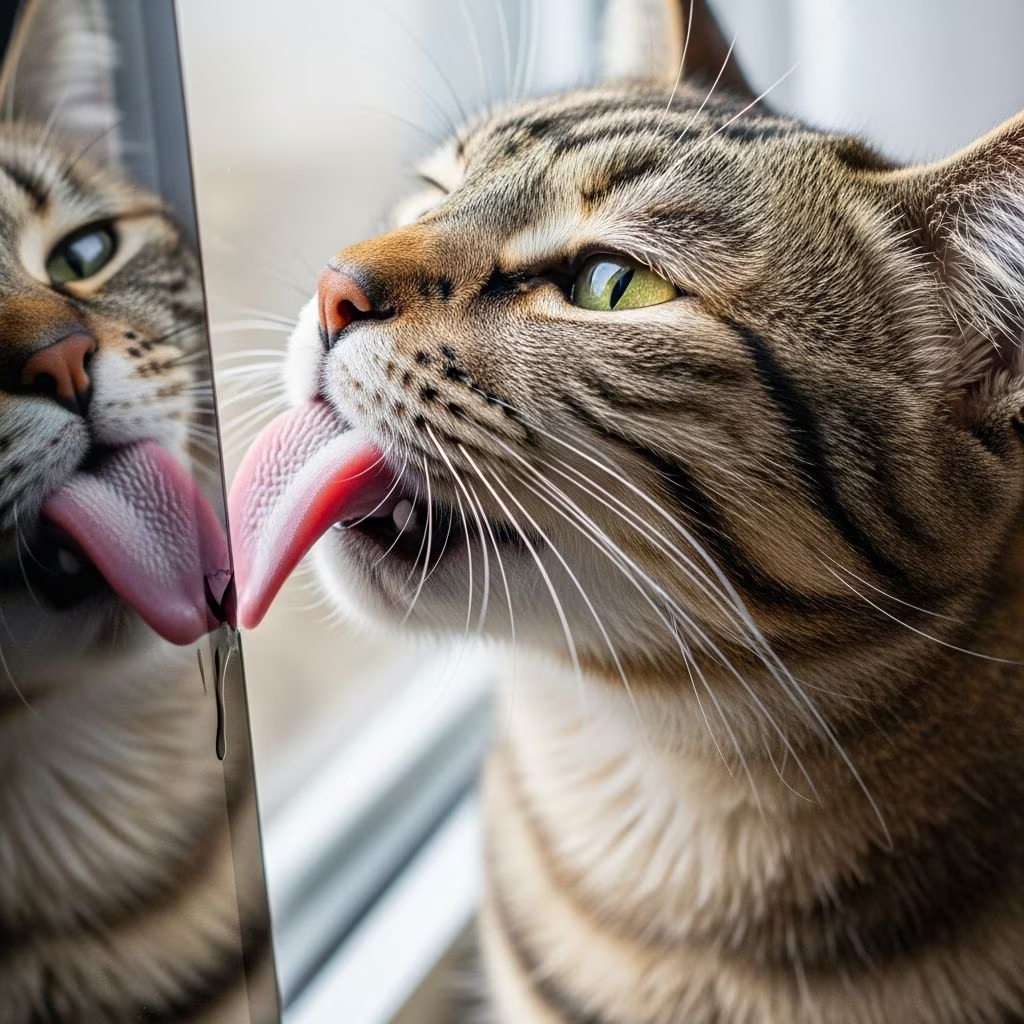
Cats exhibit a wide array of peculiar behaviors, and one that often puzzles pet owners is their tendency to lick windows and window screens. This seemingly odd habit can range from occasional curiosity to persistent licking that leaves streaks on the glass or tears in screens. Understanding why cats lick windows helps owners address underlying needs, prevent damage, and rule out health issues. Common triggers include environmental factors, instincts, nutritional gaps, or medical conditions like pica—a disorder where cats crave non-food items.
Window licking typically stems from a cat’s heightened senses detecting scents, tastes, or textures invisible to humans. Indoor cats, restricted from outdoor exploration, fixate on windows as portals to the world. This behavior spikes in summer with cool glass or coastal areas with salty residue. While harmless in moderation, excessive licking may signal boredom, stress, or illness. Monitoring frequency and context is key to discerning normal feline quirks from concerns requiring veterinary attention.
The 8 Reasons Cats Lick Windows
Cats lick windows for multifaceted reasons blending instinct, sensation, and circumstance. Below, we detail the primary motivations, drawing from veterinary insights and observed patterns in domestic cats.
1. Boredom
Boredom tops the list as a driver for window licking. Indoor cats, lacking stimulation, turn to household surfaces for entertainment. Licking provides sensory input through taste and texture, mimicking hunting or grooming rituals. Cats spend up to half their waking hours self-grooming, so extending this to windows fills idle time. Enrich environments with toys, perches, and play sessions to curb this. Interactive puzzles or window bird feeders redirect focus outdoors without physical access.
2. Condensation
Condensation forms tempting droplets on cool windows, especially in humid climates or air-conditioned homes. Lazy cats on sun-warmed sills lap these for easy hydration. Instinctually, wild cats avoid stagnant water harboring parasites, preferring ‘moving’ drips—much like faucet fascination. Ensure fresh bowls in multiple spots; elevated fountains appeal to instincts, reducing window reliance.
3. Curiosity
Cats explore via tongue and nose, not hands. A new cleaner, pollen, or smudge piques interest, prompting licks to ‘taste’ the unknown. Like toddlers mouthing objects, felines sample surfaces sans danger awareness. Opt for pet-safe cleaners (vinegar-water mixes) to minimize appeal. This exploratory lick often resolves post-investigation.
4. Outdoor Interaction
Windows serve as feline TVs, broadcasting birds, squirrels, and passersby. Chattering at prey mimics hunting; licking expresses frustration or connection attempts. Housebound cats ‘reach out’ tactilely, pressing noses and tongues to glass. Install decals or screens blocking direct views partially, or provide safe outdoor enclosures (catios) for real interaction.
5. Plastic Windows
Not all windows are glass; plastic storm varieties may contain beef tallow (rendered fat) from manufacturing. Cats’ acute noses detect this, drawn as omnivores to meaty scents. Similar to plastic bag obsession, it triggers licking. Inspect window materials; replace appealing plastics with glass or apply bitter sprays.
6. Salt
Coastal dwellers note salty film from sea spray on muggy days acting as a ‘free lick.’ Salt-craving cats partake, though not universally appealing. Monitor intake to avoid excess sodium; clean windows promptly post-spray events. This seasonal trigger resolves with weather shifts.
7. Temperature
Hot cats seek cool relief; chilled glass offers respite via evaporative cooling from licks. Preferable in unshaded home areas. Provide cooling mats, fans, or frozen treats instead. Behavior peaks in heatwaves, easing as temperatures drop.
8. Texture
Smooth glass or gritty screens intrigue texture-oriented cats. Dry licking sans moisture confirms preference. Offer alternatives like licking mats or textured toys mimicking appeal without damage.
The 2 Reasons Cats Lick Window Screens
Window screens invite unique licks beyond glass reasons. Their mesh traps scents and critters, amplifying allure.
9. Bugs
Screens snag insects during breezy evenings, creating bug buffets. Trapped flies, moths draw licks to savor or extract. Clean screens regularly; use fine-mesh deterring entry. Cats view this as prime hunting.
10. Texture and Scent Buildup
Rough weave and accumulated pollen/dirt entice. Reinforces window texture appeal. Vacuum screens; bitter coatings discourage.
Is It a Problem If My Cat Licks Windows?
Occasional licks pose no issue, fulfilling instincts safely. Problems arise with:
- Excessive persistence: Streaks, damaged screens indicate compulsion.
- Weight loss/anemia: Pica symptoms from nutritional deficits.
- Ingestion risks: Screen fibers or toxins from cleaners.
- Stress signals: Paired with hiding, aggression.
Track duration; intervene if over 30 minutes daily. Cleanliness prevents bacterial buildup from saliva.
How Do I Get My Cat to Stop Licking Windows?
Deterrence blends redirection and root-cause fixes:
- Enrich environment: Toys, climbers, daily 15-minute play.
- Block access: Furniture barriers, blinds.
- Clean thoroughly: Remove attractants weekly.
- Bitter deterrents: Pet-safe sprays (citrus-based).
- Alternatives: Licking mats with tuna, fountains.
- Vet consult: For pica, diet tweaks.
Consistency yields results in weeks. Reward non-licking with treats.
Reader Questions Answered
Q: Why does my cat lick the window at night?
A: Nighttime bugs or cool condensation peak then. Moth activity draws predator instincts; provide night toys.
Q: My cat licks windows and plastic bags—is it pica?
A: Possible; vet rules out deficiencies. Common in weaned kittens, stress cases.
Q: Does window licking mean my cat is thirsty?
A: Often, especially with drips. Multiple fresh bowls help.
Q: Can I use tape to stop screen licking?
A: Double-sided works temporarily; pair with cleaning.
Q: Is licking screens dangerous?
A: Fibers risk blockages; monitor, reinforce screens.
When to See a Vet
Consult if licking accompanies vomiting, lethargy, fur loss, or persists post-intervention. Bloodwork detects anemia from pica. Causes include:
| Cause | Symptoms | Treatment |
|---|---|---|
| Medical (anemia) | Pale gums, weakness | Supplements, diet change |
| Nutritional imbalance | Weight loss | Balanced food |
| Stress/Compulsion | Anxiety signs | Enrichment, Feliway |
| Genetics | Orientals prone | Behavioral therapy |
Patience aids resolution; early vet input prevents escalation.
References
- Why Do Cats Lick Windows & Screens? 8 Likely Reasons — Hepper. 2023. https://articles.hepper.com/why-do-cats-lick-windows-screens/
- Why Does My Cat Lick Everything? — ASPCA Pet Health Insurance. 2023. https://www.aspcapetinsurance.com/resources/why-cats-lick/



