

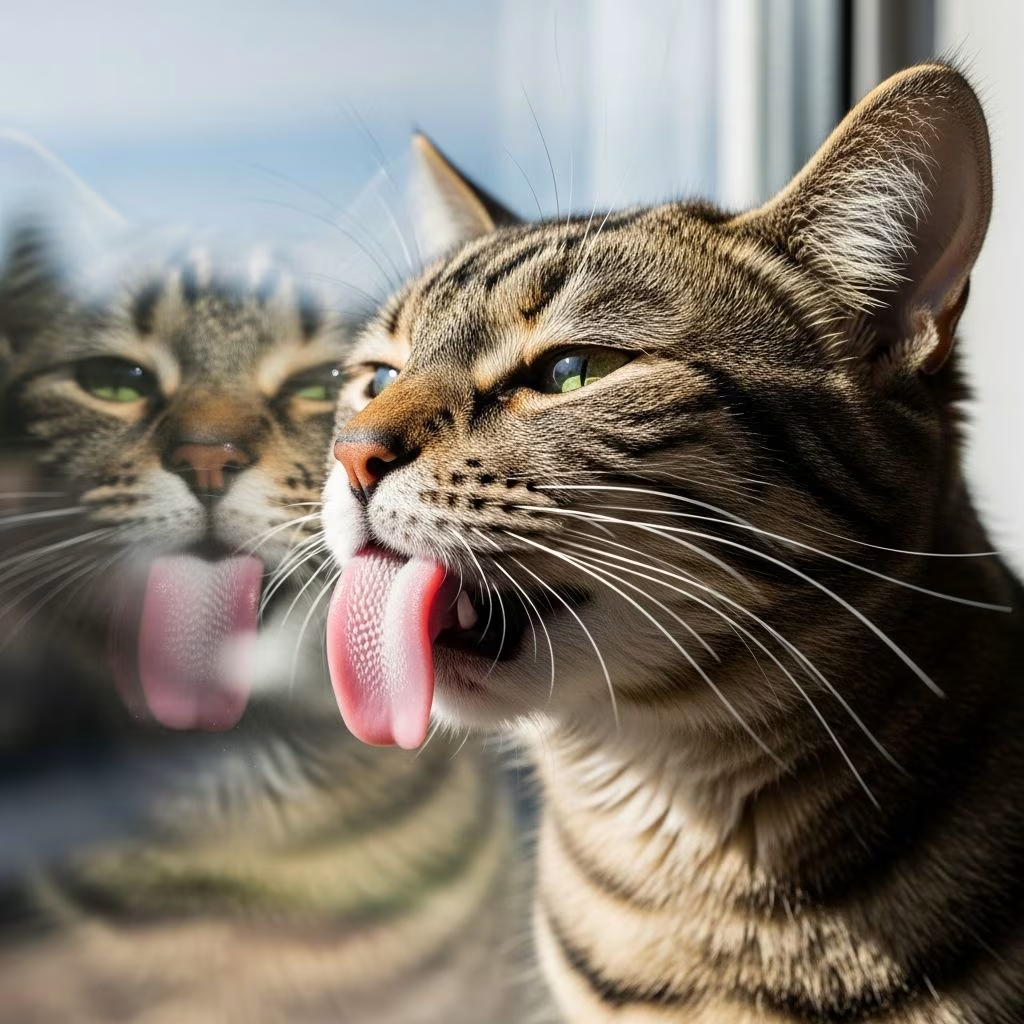
Cats exhibit a wide array of peculiar behaviors, and licking windows or screens ranks high among them. This habit can puzzle cat owners, leaving them wondering if it’s normal or a sign of trouble. While often harmless, understanding the motivations behind it helps ensure your pet’s health and happiness. Common triggers include thirst from condensation, curiosity about scents or sights, and even nutritional needs. In this comprehensive guide, we delve into the primary reasons cats engage in this quirky activity, specific factors for window screens, potential health concerns, and practical solutions to redirect the behavior.
Why Do Cats Lick Windows? 8 Likely Reasons
Windows attract cats for their views of the outdoors, but licking adds an extra layer of intrigue. Cats explore the world primarily through smell and taste, making glass surfaces prime investigation spots. Here are the eight most likely explanations for this window-licking phenomenon.
1. Boredom
Boredom tops the list as a culprit for many odd cat behaviors, including window licking. Indoor cats, deprived of stimulation, may turn to household items for entertainment. Licking provides sensory feedback through taste and texture, offering temporary relief from monotony. Enriching their environment with toys, scratching posts, and interactive play sessions can curb this effectively.
2. Condensation
During humid or cold weather, moisture beads up on windows, creating an accessible water source. Cats, especially those lounging on sills, find it convenient without moving. Instinctually, they prefer moving water over stagnant bowls, mimicking wild streams safer from contaminants. This explains the appeal of dripping condensation, though owners should ensure fresh water bowls are always available nearby.
3. Curiosity
Cats investigate novel items via licking and sniffing, differing from human touch-based exploration. A recent window cleaner or environmental change might pique interest, prompting a taste test. Opt for pet-safe cleaning products to avoid toxicity risks. This exploratory licking usually fades once the novelty wears off.
4. Outdoor Interaction
House cats peer through windows at birds, squirrels, or passersby, chattering excitedly. Licking serves as an attempt to “connect” closer, bridging the barrier between indoors and out. It’s a frustrated expression of hunting instincts, harmless but indicative of a desire for more engagement.
5. Plastic Windows
Not all windows are glass; some use plastic with beef tallow—a rendered fat appealing to cats’ omnivorous senses. Their superior noses detect residues undetectable to humans, drawing tongues to these surfaces. Check window materials if licking persists on non-glass panes.
6. Salt
Coastal dwellers or those near saltwater may notice salt residue on windows after muggy days. Certain cats savor this flavor, treating the glass like a natural salt lick. It’s not universal, but for salt-loving felines, it’s irresistible.
7. Temperature
On hot days, cool glass offers relief. Cats press against or lick chilly surfaces to regulate body heat, especially in shaded home areas. This thermoregulatory behavior is adaptive and temporary.
8. Texture
Smooth glass provides a unique tactile sensation on rough cat tongues. Even sans condensation, some cats relish the feel, exploring textures as part of their sensory world. It’s akin to kneading fabrics—pure enjoyment.
The 2 Reasons Cats Lick Window Screens
Window screens invite climbing and clawing, but licking stands out. Sharing reasons with windows, screens have unique draws due to their mesh design and outdoor proximity.
9. Bugs
Screens trap insects drawn to evening breezes, creating a buffet for cats. Trapped bugs emit enticing scents and movements, prompting licks to savor or “hunt.” Regular cleaning prevents pest buildup and health risks from ingesting insects.
10. Breeze and Scents
Open windows let breezes carry outdoor aromas—flowers, prey, or earth—through screens. Cats lick to fully experience these scents, their Jacobson’s organ enhancing chemical detection. It’s an immersive sensory delight.
Is Window Licking Harmful?
Occasional licking poses little threat, but frequency matters. Glass cleaners may contain chemicals irritating stomachs or worse. Screens risk bacterial transfer from bugs. Monitor for vomiting, diarrhea, or lethargy—signs of ingestion issues.
When to See a Vet
Consult a veterinarian if licking escalates or accompanies symptoms like weight loss, excessive thirst, or pica (eating non-foods). Underlying issues include:
- Compulsive behavior: Stress-induced repetition.
- Genetics: Breed predispositions to wool-sucking or pica.
- Medical problems: Dental pain, nausea prompting odd cravings.
- Nutritional imbalance: Deficiencies driving non-food consumption.
- Stress: Environmental changes causing anxiety licking.
Vets diagnose via exams, bloodwork, ruling out anemia or hyperthyroidism. Patience is key; behavior modification takes time.
How to Stop Cats from Licking Windows & Screens
Redirecting is preferable to punishment. Strategies include:
- Provide ample fresh water fountains for flowing hydration.
- Enrich environment: puzzle feeders, cat trees, window perches with toys.
- Use pet-safe cleaners and barrier films on licked spots.
- Increase playtime mimicking hunts to combat boredom.
- For screens, install tighter mesh or bug zappers outside.
- Address pica with diet tweaks or supplements per vet advice.
Consistency yields results, fostering healthier habits.
Frequently Asked Questions (FAQs)
Why does my cat lick the window at night?
Nighttime licking often ties to cooler condensation, nocturnal bugs on screens, or heightened curiosity during quiet hours when senses sharpen.
Is it normal for kittens to lick windows?
Yes, kittens explore voraciously; it diminishes with age as they learn boundaries, but monitor for pica signs.
Why does my cat lick plastic windows specifically?
Plastic may contain animal fats like beef tallow, irresistible to their noses and tastes.
Can window licking indicate dehydration?
Possibly; ensure multiple water sources. If licking persists despite hydration, check for medical causes.
How do I clean windows to deter licking?
Use vinegar-based, pet-safe solutions; the sour taste discourages repeats without harm.
| Trigger | Symptoms/Indicators | Solutions |
|---|---|---|
| Condensation | Weather-dependent, sill lounging | Water fountain, bowls |
| Bugs on Screens | Near open windows, chattering | Clean screens, screens tightly |
| Boredom | Indoor-only, lethargy elsewhere | Toys, play sessions |
| Pica | Other non-foods, weight loss | Vet visit, diet change |
References
- Why Do Cats Lick Windows & Screens? 8 Likely Reasons — Hepper Pet Resources. 2023-05-15. https://articles.hepper.com/why-do-cats-lick-windows-screens/
- 10 Reasons Cats Love Windows — Chewy Education. 2022-11-10. https://www.chewy.com/education/cat/general/10-reasons-cats-love-windows
- Why Does My Cat Lick Everything? — ASPCA Pet Health Insurance. 2024-03-22. https://www.aspcapetinsurance.com/resources/why-cats-lick/
- Understanding Feline Pica and Ingestive Behaviors — Cornell University College of Veterinary Medicine. 2023-08-01. https://www.vet.cornell.edu/departments-centers-and-institutes/cornell-feline-health-center/health-information/feline-health-topics/pica
- Behavioral Reasons for Inappropriate Oral Behaviors in Cats — Journal of Feline Medicine and Surgery (Sage Journals). 2024-01-15. https://journals.sagepub.com/doi/full/10.1177/1098612X231224567



