

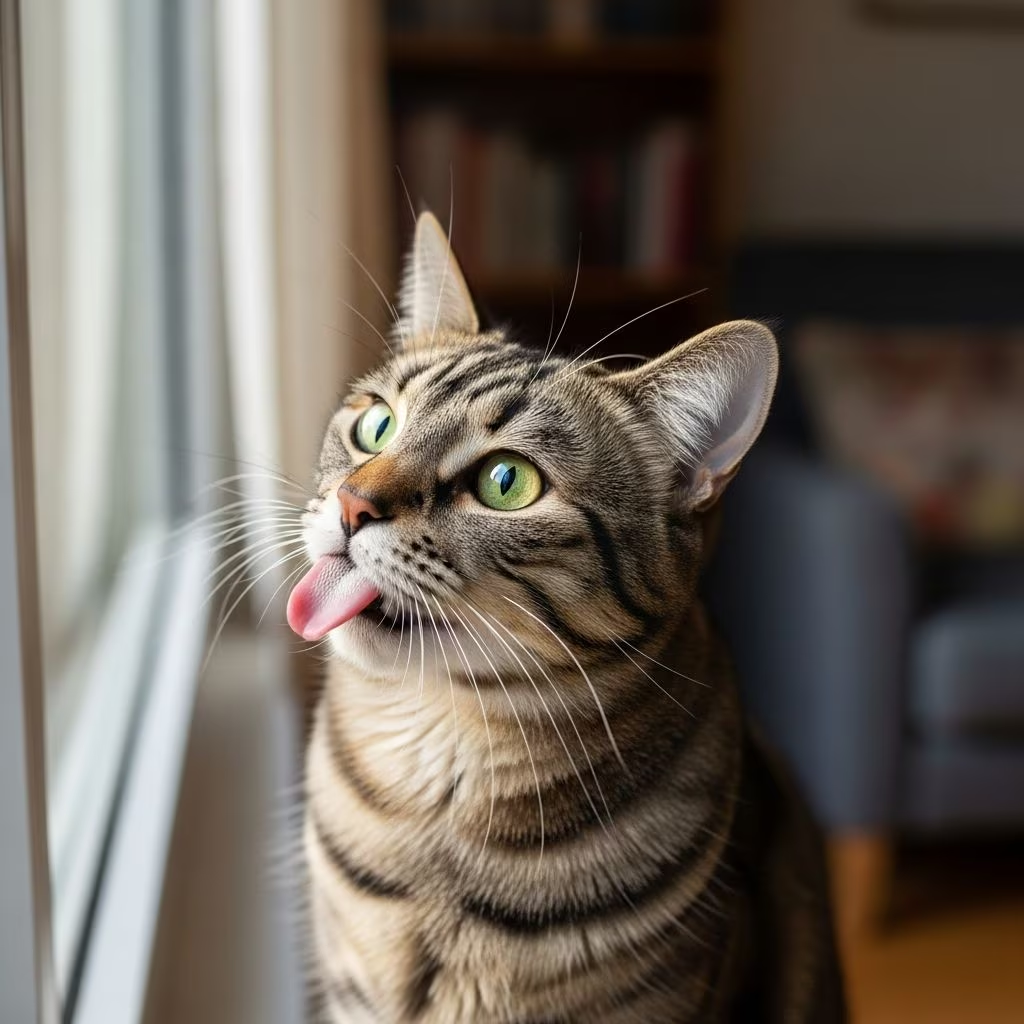
Observing your cat perched on the windowsill, tongue darting across the glass or screen, can be both amusing and puzzling. This quirky behavior is more common than you might think among felines. Cats lick windows and screens for a variety of instinctual, sensory, and environmental reasons. While usually harmless, understanding the motivations behind it helps cat owners ensure their pet’s well-being and home remains intact. In this comprehensive guide, we’ll dive into the top reasons, potential risks, and practical solutions.
The 9 Reasons Why Cats Lick Windows and Window Screens
Cats are driven by powerful instincts honed over thousands of years in the wild. Domestic life doesn’t erase these traits, leading to unexpected habits like window licking. Here’s a detailed breakdown of the most likely explanations.
1. Condensation: Nature’s Running Water Fountain
Cats have an innate preference for running water, a survival instinct from their wild ancestors. Stagnant water sources harbor bacteria and parasites more readily than flowing streams, so felines evolved to seek moving water for safer hydration. When warm indoor air meets cold window glass, condensation forms—droplets that mimic trickling water. Your cat perceives this as fresh, clean H2O and laps it up eagerly.
This isn’t sufficient for full hydration, but it satisfies a momentary thirst or the joy of ‘hunting’ water. Kittens often display this behavior most prominently, but adults retain the preference. If your cat ignores their bowl in favor of windows, consider a pet fountain to replicate running water and reduce licking.
2. Taste: Irresistible Flavors on Glass
Windows accumulate intriguing residues that appeal to a cat’s discerning palate. Cleaning product scents, mineral deposits from hard water, or even outdoor pollutants can taste appealing. Some cats savor the soapy or chemical tang left by sprays—though this poses risks we’ll discuss later. The cool, smooth surface adds sensory pleasure, making licking a multi-sensory treat.
Pro tip: Switch to pet-safe, vinegar-based cleaners to deter tasting while keeping glass streak-free. Always rinse thoroughly to avoid residue buildup.
3. Attention-Seeking: Your Reaction Fuels the Habit
Cats are masters of behavioral conditioning. If licking prompts petting, talking, or play from you—even scolding—it reinforces the action. What starts as curiosity evolves into a reliable attention-grabber. Bored or lonely cats amplify this, using windows as a stage for interaction.
Ignore the behavior initially, then redirect with toys or affection on your terms to break the cycle without rewarding it.
4. Curiosity: Exploring with Tongue and Nose
Felines investigate their world primarily through smell and taste, lacking hands for manipulation. A new cleaner, bird silhouette, or unfamiliar scent on the glass sparks curiosity. Young cats, with their boundless exploratory drive, are prime culprits. One lick confirms safety or novelty, potentially leading to repeats.
This peaks in kittens and adolescents but can persist in playful adults. Enrich their environment with scratching posts and puzzle feeders to channel curiosity productively.
5. Outdoor Fascination: Getting Closer to the Action
Indoor cats live vicariously through windows, chattering at birds or squirrels. Licking bridges the gap, as if tasting the outdoors. Frustration from glass barriers prompts closer ‘contact’ via tongue.
Install bird feeders just out of reach or use window perch seats to enhance viewing without licking.
6. Window Material: The Allure of Plastic and Tallow
Not all windows are glass; plastic storm windows or screens often contain beef tallow (rendered fat) from manufacturing. Cats’ acute noses detect this meaty essence, turning the surface into a savory lick.
Glass lacks this, so plastic-heavy setups see more action. Check your windows’ composition and consider glass alternatives if licking is obsessive.
7. Salt Deposits: Coastal Cat Treats
In humid, coastal areas or near saltwater, fine salt layers form on windows during misty weather. Salt-loving cats treat this like a natural lick, drawn to the mineral tang.
Wipe windows post-fog and monitor intake—excess salt isn’t ideal for felines.
8. Temperature Relief: Cooling Down on Hot Days
Cold glass soothes overheated cats, especially in unshaded rooms. Licking transfers heat away via evaporation, providing instant relief akin to panting.
Offer cooling mats or fans to prevent over-reliance on windows.
9. Texture Sensation: Smooth or Rough Appeal
Cats adore specific textures—glass’s silky glide or screens’ mesh contrast delights papillae on their tongues. Even dry windows get licks for the novel feel.
Provide textured toys or mats mimicking these for safe exploration.
The 2 Main Reasons Cats Lick Window Screens Specifically
Screens add unique enticements beyond windows. Their porous weave traps scents and critters, amplifying appeal.
1. Trapped Bugs: Protein Snacks Galore
Screens snag flies, moths, and ants, which die and secrete enticing juices. Cats lick to savor bug flavors, a predatory instinct in action. Regular cleaning prevents infestations.
- Prevention: Vacuum screens weekly; use bug zappers outside.
- Redirect: Offer insect-shaped toys with catnip.
2. Airflow and Scents: Breezy Aromas
Open screens waft outdoor smells—pheromones, prey scents—prompting licks to ‘capture’ them. Evening breezes heighten this.
Use screen barriers or indoor herb gardens for scent stimulation.
Is Cat Window Licking Harmful?
Generally, no—licking poses minimal risk for healthy cats on clean windows. However, watch for these concerns:
| Risk Factor | Potential Issue | Solution |
|---|---|---|
| Toxic Cleaners | Chemical ingestion leading to poisoning | Pet-safe cleaners only; rinse well |
| Pica (Excessive Licking) | Nutritional deficiency, stress, or illness | Vet check for anemia, anxiety |
| Bacterial Buildup | GI upset from dirt/grime | Clean windows/screens routinely |
| Dehydration Signal | Ignoring bowl water | Install water fountain |
Consult a vet if licking becomes obsessive, accompanies vomiting, or persists despite interventions. Rule out medical causes like hyperthyroidism or dental pain.
How to Stop Your Cat from Licking Windows and Screens
Redirect rather than punish to avoid stress. Strategies include:
- Environmental Enrichment: Window perches, toys, vertical space.
- Water Alternatives: Fountains, dripping faucets (supervised).
- Cleaning Routine: Non-toxic products; barrier films on hotspots.
- Play Therapy: Daily sessions to combat boredom.
- Screen Protection: Mesh guards or temporary covers.
Consistency yields results in 1-4 weeks. Track progress in a journal.
Frequently Asked Questions (FAQs)
Is it normal for cats to lick windows?
Yes, it’s a common, usually benign behavior driven by instincts and curiosity.
Why does my cat lick windows at night?
Nighttime condensation peaks, plus bugs and cooler temps draw nocturnal licks.
Can window licking cause health issues?
Rarely, unless toxic residues are involved. Vet evaluation recommended for excess.
How do I discourage screen licking?
Clean bugs promptly, use deterrents like citrus sprays, and provide alternatives.
Do all cats lick windows?
No, but curious, indoor-only cats are most prone.
References
- Why Does My Cat Lick Windows & Window Screens? Behaviour — Catster. 2023. https://www.catster.com/cat-behavior/why-does-cat-lick-windows-and-window-screens/
- Why Do Cats Lick Windows & Screens? 8 Likely Reasons — Hepper. 2024. https://articles.hepper.com/why-do-cats-lick-windows-screens/
- 10 Reasons Cats Love Windows — Chewy. 2023. https://www.chewy.com/education/cat/general/10-reasons-cats-love-windows
- Why Does My Cat Lick Everything? — ASPCA Pet Health Insurance. 2024. https://www.aspcapetinsurance.com/resources/why-cats-lick/



