

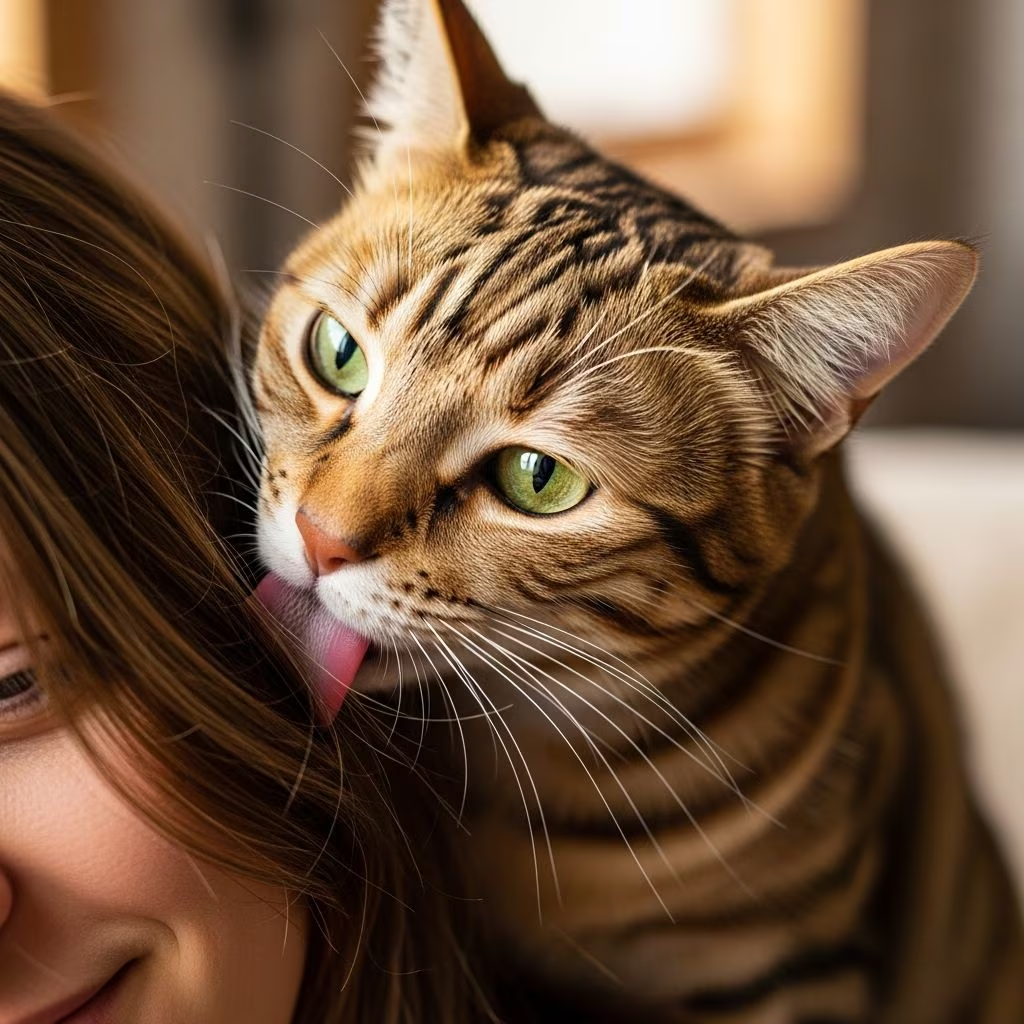
Your cat’s tongue on your hair might feel strange, but it’s a common feline behavior with deep roots in their instincts. Cats lick human hair primarily to show affection through allogrooming, mark you with their scent, or respond to appealing smells and textures from shampoos or damp strands. While often harmless and endearing, excessive licking or chewing can signal issues like stress, nutritional deficiencies, or pica, potentially leading to health risks such as intestinal blockages.
This comprehensive guide breaks down the science-backed reasons, when to be concerned, and practical ways to redirect the habit, drawing from veterinary insights and behavior experts. Understanding these motives strengthens your bond and keeps both you and your cat healthy.
Reasons Why Your Cat Licks Your Hair
Cats are fastidious groomers, spending up to 50% of their waking hours licking themselves to clean, cool down, and regulate emotions. Extending this to your hair treats you as part of their social group. Here are the primary motivations:
Allogrooming: Treating You Like Family
Allogrooming is mutual grooming among cats, where mothers lick kittens for hygiene and comfort, and littermates reinforce bonds. When your cat licks your hair, they’re including you in this ritual, viewing you as a fellow clan member or “giant hairless kitten.” Cat behaviorist Mikel Delgado notes this as a top sign of affection, akin to kneading or gift-giving.
This behavior strengthens social ties in cat colonies (clowders), releasing endorphins for all involved. If accompanied by purring, head-butts, or slow blinks, it’s pure love—your cat is caring for you.
Scent Marking: Claiming You as Theirs
Cats navigate via pheromones from facial glands and saliva. Your hair traps scents from shampoo, pillows, and your skin, making it a prime marking spot. Licking mixes their saliva (with unique scent proteins) onto you, creating a communal “group scent” that signals to other cats: “This human belongs to me”.
This territorial act is especially common in multi-cat homes or with visitors, reinforcing ownership without aggression.
Kittenhood Comfort and Regression
Cats weaned too early may retain nursing instincts, triggered by hair’s texture mimicking mother’s fur. Combined with kneading (“making biscuits”) and loud purring, hair licking becomes self-soothing, like a pacifier for kittens. Breeds like Siamese are prone due to genetic wiring.
Why Hair Specifically? Sensory Attractions
Hair isn’t random—cats target it for its unique sensory profile.
- Wet Hair Fascination: Post-shower, damp hair amplifies natural oils and body scents via water, which cats’ 200 million olfactory receptors detect keenly. Many enjoy the moisture itself, treating you like a “feline fountain”.
- Shampoo and Product Appeal: Fruity, coconut, olive oil, or protein-rich shampoos smell like prey or treats to cats. What you call “lavender fresh” is a savory snack to them. Avoid toxic products like minoxidil (Rogaine), fatal if ingested.
- Texture and Play: Long, swinging hair mimics toys. Playful licks may escalate to nibbles or swats if bored.
When Cat Hair Licking Becomes a Concern
Occasional licks are fine, but chewing or swallowing signals problems. Watch for frantic licking, bald spots from over-grooming, or ingested hairballs.
Pica: Compulsive Non-Food Craving
Pica drives cats to eat inedibles like hair, wool, or plastic, risking blockages. Causes include anemia, fiber deficiency, boredom, or genetics (e.g., Siamese, Birman). Swallowed hair can form dangerous trichobezoars (hairballs) in intestines.
Stress, Anxiety, and Displacement
Licking soothes like nail-biting in humans, releasing calming endorphins. Triggers: moves, new pets, loud noises, routine changes. Excessive self-licking leads to skin issues; redirected to you, it’s a cry for help.
Medical Issues: Hyperthyroidism and More
Senior cats (over 10) with hyperthyroidism may lick/chew excessively alongside weight loss, voracious appetite, and unkempt coats. Skin allergies, fleas, pain (arthritis), or infections prompt soothing licks. Vet bloodwork rules out these.
| Normal Licking | Concerning Chewing |
|---|---|
| Gentle, occasional; with affection signs | Aggressive, swallowing attempts; frantic |
| Post-shower or bedtime | Constant, ignoring toys/food |
| No health changes | Weight loss, lethargy, hairballs |
How to Stop or Redirect Cat Hair Licking
Don’t punish—redirect positively to preserve trust.
- Switch Products: Use unscented, cat-safe shampoos. Rinse thoroughly; dry hair fully.
- Enrich Environment: Provide toys, scratching posts, puzzle feeders to combat boredom. Daily play (15-30 mins) mimics hunting.
- Positive Reinforcement: Reward calm behavior with treats/praise. Ignore or gently push away during licks.
- Comfort Aids: Feliway diffusers for anxiety; vet for anti-anxiety meds if severe.
- Vet Check: Blood tests for thyroid/nutrition; diet upgrades (high-fiber for pica).
For pica, cone collars prevent ingestion temporarily while addressing roots. Multi-cat harmony via separate resources reduces stress marking.
Frequently Asked Questions (FAQs)
Is it safe for my cat to lick my hair?
Usually yes for gentle licks, but chewing risks blockages. Avoid toxic products; monitor for pica.
Why does my cat lick my hair only after showers?
Damp hair intensifies scents and moisture, acting as a sensory magnet.
Does hair licking mean my cat is stressed?
Not always—often affection. But excessive with changes signals anxiety; enrich environment.
Can I train my cat to stop?
Yes, via redirection, play, and ignoring. Consistency is key; consult behaviorist for compulsions.
What breeds lick hair more?
Oriental breeds (Siamese, Birman) due to pica predisposition.
Hair licking blends instinct, love, and curiosity. By decoding it, you foster a happier cat-human duo. If persistent or with symptoms, vet consult ensures all’s well.
References
- Why Does My Cat Keep Licking My Hair? 5 Key Motives Behind This Feline Behavior — LadyNPet. 2023. https://ladynpet.com/us/blog/why-does-my-cat-keep-licking-my-hair-5-key-motives-behind-this-feline-behavior/
- Understanding and Addressing Excessive Hair Licking in Cats — Little Silver Animal Hospital. 2024. https://littlesilveranimalhospital.com/blog/excessive-hair-licking-in-cats/
- Why Your Cat Licks Your Hair And What To Do About It — Rover.com. 2023-05-15. https://www.rover.com/blog/why-does-my-cat-lick-my-hair/
- Cat Licking: What’s Behind This Common Feline Behavior? — St. Paul Pet Hospital. 2024. https://stpaulpet.com/blog/cat-licking/
- Why Does My Cat Lick Me? 7 Common Reasons — PetMD. 2024-01-10. https://www.petmd.com/cat/behavior/why-does-my-cat-lick-me
- Why Does My Cat Lick My Hair? — Cats.com. 2023. https://cats.com/why-does-my-cat-lick-my-hair



