

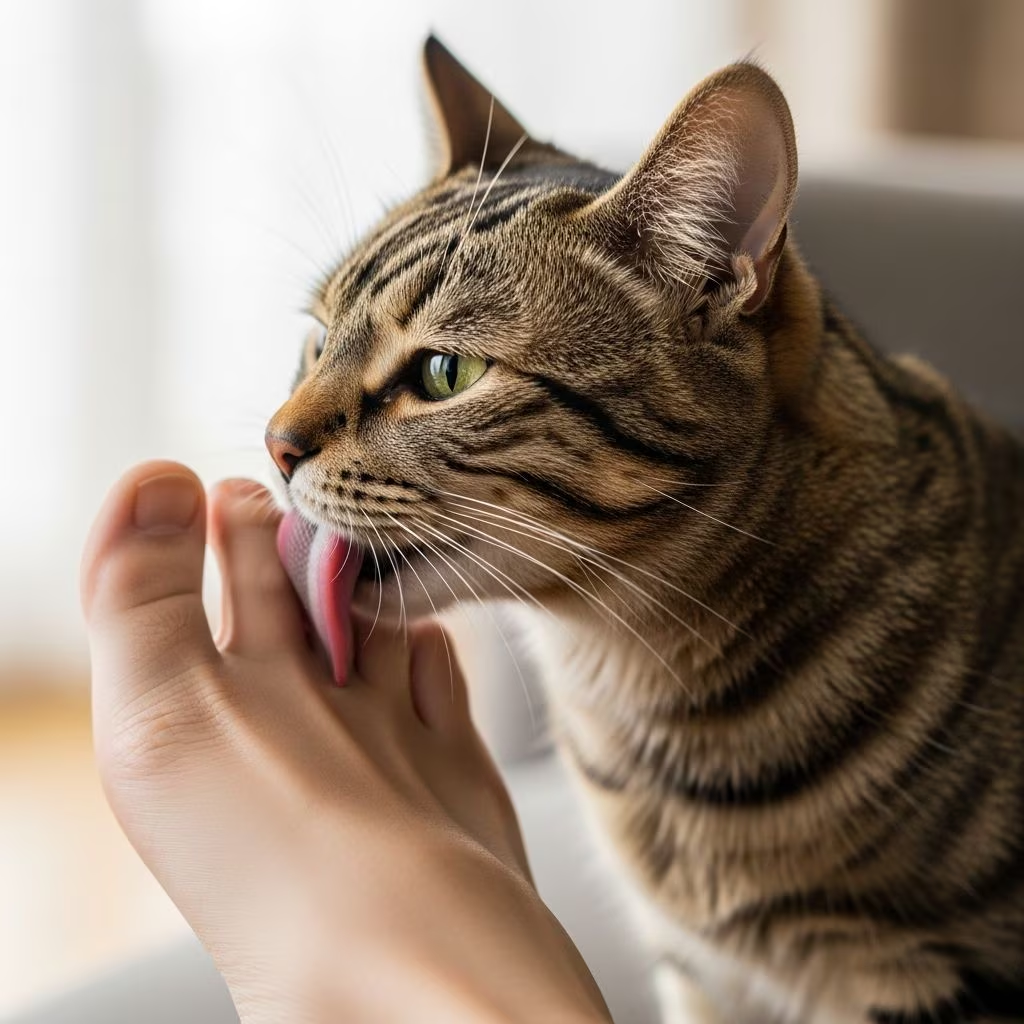
Cats exhibit fascinating behaviors that strengthen their bond with humans, and licking feet or toes is one of the most common. This action often stems from instinctual drives like grooming, scent communication, or sensory appeal. Understanding these reasons helps cat owners appreciate their pet’s affection while monitoring for potential health issues.
The 5 Reasons Why Cats Lick Your Feet & Toes
Cat behavior experts identify several key motivations for this quirky habit. Feet are particularly appealing due to their scent concentration from sweat glands, making them prime targets for feline attention.
1. Your Cat Is Offering Mutual Grooming
Allogrooming, or mutual grooming, is a vital social behavior among cats that extends to their human companions. In the wild, cats groom each other to reinforce bonds and show trust. When your cat licks your feet, it’s reciprocating the affection you provide through pets and scratches. Feet attract cats because they carry strong personal scents, mimicking the natural odors cats encounter during social interactions.
This behavior mirrors how mother cats groom kittens, fostering family ties. Domestic cats view their owners as part of their social group, so licking feet becomes an invitation for closeness. It’s especially common after you’ve been petting them, as it completes the grooming exchange. If your cat head-butts or rubs against you first, followed by licking, it’s a clear sign of deep affection.
2. Your Cat Is Marking Territory
Cats possess scent glands in their cheeks, forehead, and paws, using them to claim ownership. Licking deposits saliva containing unique pheromones onto your skin, effectively marking you as ‘theirs.’ Feet are ideal for this because they frequently contact the ground and other surfaces, spreading the scent widely.
This territorial marking reassures your cat that you belong to their family unit, deterring other animals. It’s similar to bunting, where cats rub their faces on you. In multi-cat households, you might notice increased licking on feet to assert dominance or affection over shared humans. This instinct dates back to feral cat colonies, where scent-marking maintains social hierarchies.
3. Your Cat Likes a Certain Taste
Human feet produce sweat rich in salts, sugars, and natural oils, which appeal to cats’ discerning palates. Cats are drawn to salty, musky flavors, explaining why they target freshly showered or sweaty feet. Lotions, soaps, or even dead skin cells add variety, turning your toes into a feline delicacy.
Research on feline taste preferences shows cats seek out umami and salty compounds, abundant in human perspiration. This sensory attraction is harmless unless it leads to over-grooming. Owners often report cats licking more after workouts or barefoot lounging, confirming the taste factor.
4. Your Cat Is Seeking Attention
Cats are masters of manipulation, learning that licking prompts reactions. If you’ve ever laughed, pulled away, or petted them during a lick session, you’ve reinforced the behavior. Even negative responses like ‘no’ provide engagement, preferable to being ignored.
This attention-seeking peaks when cats feel bored or neglected. Feet are accessible when you’re sitting or sleeping, making them a convenient target. Kittens weaned early may lick as a remnant of nursing, combining comfort with solicitation. Providing interactive toys or playtime can reduce this if it becomes excessive.
5. Your Cat Might Be Stressed or Have a Medical Issue
While often benign, persistent licking can signal anxiety. Cats self-soothe through grooming during stress from changes like new pets, moves, or loud noises. Excessive saliva deposition might indicate compulsive behavior.
Medical concerns include allergies, infections, parasites, or pain prompting redirected licking. Paw allergies to pollen or food cause itching, leading cats to lick human feet nearby. Flea bites or yeast infections create discomfort, with licking as relief. Inflammatory conditions like bowel disease may manifest as nausea-driven licking. Consult a vet if accompanied by hair loss, redness, or lethargy.
Is It Normal for Cats to Lick Your Feet?
Yes, occasional foot-licking is normal and reflects healthy bonding. Cats lick to communicate trust and integrate you into their scent profile. However, monitor frequency: daily sessions under 5 minutes are fine, but hours-long episodes warrant investigation.
- Affectionate licking: Gentle, intermittent, with purring.
- Problematic licking: Intense, obsessive, with agitation signs.
Should I Let My Cat Lick My Feet?
Moderation is key. Cat saliva harbors bacteria like Pasteurella, risking infections on cuts. It’s safe for intact skin but discourage if you have wounds or diabetes. Gently redirect with toys or treats to maintain the bond without hygiene risks.
| Pros of Allowing Licking | Cons of Allowing Licking |
|---|---|
| Strengthens emotional bond | Bacterial transmission risk |
| Fulfills cat’s grooming instinct | Potential for over-stimulation |
| Indicates trust and contentment | May encourage attention-seeking |
What Should I Do If My Cat Licks My Feet Excessively?
Address underlying causes systematically:
- Observe patterns: Note triggers like time of day or recent changes.
- Enrich environment: Add scratching posts, puzzle feeders to combat boredom.
- Vet check: Rule out allergies, parasites via exam or tests.
- Behavioral aids: Pheromone diffusers for stress; ignore unwanted licks.
- Hygiene routine: Wash feet post-session; trim cat’s nails.
For allergies, hypoallergenic diets or meds help. Parasite preventives like flea treatments resolve itching quickly.
Frequently Asked Questions (FAQs)
Why does my cat lick my feet only at night?
Nighttime licking often ties to relaxed states when feet are exposed, or circadian grooming peaks. Stress from daytime solitude may surface then.
Is cat saliva on feet harmful?
Generally no for healthy skin, but immunocompromised individuals should prevent it due to bacteria.
Why do some cats lick feet then bite?
This indicates overstimulation; feet twitching mimic prey. Stop and redirect to toys.
Can I train my cat to stop licking feet?
Yes, via positive reinforcement: reward calm sitting instead. Consistency is essential.
Does foot-licking mean my cat is hungry?
Rarely; it’s more social. Ensure regular meals to rule out.
Final Thoughts
Your cat licking feet is typically a loving gesture rooted in grooming, marking, and sensory delight. Embrace it as a compliment while staying vigilant for excess. A happy, healthy cat communicates through such endearing quirks, enriching your shared life.
References
- Why Is My Cat Licking Its Paws? Understanding Causes and Solutions — Brown Vet Hospital. 2023. https://brownvethospital.com/blog/cat-licking-paws/
- Why Does My Cat Lick My Feet & Toes? 5 Vet-Reviewed Reasons — Catster. 2024. https://www.catster.com/cat-behavior/why-does-cat-lick-my-feet-toes/
- Excessive Paw Licking In Cats | Causes and Solutions — Pet Assure. 2023. https://www.petassure.com/maxscorner/excessive-paw-licking-in-cats-explained/
- Why Does My Cat Lick My Feet? Understanding Feline Behaviour — Premium Cat Supplies. 2024. https://premiumcatsupplies.store/why-does-my-cat-lick-my-feet-understanding-feline-behaviour/
- Scientist Explain Hidden Meaning of Why Cats Lick Your Feet — YouTube (Transcript). 2023. https://www.youtube.com/watch?v=OPNs9kAJwYw
- Pets Lick and Chew Paws — Animal Hospital of Fort Lauderdale. 2024. https://ahofl.com/why-pets-lick-and-chew-their-paws/



