

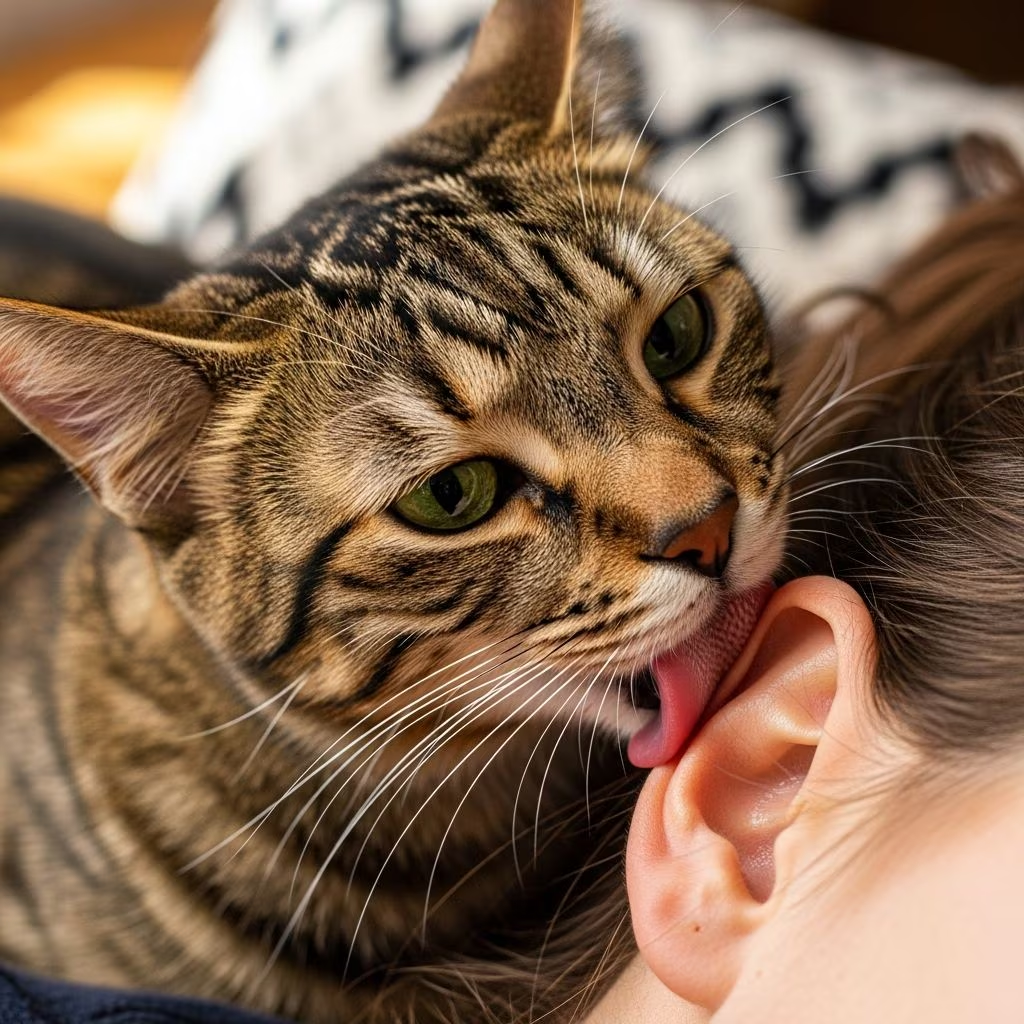
Your cat’s sudden interest in licking your ear can feel surprising, even endearing, but it’s rooted in natural feline instincts. Cats lick ears for specific reasons, primarily because they enjoy the taste of earwax, aim to groom you as part of their social bonding, or express deep affection through scent exchange. These behaviors, reviewed by veterinarians, highlight how cats integrate humans into their social world.
The 3 Possible Reasons Why Cats Lick Ears
Cats exhibit this behavior due to a combination of sensory appeal, social rituals, and emotional connections. Understanding these motivations helps cat owners appreciate their pet’s actions rather than viewing them as odd. Below, we break down the three primary vet-reviewed possibilities.
1. They Like the Taste of Earwax
Earwax, or cerumen, consists of dead skin cells, hair, and oily secretions that protect and lubricate the ear canal. To humans, it may seem unappealing, but cats often find its composition irresistible. Earwax contains **salt, proteins, and fats**—elements that mimic the savory profile of their favorite foods.
Cats possess an acute sense of smell and taste, detecting scents in earwax that are pungent and attractive. This explains why some cats eagerly approach ears, especially after you’ve cleaned them or if wax buildup is present. Observant owners notice cats stealing Q-tips or showing interest in discarded ear cleaners, confirming the gustatory motivation.
While commercial ear cleaners reduce wax accumulation, they don’t always eliminate the lingering scent or taste that draws felines. Regular ear hygiene for humans can minimize this appeal, but it’s a persistent instinct for many cats.
2. They’re Trying to Groom You
Cats are fastidious groomers, spending up to half their waking hours maintaining their coat. This extends beyond self-care to **allogrooming**, where they groom others in their social group to build trust and exchange scents. When your cat licks your ear, it’s treating you like family, focusing on the head and face area typical in cat colonies.
Mutual grooming strengthens bonds, much like mother cats lick kittens for cleanliness and reassurance. By licking your ear, your cat deposits its unique scent from salivary glands, marking you as part of its territory and reinforcing affiliation. This is a profound sign of trust, as cats rarely groom those they don’t consider close.
In multi-cat households, this behavior may intensify to reaffirm hierarchies or compete for your attention. Even solitary cats extend this nurturing act to beloved humans, viewing them as colony members.
How to Remedy the Behavior
If ear licking becomes bothersome, redirect without punishment to preserve trust. Here are effective strategies:
- Provide ample attention: Increase playtime and cuddles to fulfill emotional needs, reducing the urge to groom.
- Allow alternative grooming: Offer your hand or arm for licking, satisfying the instinct safely.
- Enhance enrichment: Toys, scratching posts, and puzzle feeders combat boredom, a common trigger.
- Use deterrents gently: Apply pet-safe bitter sprays on ears or distract with treats during episodes.
Consistency is key; positive reinforcement encourages desired behaviors while discouraging ear-focused licking.
3. A Show of Affection
Beyond taste or grooming, ear licking often signifies pure love. Cats rub and lick to exchange scents, claiming you as family. Your unique human odor—mixed with sweat, lotions, or natural oils—comforts them, allowing them to carry your scent when apart.
This mirrors kittenhood bonding, where licking evokes security. Slow blinking, purring, and relaxed posture accompany these licks, confirming affection over other motives. In essence, your cat is saying, “You’re mine, and I adore you.”
Why Do Cats Like Earwax?
Delving deeper into the earwax fascination, cats target ears for their sensory richness. Earwax’s salty, fatty profile acts like a treat, while the ear’s warmth and confined space enhance appeal. Cats with heightened curiosity or those from breeds like Siamese may show stronger interest.
However, excessive focus warrants caution. If licking targets one ear persistently, it could indicate infection odors attracting the cat, such as otitis externa. The recipient cat (or human) might allow it for itch relief, but veterinary check for underlying issues is advised.
Human ear hygiene plays a role: overproduction of wax due to diet or genetics amplifies attraction. Balanced nutrition and routine cleaning deter this without fully eradicating the instinct.
Is Ear Licking Harmful?
Generally benign, cat saliva introduces bacteria like *Pasteurella* that risk ear infections if abrasions exist. Wet ears become breeding grounds for issues, especially in humid climates. Monitor for redness, itching, or discharge, and consult a doctor if symptoms arise.
For cats, over-licking signals stress, anxiety, or nutritional gaps like pica. Sudden changes demand vet evaluation to rule out health concerns.
Related Behaviors: Licking vs. Biting
Distinguish licking from biting, which signals overstimulation or play. Use this table for clarity:
| Behavior | Body Language | Meaning |
|---|---|---|
| Gentle Licking | Purring, slow blinks, relaxed ears | Affection, grooming |
| Licking to Biting | Tail twitch, dilated pupils, ear flatten | Overstimulation, redirect needed |
| Excessive Licking | Agitation, fixation, neglect of self-care | Anxiety or compulsion |
Frequently Asked Questions (FAQs)
Can ear licking indicate illness in my cat?
Occasional licking is normal, but obsessive or sudden onset may signal anxiety, deficiencies, or neurological issues. Vet consultation is recommended for changes.
How do I stop my cat from licking my ear?
Redirect with toys, boost play, and set boundaries gently. Punishment erodes trust; focus on enrichment instead.
Do cats lick ears to show dominance?
Not primarily; it’s bonding and inclusion. Hierarchy plays a minor role in allogrooming, emphasizing affection over control.
Why does my cat lick my ear at night?
Nighttime increases due to closeness, heightened scents from the day, and bonding opportunities when distractions are low.
Is it safe for my cat to eat earwax?
In small amounts, yes, but excess can cause digestive upset. Prevent by maintaining hygiene and distracting.
Conclusion
Cat ear licking blends taste preference, grooming rituals, and heartfelt affection—harmless quirks strengthening your bond. Embrace it moderately or manage gently for mutual comfort. By decoding these actions, you’ll deepen your connection with your feline friend.
References
- Why Does My Cat Lick My Ear? 3 Vet-Reviewed Possibilities — Catster. 2023-05-15. https://www.catster.com/cat-behavior/why-does-cat-lick-my-ear/
- Why Does My Cat Lick My Ear? Understanding Feline Behavior — Alibaba Cat Lovers. 2024-02-10. https://catlovers.alibaba.com/question/why-does-my-cat-lick-my-ear
- Why Do Cats Like Earwax? — Cats.com. 2023-11-20. https://cats.com/why-do-cats-like-earwax
- Why Do Cats Like Earwax? — Rover.com. 2024-01-05. https://www.rover.com/blog/why-do-cats-like-earwax/



