

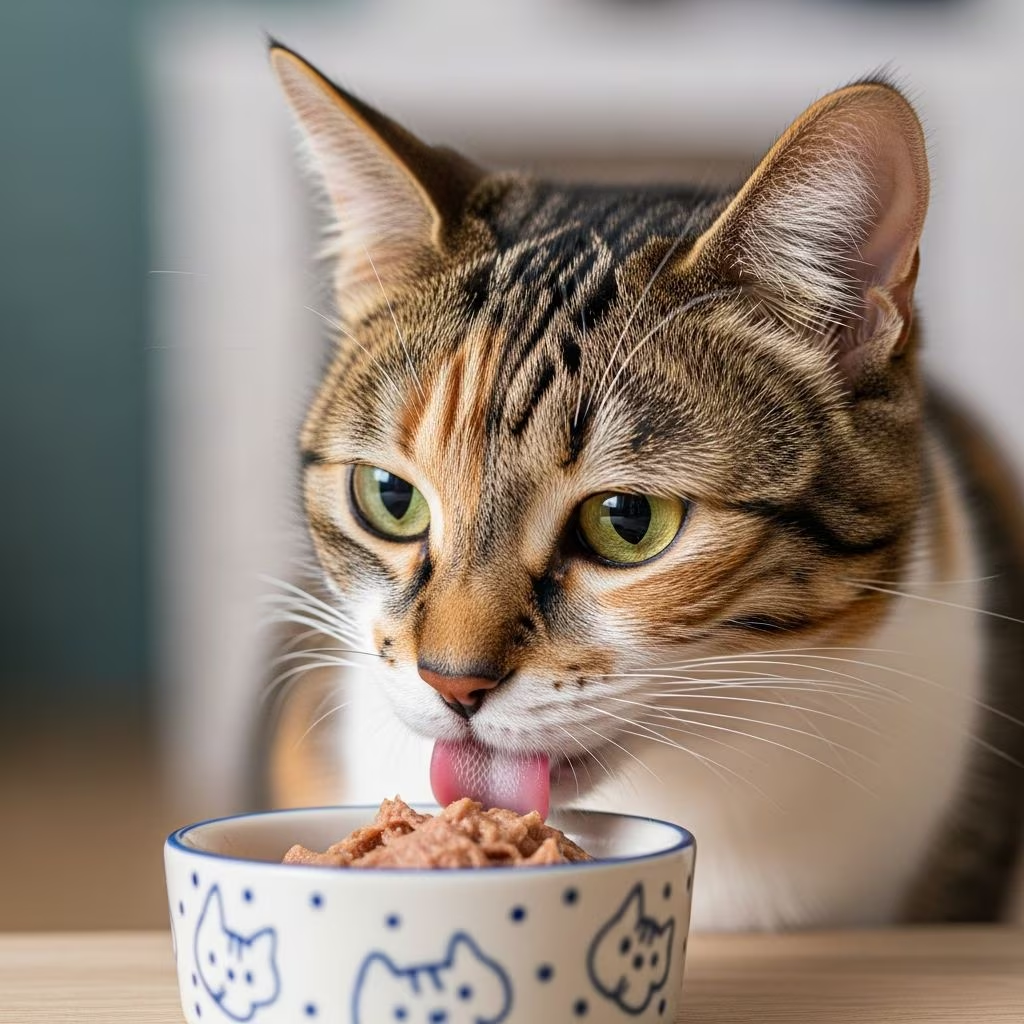
Observing your cat approach its bowl, give the food a few licks, and then walk away can be frustrating and worrisome for any pet owner. This behavior, often described as a cat licking food but not eating, is common and can stem from benign preferences or signal underlying health concerns. Understanding the reasons behind this picky eating helps you decide whether to tweak the diet or rush to the vet.
Cats are obligate carnivores with highly sensitive senses of smell and taste. Their eating habits are influenced by food quality, texture, health status, and environment. In this comprehensive guide, we’ll explore the possible causes, dietary considerations like wet vs. dry food, practical solutions, and red flags requiring professional attention. Backed by veterinary insights, this article equips you to support your feline friend’s appetite and well-being.
Licking But Not Eating: Possible Causes
Cats might enthusiastically lick their food—especially gravies or pates—but stop short of consuming the solids. This selective behavior points to several potential issues. Here’s a breakdown of the most common reasons:
- They don’t like the taste: Cats have around 470 taste buds compared to humans’ 9,000, but their sense of smell is crucial. If the aroma or flavor doesn’t appeal, they’ll lick tentatively and abandon it. Sudden formula changes in commercial foods can trigger this.
- They don’t like the texture: Some cats prefer silky pates over chunky meats or gravies. Licking extracts the palatable liquid, leaving tougher bits behind. Texture aversion often develops from kittenhood experiences.
- They don’t like the size of the meat chunks: Large pieces can be daunting, especially for cats with smaller mouths or chewing difficulties. Finely shredded or minced options may resolve this.
- They are nauseous (stomach upset, chronic kidney disease, pancreatitis, etc.): Nausea makes cats interested in food initially but repelled upon tasting. Conditions like chronic kidney disease (CKD), common in seniors, or pancreatitis reduce appetite. Symptoms include lip-licking, drooling, or vomiting.
- They have gastrointestinal (GI) pain: Issues like inflammatory bowel disease (IBD), obstructions, or infections cause discomfort, leading to partial interest but no full meals.
- They have dental pain or problems: Gingivitis, tooth resorption, fractures, or oral tumors make chewing painful. Cats lick soft parts but avoid crunching kibble or tough meat.
- They have facial pain or problems: Abscesses, injuries, or trigeminal neuralgia affect mouth movement.
- They aren’t hungry: Overfeeding treats, free-feeding, or recent snacks can curb hunger. Cats thrive on scheduled meals mimicking wild hunting.
- Neurological problems: Rare but serious, conditions like cognitive dysfunction or strokes impair eating coordination.
Distinguishing preference from illness is key. If the behavior is new, persistent (over 24-48 hours), or accompanied by lethargy, weight loss, vomiting, diarrhea, or behavioral changes, consult a vet promptly. Anorexia in cats can lead to hepatic lipidosis (fatty liver disease), a life-threatening condition.
Dry Food or Wet Food: Which is Better?
The debate over **dry food** (kibble) versus **wet food** (canned) is ongoing among cat owners. There’s no one-size-fits-all answer—it depends on your cat’s health, preferences, and needs. Both have pros and cons, and a mix often works best.
| Aspect | Dry Food | Wet Food |
|---|---|---|
| Water Content | Low (5-10%) | High (70-80%) |
| Hydration Benefits | May lead to dehydration if no water intake | Supports urinary health, ideal for CKD cats |
| Dental Health | Abrasive texture may reduce tartar (anecdotal) | Softer; requires brushing for dental care |
| Texture Preferences | Crunchy kibble appeals to some | Gravies/pates suit picky or sick cats |
| Convenience/Cost | Long shelf life, cheaper per pound | Refrigeration needed, pricier |
| Caloric Density | Higher; portion control key | Lower; larger volumes needed |
For cats licking but not eating wet food chunks, try pate-style or finely shredded varieties. Enhance appeal by warming slightly to release aromas—never microwave directly; use warm water. High-quality brands with named meat sources (e.g., chicken as first ingredient) outperform by-products. Transition slowly over 7-10 days to avoid GI upset.
Veterinarians often recommend 50-75% wet food for hydration, especially in multi-cat homes or hot climates. Monitor urine output and litter clumping for hydration status. If your cat refuses wet food, soften kibble with water or low-sodium broth to bridge textures.
How to Get Your Cat to Eat
Encouraging a reluctant eater requires patience and strategy. Start with rule-outs: fresh food, clean bowls, quiet location away from litter/water. Here’s a step-by-step approach:
- Assess and tempt: Offer small amounts of favorites. Top with tuna juice, catnip, or freeze-dried treats.
- Experiment textures/flavors: Rotate proteins (turkey, fish, rabbit). Puree chunks if size is the issue.
- Address environment: Use wide, shallow bowls to prevent whisker fatigue—overstimulation from narrow bowls causes avoidance.
- Scheduled feeding: Remove uneaten food after 15-20 minutes; hunger drives eating. No free-feeding.
- Health check: Routine dental exams prevent issues. For nausea, vet-prescribed appetite stimulants like mirtazapine are effective short-term.
- Senior/special needs: Elderly cats benefit from senior formulas or syringe feeding if critical.
Avoid human foods; they’re calorie-dense and nutritionally imbalanced. If refusal exceeds 2 days, seek veterinary intervention for diagnostics like bloodwork, X-rays, or dental cleaning.
Frequently Asked Questions (FAQs)
Why did my cat stop eating a food they previously liked?
Sudden refusal of a longtime favorite often signals health changes like dental disease, GI upset (e.g., CKD, pancreatitis), nausea, or stress. Less commonly, it’s preference shift from formula tweaks. Vet evaluation is essential if persistent.
My cat won’t eat wet food at all. Why is that?
Kittens not exposed to wet food may develop lifelong aversion to its texture/smell. Solutions include:
- Warming to lukewarm to boost aroma.
- Moistening kibble to cereal-like consistency for gradual transition.
- Mixing tiny wet food amounts into dry, increasing over time.
If untrainable, prioritize high-quality kibble with water fountains for hydration.
Is whisker fatigue causing my cat to lick but not eat?
Yes—narrow bowls irritate sensitive whiskers linked to the nervous system, causing discomfort and appetite loss. Switch to flat plates; symptoms like pawing food resolve quickly.
What if my cat licks gravy but leaves meat?
Likely texture dislike or dental pain. Offer pate, grind meat, or check teeth. Persistent cases warrant vet for underlying nausea or GI issues.
How long can my cat go without eating?
Not long—24-48 hours max before hepatic lipidosis risk. Obese cats are especially vulnerable. Force-feeding or fluids may be needed emergently.
When simple fixes fail, professional guidance ensures your cat’s health. Early intervention prevents complications.
References
- Why Does My Cat Lick Food But Not Eat? (Vet Answer) — Catster Veterinary Team. 2023-10-15. https://www.catster.com/ask-the-vet/why-does-cat-lick-food-but-not-eat-vet-answer/
- 6 Reasons Why Your Cat Is Not Eating and What To Do — PetMD (Veterinary Experts). 2024-05-20. https://www.petmd.com/cat/nutrition/cat-not-eating-what-to-do
- Why does my cat only eat the jelly off their food? — Cats Protection (UK Charity). 2023-08-10. https://www.cats.org.uk/cats-blog/why-does-my-cat-only-eat-jelly-off-their-food
- Encouraging Sick & Elderly Cats To Eat — The Cat Vet (Veterinary Practice). 2024-02-14. https://www.thecatvet.co.uk/encouraging-sick-elderly-cats-to-eat.html
- AAFP Feline Nutrition Guidelines — American Association of Feline Practitioners. 2023-11-01. https://catvets.com/public/PDFs/PracticeGuidelines/FelineNutritionGuidelines.pdf



