

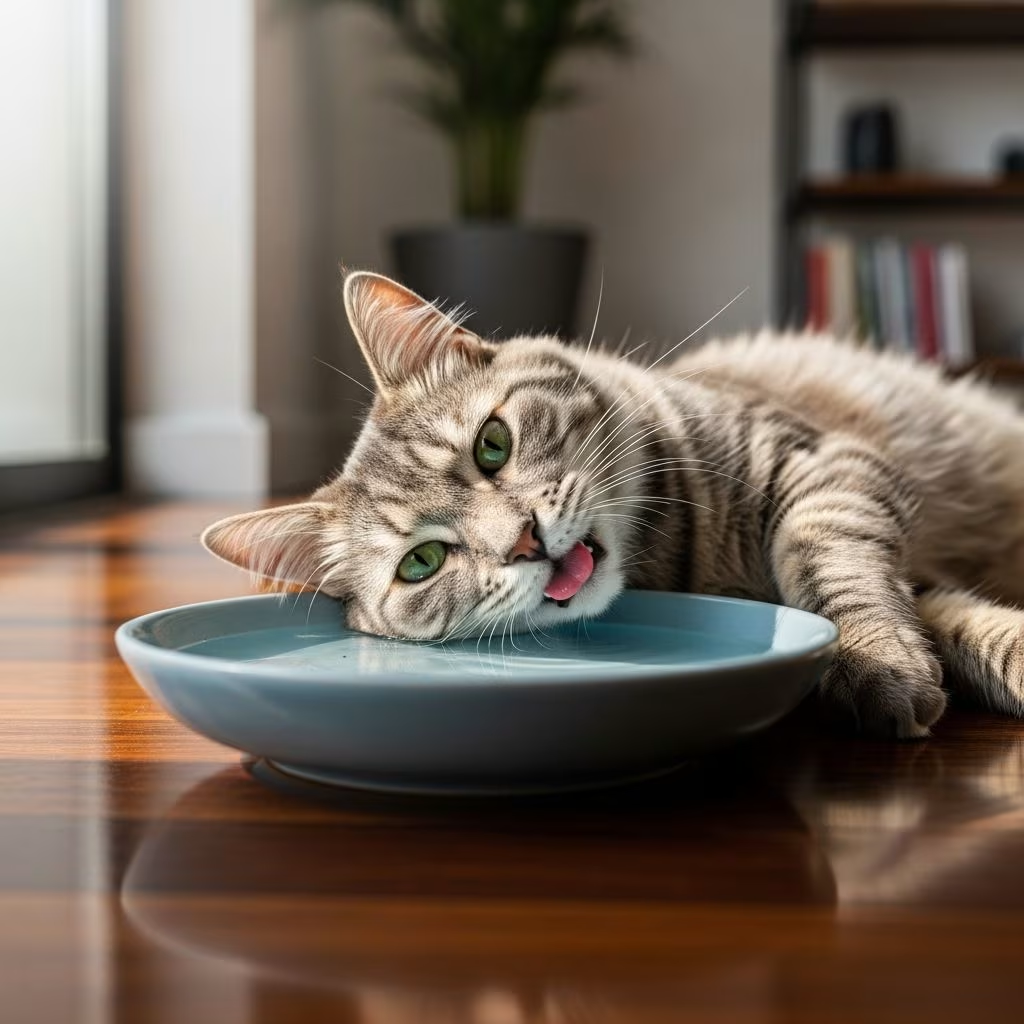
Cats exhibit a variety of quirky behaviors, and one that often puzzles owners is when their feline companion lies down to drink water from the bowl. This posture can range from a harmless preference to a sign of underlying health issues. Understanding the reasons helps cat owners determine if veterinary attention is needed. Factors like age, health conditions, dehydration, or even bowl placement play key roles. We’ll explore these causes in detail, along with tips to encourage proper hydration and when to seek professional help.
Reasons Why Cats Lie Down to Drink Water
Not all instances of a cat lying down to drink indicate a problem. Some cats simply prefer this position due to comfort, instinct, or environmental factors. However, persistent or sudden changes warrant closer observation. Below, we break down the primary reasons, starting with potential medical concerns.
1. Diabetes in Cats
Feline diabetes, or diabetes mellitus, is a common endocrine disorder where the body fails to regulate blood sugar effectively. Cats with diabetes often experience excessive thirst (polydipsia) and urination (polyuria), leading them to drink large amounts of water. Lying down to drink allows them to lap up more without the effort of standing, especially if they’re overweight, a risk factor for the condition.
Symptoms include increased hunger, weight loss despite eating more, lethargy, and begging for food. If your cat is lying down to drink and shows these signs, a vet visit is essential for blood glucose testing and management, which may involve insulin therapy. Early diagnosis improves outcomes significantly.
2. Kidney Disease
Chronic kidney disease (CKD) affects many older cats, impairing the kidneys’ ability to filter waste and concentrate urine. This results in heightened thirst as the body tries to flush toxins. Affected cats may lie down by the bowl to access water more easily, as standing becomes tiring.
- Key symptoms: Pronounced weight loss, ammonia-like bad breath, frequent urination, bloody urine, vomiting, and diarrhea.
- Even well-cared-for cats can develop CKD; signs progress gradually, making early detection challenging.
Veterinarians recommend bloodwork and urinalysis for diagnosis. Treatment focuses on diet changes, fluids, and medications to slow progression.
3. Dehydration
Dehydration occurs when cats don’t intake enough fluids, often due to inadequate drinking habits stemming from their ancestral carnivorous diet, which provided moisture from prey. Severely dehydrated cats lack energy to stand and drink, resorting to lying down.
How to check for dehydration:
- Gum test: Gums should be pink and moist; pale, sticky gums signal dehydration.
- Skin tent test: Pinch skin on the back of the neck; it should snap back instantly. Delay over 2 seconds indicates dehydration.
- Eye check: Sunken, dull, or unfocused eyes are red flags.
Additional signs: lethargy, depression, loss of appetite. Cats on dry food diets are at higher risk, as wet food provides hydration.
4. Arthritis or Mobility Issues
Older cats or those with joint pain from arthritis may find standing uncomfortable, leading them to lie down while drinking. Weakness, injuries, or age-related exhaustion can contribute. Monitor for limping, reluctance to jump, or stiffness.
Supportive measures include raised bowls, soft bedding, and vet-prescribed joint supplements or pain relief.
5. Preference or Habit
Some healthy cats lie down to drink simply because they prefer it. Their tongue structure—curved for lapping—combined with a blind spot in front of their face makes standing awkward for some. Cool bowl surfaces or a comfy spot near the bowl attract others, especially in warm weather.
Why Is Hydration Crucial for Cats?
Water comprises 60-70% of a cat’s body, essential for cellular function, organ health, digestion, toxin removal, and preventing issues like urinary crystals. Cats can survive 2-3 weeks without food but only days without water. Inadequate hydration exacerbates kidney disease, diabetes, and UTIs.
Cats fed dry kibble need more water intake than those on wet food. Instinctively, they seek running water, mimicking streams over stagnant bowls.
Related Behaviors Around the Water Bowl
Why Do Cats Sit Next to Their Water Bowl?
Sitting by the bowl without lying down might indicate monitoring for security, enjoying the cool spot, or early health issues like increased thirst from CKD or UTIs. If near food, it could reflect avoidance of ‘contaminated’ water instincts. Standing in the bowl often signals separation anxiety or attention-seeking.
Why Do Cats Paw at the Floor Before Drinking?
This instinctive action mimics wild cats ‘claiming’ water sources or checking for safety, similar to territory marking. It’s normal and not a concern unless excessive.
How to Encourage Healthy Drinking Habits
Promote hydration to prevent lying-down drinking from necessity:
- Use cat water fountains for flowing water appeal.
- Provide multiple clean bowls away from food.
- Opt for wide, shallow ceramic/metal bowls; avoid plastic which can harbor bacteria.
- Mix wet food into the diet for added moisture.
- Flavor water with tuna juice (sparingly) or try ice cubes.
Monitor intake: Normal is 3-4 ounces per 5 pounds of body weight daily, more for dry-food eaters.
| Factor | Dry Food Cat | Wet Food Cat |
|---|---|---|
| Daily Water Needs | Higher (make up for low moisture) | Lower (food provides ~70% hydration) |
| Bowl Refills | Frequent | Less often |
| Health Risk | Dehydration/UTIs | Lower if balanced |
When to See a Vet
Consult a veterinarian if lying down to drink is new, persistent, or accompanied by symptoms like excessive thirst, weight changes, vomiting, lethargy, or urination issues. Early intervention for diabetes or CKD can extend life quality. Behavior changes in seniors especially merit checks for arthritis or hyperthyroidism.
Frequently Asked Questions (FAQs)
Why has my cat suddenly started lying down to drink water?
It could be a new habit, discomfort from arthritis, or health issues like diabetes or kidney disease. Monitor for other symptoms and consult a vet if concerned.
What are signs of dehydration in cats?
Pale/sticky gums, slow skin tent recovery, sunken eyes, lethargy, and reduced appetite.
Is it normal for cats to prefer lying down to drink?
Yes, for some healthy cats due to comfort or bowl design, but rule out medical causes if sudden.
Can diet affect how much a cat drinks?
Yes, dry food cats drink more than wet food cats to compensate for moisture.
How much water should my cat drink daily?
About 3-4 ounces per 5 pounds of body weight, varying by diet and activity.
Final Thoughts
While some cats lie down to drink water out of preference, it often signals needs like better hydration access or health alerts such as diabetes, kidney disease, or dehydration. Observe closely, optimize their environment with fountains and fresh water, and seek vet care promptly for changes. Proactive care ensures your cat stays hydrated and healthy.
References
- Why Is My Cat Lying Down to Drink Water? — Hepper Pet Resources. 2023. https://articles.hepper.com/why-is-cat-laying-down-to-drink-water/
- Cat Laying by Water Bowl: Understanding This Common Behavior — UAH Pet. 2023. https://www.uahpet.com/blogs/post/cat-laying-by-water-bowl-understanding-this-common-behavior
- Why does my cat lay down while drinking water? — Dial a Vet. 2023. https://www.dialavet.com/vet-answers/cat-lying-down-drinking-water-27362
- Why is Your Cat Drinking Lots of Water? — Purina US. 2023. https://www.purina.com/articles/cat/health/symptoms/cat-drinking-a-lot-of-water



