

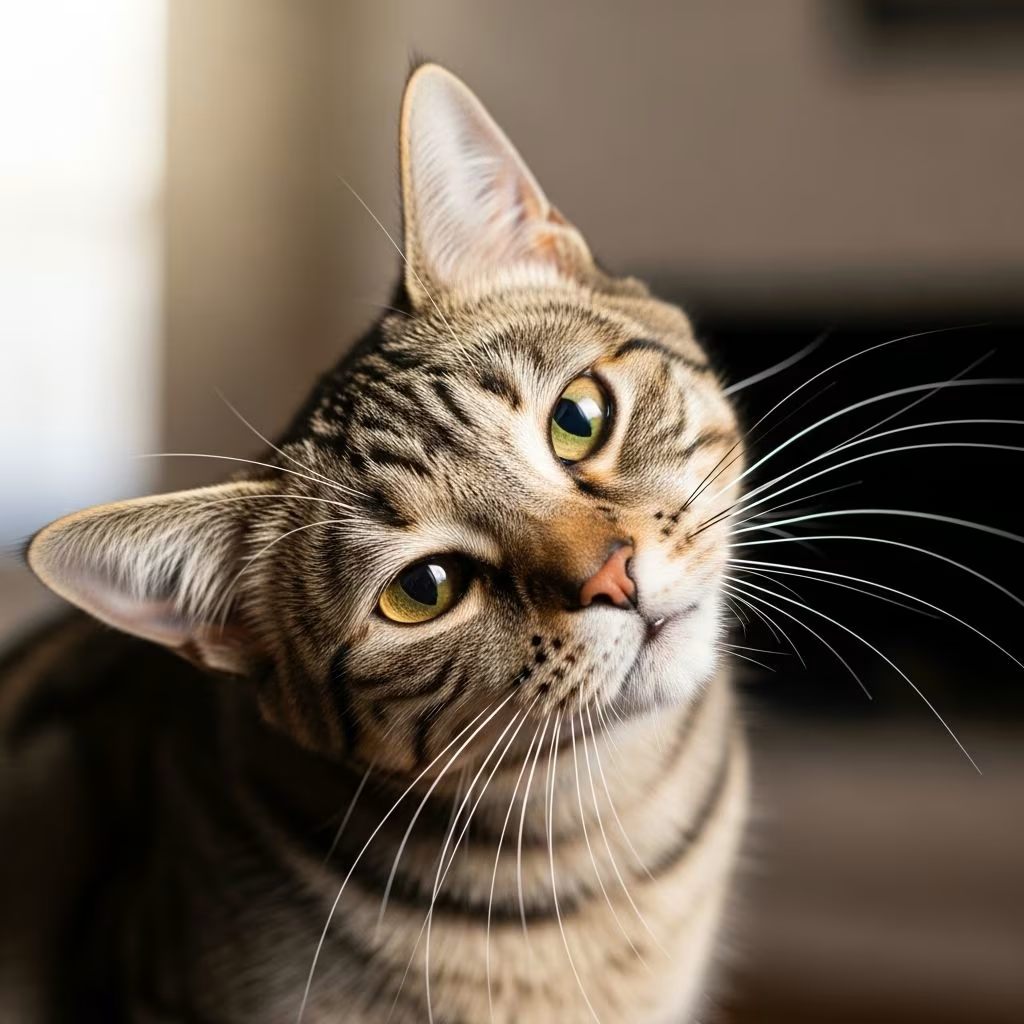
Observing your cat frequently shaking its head can be concerning for pet owners. While occasional head shaking is normal—often to dislodge water, debris, or relieve a minor itch—persistent or vigorous shaking typically indicates an underlying issue. Common culprits range from benign irritations like ear mites to more serious conditions such as infections or neurological disorders. Understanding the reasons behind this behavior is crucial for timely intervention, as early detection can prevent complications and improve your cat’s comfort.
This comprehensive guide covers the primary causes of head shaking in cats, associated symptoms, diagnostic approaches, treatment options, and prevention strategies. By recognizing these signs, you can determine when home remedies suffice and when professional veterinary care is essential.
Normal vs. Abnormal Head Shaking in Cats
Cats naturally shake their heads after grooming, bathing, or when responding to sounds or itches. This behavior is brief and purposeful, helping them clear their ears or fur. However, abnormal head shaking is characterized by frequency, intensity, or accompaniment by other symptoms like scratching, discharge, or imbalance.
- Normal shaking: Infrequent, short bursts, no additional signs of distress.
- Abnormal shaking: Constant or repetitive, often with pawing at ears, head tilting, odor, or behavioral changes.
If shaking persists beyond a day or worsens, consult a veterinarian to rule out health problems.
Common Causes of Head Shaking in Cats
Most cases stem from ear-related issues, but other factors can contribute. Here’s a breakdown of the most frequent causes:
Ear Infections
Ear infections (otitis) are among the top reasons cats shake their heads. Caused by bacteria, yeast, or a combination, they lead to inflammation, discharge, and intense itching. Cats shake vigorously to alleviate discomfort, often scratching or rubbing their ears as well. Symptoms include foul-smelling dark discharge, redness, swelling, and pain upon touch. Yeast infections, in particular, produce a yeasty odor detectable from afar.
Infections are less common in cats than dogs but thrive in moist environments or due to poor ear hygiene. Untreated, they can spread to the middle or inner ear, causing balance issues.
Ear Mites
Ear mites (Otodectes cynotis) are tiny parasites especially prevalent in kittens, outdoor cats, or multi-pet households. They cause severe itching, prompting excessive head shaking and ear pawing. Look for coffee-ground-like black debris in the ears, which is mite waste and dried blood. Mites spread easily via contact, so isolate affected cats and treat all pets.
Foreign Objects
Grass awns, seeds, small toys, or debris can lodge in the ear canal, irritating sensitive tissues. Cats shake their heads frantically to dislodge them, often with one-sided symptoms. Outdoor cats are at higher risk. Never attempt removal at home, as probing can push objects deeper or cause injury.
Allergies
Environmental allergens (pollen, dust) or food sensitivities trigger ear inflammation and itching. Cats may shake their heads alongside sneezing, skin redness, or gastrointestinal upset. Identifying allergens requires elimination diets or testing.
Ear Polyps or Tumors
Nasopharyngeal polyps—benign growths in the middle ear or throat—cause chronic shaking, discharge, and breathing issues. Tumors, though rarer, can be malignant and press on ear structures. These require imaging for diagnosis.
Aural Hematomas
Also called “pillow ear,” this is a blood-filled swelling in the ear flap from trauma or vigorous shaking/scratching. It exacerbates head shaking due to pressure and pain. Surgery often drains and repairs the hematoma.
| Cause | Key Symptoms | Risk Factors |
|---|---|---|
| Ear Infection | Discharge, odor, redness, pain | Moisture, poor hygiene |
| Ear Mites | Black debris, intense itch | Kittens, outdoor access |
| Foreign Object | One-sided shaking, sudden onset | Outdoor activity |
| Allergies | Itchiness, skin issues | Environmental/food exposure |
| Polyps/Tumors | Chronic discharge, breathing problems | Age, breed |
Neurological Causes of Head Shaking
While less common, neurological issues demand urgent attention. Head shaking may appear as tremors or be paired with coordination loss.
Vestibular Disease
This affects the inner ear and brain’s balance centers, causing sudden head shaking, tilting, circling, falling, and nystagmus (jerky eye movements). Idiopathic cases resolve in days, but infections or toxins can trigger it.
Brain Inflammation or Tumors
Encephalitis, meningitis, or tumors disrupt motor control, leading to shaking, disorientation, and seizures. FIP (feline infectious peritonitis) is a notable infectious cause.
Cerebellar Hypoplasia
A congenital condition where the cerebellum underdevelops, resulting in lifelong tremors worsened by intent (like head shaking). Affected kittens wobble but adapt well.
Toxins and Trauma
Exposure to pesticides, cleaners, or head injuries can cause shaking, tremors, and ataxia. Immediate detox and supportive care are vital.
Symptoms That Require Immediate Vet Attention
Not all head shaking is urgent, but combine it with these red flags:
- Head tilt or circling
- Loss of balance or falling
- Eye nystagmus or unequal pupils
- Seizure-like tremors
- Discharge, foul odor, or bleeding
- Lethargy, appetite loss, or vomiting
- Facial swelling or drooling
These suggest inner ear involvement, neurological disease, or systemic illness.
Diagnosis and Treatment
Vets start with a physical exam, ear swab cytology (for mites, bacteria, yeast), and otoscopy. Advanced cases may need X-rays, CT/MRI, bloodwork, or biopsies.
Treatments vary:
- Infections/Mites: Topical/oral meds like selamectin, antibiotics, antifungals.
- Foreign Objects: Sedated removal.
- Allergies: Antihistamines, hypoallergenic diets.
- Polyps: Surgical excision.
- Vestibular/Neuro: Supportive care, anti-nausea drugs; address underlying cause.
- Hematomas: Drainage and stitching.
Avoid home cleaning with cotton swabs or harsh solutions, as they worsen issues.
Prevention Tips for Head Shaking
Minimize risks with:
- Monthly parasite preventives.
- Routine ear checks and gentle cleaning if advised.
- Balanced diet to avoid allergies.
- Indoor living or supervised outdoor time.
- Secure toxins and prompt injury care.
- Regular vet wellness exams.
Frequently Asked Questions (FAQs)
Q: Why is my cat shaking its head and scratching its ears?
A: This often indicates ear mites, infections, or allergies causing itchiness. A vet exam with ear cytology confirms the cause.
Q: Is head shaking in cats always an ear problem?
A: No, while ears are common, neurological issues like vestibular disease or toxins can mimic it. Accompanying balance problems signal neuro concerns.
Q: How can I tell if my cat has ear mites?
A: Look for black, crumbly debris resembling coffee grounds, plus shaking and scratching. Mites glow under magnification during vet swabs.
Q: When should I worry about my cat shaking its head?
A: If persistent (>24 hours), with discharge, tilt, imbalance, or behavior changes, seek vet care immediately.
Q: Can I clean my cat’s ears at home?
A: Only use vet-approved cleaners gently; never insert objects. Professional assessment prevents harm.
Q: Why does my cat shake its head after eating?
A: Possible food allergy or oral irritation; monitor and trial diet changes under vet guidance.
References
- Cat Shaking Head: Is It a Neurological Issue? — VHA Vets. 2023. https://vhavets.com/blog/cat-shaking-head/
- Cat Shaking Head? Common Causes and When To Call Your Vet — PetMD. 2024-01-15. https://www.petmd.com/cat/symptoms/cat-shaking-head
- Cat Keeps Shaking Head. Is It a Cat Ear Yeast Infection? — Oxyfresh. 2023. https://www.oxyfresh.com/blogs/pet-health/cat-keeps-shaking-head-is-it-gulp-a-cat-ear-yeast-infection
- Head Shaking in Cats — Joii Pet Care. 2024. https://www.joiipetcare.com/blogs/health-symptoms/head-shaking-in-cats
- Head Shaking in Cats – Causes, Treatment and Associated Symptoms — Vetster. 2023-11-20. https://vetster.com/en/symptoms/cat/head-shaking
- Why Does My Cat Shake Their Head & What Can I Do to Help? — Rover. 2024. https://www.rover.com/blog/cat-shakes-head/



