

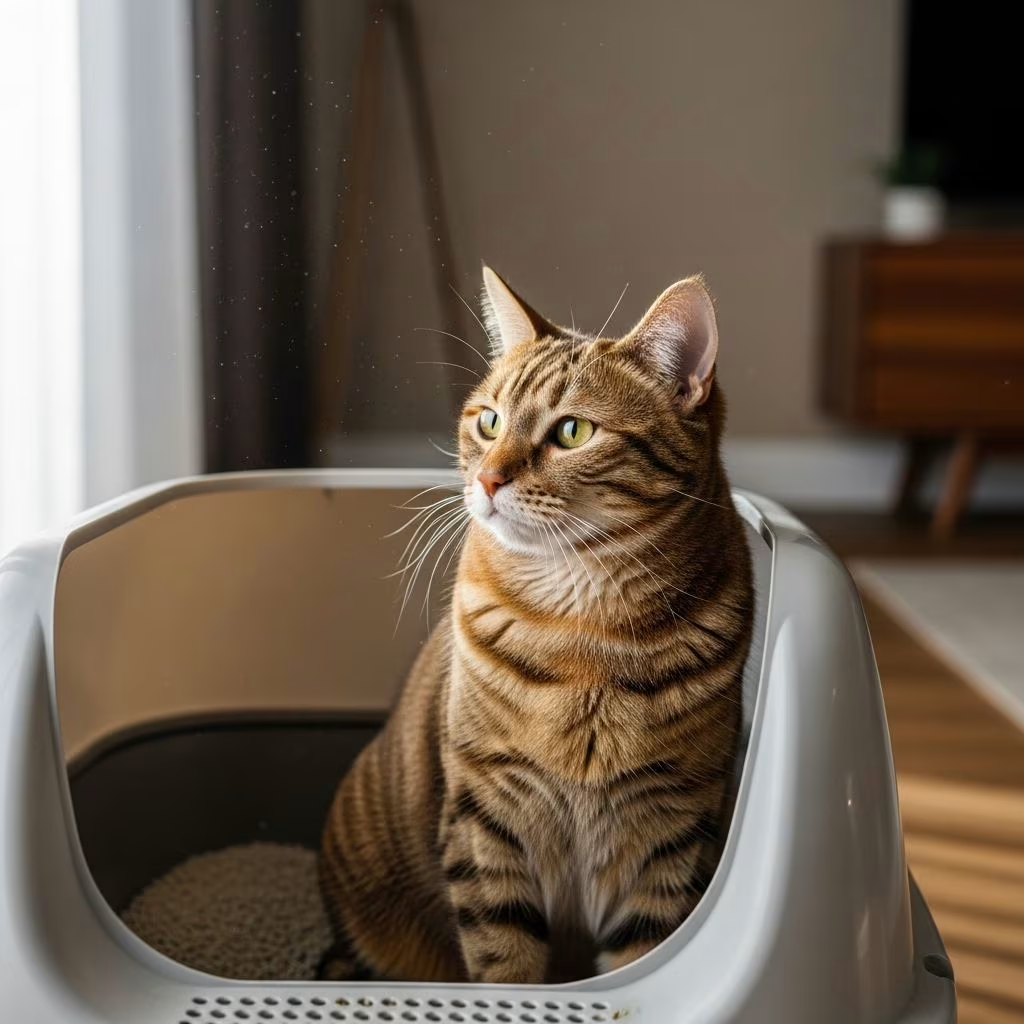
Your cat repeatedly visiting the litter box without producing urine or feces is a red flag that demands immediate attention. This behavior, often called straining to urinate or defecate, can stem from serious medical conditions like urinary tract infections (UTIs) or life-threatening blockages, or from behavioral issues like a dirty litter box or stress. According to veterinary experts, prompt intervention is crucial, as untreated urinary obstructions in male cats can be fatal within 24-48 hours. This comprehensive guide covers all potential causes, symptoms, diagnosis, treatments, and prevention strategies to help you support your cat’s health.
Medical Reasons Why Your Cat Strains in the Litter Box
Many instances of a cat going to the litter box frequently but nothing happening point to underlying health problems, particularly urinary or gastrointestinal issues. Cats are masters at hiding pain, so these subtle signs are often the only indicators. Veterinary sources emphasize ruling out medical causes first before assuming behavioral problems.
Urinary Tract Infection (UTI)
A **urinary tract infection** is one of the most common culprits, especially in female cats, causing inflammation and discomfort that leads to frequent, unproductive litter box visits. Bacteria invade the bladder, prompting your cat to strain while producing little to no urine. Symptoms include vocalizing in pain, blood in urine (hematuria), and excessive licking of the genital area.
- Frequent small amounts of urine or straining without output
- Strong ammonia-like urine odor
- Lethargy or reduced appetite
UTIs require antibiotics prescribed by a vet after a urinalysis. Delaying treatment can lead to kidney infections.
Crystals or Bladder Stones (Feline Lower Urinary Tract Disease – FLUTD)
**Bladder stones or crystals** (uroliths) irritate the urinary tract, mimicking UTI symptoms but often forming due to diet, pH imbalance, or dehydration. These sharp crystals scrape the bladder lining, causing intense pain and bloody urine. Male cats are at higher risk for blockages where crystals plug the narrow urethra, preventing any urine flow—a veterinary emergency.
- Straining with cries of pain
- Only drops of bloody urine
- Swollen abdomen from urine backup
Diagnosis involves X-rays or ultrasound; treatment may include special diets, medications, or surgery to remove stones.
Idiopathic Cystitis (FIC)
**Feline Idiopathic Cystitis** is a stress-related bladder inflammation without infection, common in younger cats. It causes sudden, painful urination attempts, often triggered by household changes. Symptoms overlap with UTIs but urinalysis shows no bacteria. Management focuses on stress reduction, pain meds, and environmental enrichment.
Constipation
If no urine is produced but straining persists, **constipation** may be the issue, particularly in older cats (8+ years). Hard, dry stool buildup leads to repeated pushing efforts without success, risking megacolon—a dilated colon that’s hard to treat. Causes include low-fiber diets, dehydration, or kidney disease.
| Signs of Constipation | Associated Risks |
|---|---|
| Decreased appetite, vomiting, hiding | Megacolon if untreated |
| Stiff gait, weight loss | Dehydration worsens it |
| Hard pellets or no stool | Requires vet laxatives |
Increase fiber via pumpkin puree or switch to wet food; severe cases need enemas or laxatives.
Other Serious Conditions
Less common but critical: **kidney disease**, **diabetes**, or **hyperthyroidism** increase urination urges but output is minimal due to organ dysfunction. Tumors or IBD can cause chronic straining. Bloodwork and imaging are essential for diagnosis.
Behavioral and Environmental Causes
Once medical issues are ruled out, consider litter box setup or stress. Cats are fastidious; even minor aversions lead to avoidance or frequent visits.
Dirty or Unappealing Litter Box
Cats demand pristine boxes—scoop daily and provide n+1 boxes per cat (e.g., 3 for 2 cats). Dirty litter prompts “checking” trips without use. Other aversions:
- Too deep litter (prefer 1-2 inches)
- Hooded boxes feeling confining
- Wrong litter type (scented/perfumed)
- Small or high-sided boxes for seniors
Stress and Household Changes
**Stress** from moves, new pets, or routine shifts triggers litter issues via anxiety. Multi-cat homes may involve bullying over boxes. Place boxes in quiet, accessible spots with escape routes.
Location and Accessibility Problems
Boxes in noisy basements or hard-to-reach areas deter use, especially for arthritic cats. Ensure multiple locations on each floor.
When to See a Vet Immediately
Rush to the vet if you observe:
- No urine in 24 hours (emergency!)
- Bloody urine, vomiting, or collapse
- Straining >10 times/hour
Early diagnosis via urinalysis, bloodwork, or ultrasound saves lives.
How Vets Diagnose the Problem
A thorough exam includes:
- History of diet, box habits, recent changes
- Physical palpation for bladder stones
- Urinalysis for infection/crystals
- Imaging (X-ray/ultrasound) for obstructions
- Blood tests for systemic disease
Treatment Options for Litter Box Straining
Treatments vary by cause:
- Antibiotics/pain relief for UTIs/FIC
- Prescription urinary diets to dissolve crystals
- Laxatives/enemas for constipation
- Surgery for blockages/stones
- Stress reducers like Feliway pheromones
Prevention Tips to Avoid Future Issues
Proactive steps keep your cat happy:
- Scoop daily; deep-clean weekly with mild soap
- Feed wet food for hydration; add fountains
- Use unscented, clumping litter; try self-cleaning boxes
- Provide ample boxes in low-traffic areas
- Minimize stress with play, routine, and vet checkups
Monitor with apps tracking usage trends.
Frequently Asked Questions (FAQs)
What if my cat cries in the litter box?
This signals pain—likely UTI, stones, or blockage. Seek emergency vet care immediately.
Can diet cause litter box straining?
Yes, dry-only diets lead to crystals/constipation. Switch to wet or urinary formulas.
Why do older cats strain more?
Aging brings arthritis, kidney issues, and constipation; low-sided boxes help.
Is it normal for cats to visit the box often?
Healthy cats go 2-4 times daily; frequent straining without output is abnormal.
How to transition litter without issues?
Mix old/new gradually over 1-2 weeks.
References
- Cat Keeps Going To The Litter Box? Here’s Why — Litter-Robot. 2023. https://www.litter-robot.com/blog/cat-going-to-the-litter-box-every-few-minutes/
- Litter Box Problems — ASPCA. 2024-01-14. https://www.aspca.org/pet-care/cat-care/common-cat-behavior-issues/litter-box-problems
- Cat Not Using the Litter Box? Here’s Why — Chewy. 2023. https://www.chewy.com/education/cat/training-and-behavior/cat-stopped-using-litter-box
- Cat Behavior Problems – House Soiling — VCA Animal Hospitals. 2024. https://vcahospitals.com/know-your-pet/cat-behavior-problems-house-soiling
- Why does my cat keep missing the litter box — The Cat Vet. 2023. https://www.thecatvet.co.uk/why-does-my-cat-keep-missing-the-litter-box-and-peeing-over-the-side.html
- Cat Keeps Going to Litter Box: Causes, Solutions — UAH Pet. 2024. https://www.uahpet.com/blogs/post/cat-keeps-going-to-litter-box-causes-solutions-and-expert-tips



