

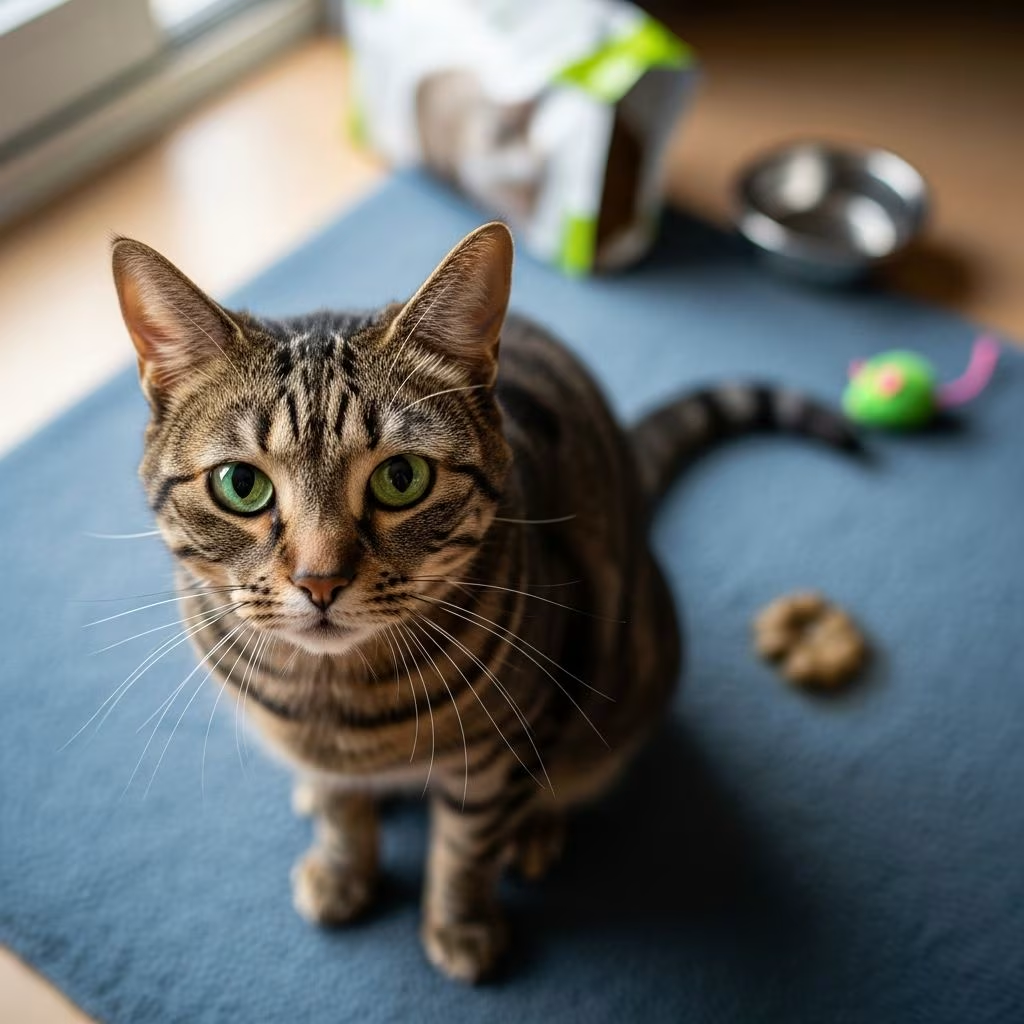
Why Does My Cat Have Diarrhea?
Diarrhea in cats is a common concern that frustrates many pet owners. While occasional loose stools may not be serious, persistent diarrhea can indicate an underlying health issue that requires veterinary attention. Understanding the potential causes of feline diarrhea is the first step toward helping your cat feel better and maintaining their digestive health.
Common Causes of Cat Diarrhea
Cat diarrhea can stem from numerous sources, ranging from minor dietary indiscretions to serious medical conditions. Identifying the root cause is essential for determining the appropriate treatment plan.
Dietary Changes and Food-Related Issues
One of the most frequent causes of diarrhea in cats is a sudden change in diet. When switching your cat’s food, doing so too quickly can upset their digestive system. The recommended approach is to transition gradually over 7 to 10 days, slowly increasing the amount of new food while decreasing the old food. Additionally, cats may develop diarrhea from:
- Food allergies – Cats can have allergic reactions to specific ingredients, similar to humans
- Contaminated or spoiled food – Eating garbage or expired food can cause gastrointestinal upset
- Human foods – Items like milk, cream, and other people food can trigger digestive issues
- Foreign objects – Ingesting toys, fabric, string, or other non-food items can obstruct or irritate the digestive tract
Infections and Parasites
Both younger and adult cats can develop diarrhea from infectious causes. These include:
- Parasites – Internal parasites are particularly common in kittens and can irritate the gastrointestinal tract
- Bacterial infections – Bacterial overgrowth in the digestive tract can cause loose stools
- Viral infections – Various viruses can trigger diarrhea in cats
- Fungal infections – Less common but possible causes of digestive upset
- Protozoal infections – Microscopic organisms can affect intestinal health
Stress and Anxiety
Environmental stressors can significantly impact your cat’s digestive health. Stress, anxiety, and excitement can result in gastrointestinal upset, particularly affecting the lower bowel and causing colitis. Changes in the household, new pets, moving, or loud noises can trigger stress-related diarrhea in sensitive cats.
Medical Conditions
Several underlying health conditions may cause diarrhea in cats:
- Colitis – Inflammation of the colon can cause diarrhea lasting weeks with blood or mucus in stools
- Inflammatory Bowel Disease (IBD) – A chronic inflammatory disorder affecting the digestive tract
- Pancreatitis – Inflammation of the pancreas disrupts digestive function
- Liver disease – Liver problems can affect the digestive environment
- Kidney disease – Renal issues may cause gastrointestinal symptoms
- Hyperthyroidism – Thyroid imbalances alter the digestive tract’s motility
- Intestinal cancer – Malignancies can obstruct or irritate the bowel
- Diabetes – Metabolic disorders affect digestion
Medications
Antibiotics and other medications can disrupt the balance of beneficial bacteria in your cat’s digestive system, leading to diarrhea. If your cat develops diarrhea after starting a new medication, contact your veterinarian immediately rather than stopping the medication on your own.
Recognizing Symptoms of Cat Diarrhea
While loose or watery stools are the primary indicator, cats with diarrhea may display several additional symptoms:
- Mucus or blood in the stool
- Visible worms in the stool
- Accidents outside the litter box
- Increased frequency of defecation
- Straining to defecate
- Nausea or vomiting
- Loss of appetite
- Lethargy or weakness
- Abdominal pain or discomfort
- Weight loss
When to Seek Veterinary Care
Not all cases of cat diarrhea require immediate veterinary attention, but certain warning signs indicate your cat needs professional evaluation. Contact your veterinarian if your cat’s diarrhea persists for more than 24 hours, includes blood, or is accompanied by lethargy and loss of appetite. Additional symptoms requiring urgent care include:
- Fever, depression, or signs of dehydration
- Pale or yellow gums
- Evidence that your cat ate something toxic or poisonous
- Severe pain or straining
- Black or tarry stools
- Vomiting alongside diarrhea
- Kittens or smaller cats with diarrhea (more susceptible to dehydration)
For cats not fully vaccinated, diarrhea warrants prompt veterinary evaluation to rule out serious infectious diseases.
Acute Versus Chronic Diarrhea
Understanding whether your cat has acute (sudden onset) or chronic (long-lasting) diarrhea helps guide treatment decisions.
Acute Diarrhea
Acute diarrhea develops suddenly and often resolves quickly. In most cases, the body’s own healing mechanisms, such as the immune system, can help cats recover with conservative treatment. Many cases of acute diarrhea improve within two to three days with supportive care. If no improvement occurs within this timeframe, contact your veterinarian to check for complicating factors.
Chronic Diarrhea
Chronic diarrhea requires investigation with diagnostic testing and potentially hospitalization. This type of diarrhea often results from resistant infections, chronic inflammatory disease, poorly managed metabolic conditions, congenital diseases, or cancer. Chronic diarrhea is particularly concerning because it can cause life-threatening complications, including severe dehydration and nutrient deficiencies. Treatment typically involves a multifaceted approach addressing the underlying cause.
Treating Cat Diarrhea at Home
For simple cases of diarrhea in adult cats, initial home care may help. It is recommended to withhold food for 12 to 24 hours and provide small amounts of water frequently. After this fasting period, introduce a bland diet gradually. However, never administer any medications, including over-the-counter human medications, without veterinary approval.
When introducing food after fasting, offer small portions of easily digestible options and gradually return to your cat’s regular diet as symptoms improve. Do not attempt home treatment for kittens, senior cats, or cats with severe symptoms.
Veterinary Treatment Options
Treatment depends on the underlying cause of diarrhea. Your veterinarian will examine your cat, review their medical history, and may request a fresh stool sample or recommend additional diagnostic tests such as blood work and imaging. Potential treatment approaches include:
Fluid Therapy
When dehydration is present, intravenous (IV) or subcutaneous fluids are usually necessary. Oral fluids often pass through the body too quickly to be absorbed properly, making IV or subcutaneous administration more effective for severely dehydrated cats. Hospitalized cats may receive fluids along with other supportive treatments including antinausea medications.
Antibiotics
Antibiotics are prescribed if diarrhea is caused by bacteria. They may also be recommended if the intestine has been damaged (indicated by blood in the stool), as this creates a risk that bacteria from the intestine could enter the bloodstream, potentially causing serious systemic infection.
Probiotics and Supplements
Probiotics containing beneficial bacteria that support intestinal health may be prescribed to restore the balance of the digestive microbiome. Fiber supplements or other supportive supplements may also be recommended depending on the underlying cause.
Anti-Diarrheal Medications
Your veterinarian may prescribe kaolin-pectin anti-diarrheal medication or other suitable drugs to reduce symptoms while treating the underlying cause.
De-Wormers
If parasites are diagnosed, de-worming medications will be prescribed to eliminate the infestation.
Dietary Management
Nutrition plays a key role in managing cat diarrhea. Your veterinarian may recommend a prescription diet with lower fat content, richer in complex carbohydrates, and with added fiber. Poor nutrition can lead to chronic diarrhea, making dietary assessment an important component of treatment.
Prevention Tips
Several preventive measures can reduce your cat’s risk of developing diarrhea:
- Gradual diet transitions – Always switch foods slowly over 7 to 10 days to minimize digestive upset
- Quality food selection – Choose high-quality cat food and avoid human foods that may be toxic or difficult to digest
- Regular parasite prevention – Keep your cat on appropriate parasite prevention as recommended by your veterinarian
- Stress reduction – Minimize environmental stressors and provide a calm, stable living environment
- Keep toxic substances away – Ensure your cat cannot access plants, chemicals, or other toxic materials
- Regular veterinary checkups – Preventive care helps identify underlying health issues before they become serious
- Maintain proper hydration – Ensure your cat has constant access to fresh water
Frequently Asked Questions (FAQs)
Q: How long is it normal for a cat to have diarrhea?
A: Occasional episodes of diarrhea lasting a few hours may be normal, but if diarrhea persists beyond 24 hours or is accompanied by other symptoms, veterinary evaluation is recommended.
Q: Can I give my cat over-the-counter anti-diarrheal medication?
A: No, do not give your cat any medications, including over-the-counter products, without veterinary approval. Some medications can be harmful to cats or may mask symptoms of serious conditions.
Q: Is diarrhea in kittens more serious than in adult cats?
A: Yes, kittens are especially susceptible to dehydration from diarrhea and should always be evaluated by a veterinarian. Additionally, kittens may be more prone to parasitic infections.
Q: What should I feed my cat if they have diarrhea?
A: For mild cases in adult cats, withhold food for 12 to 24 hours, then introduce bland, easily digestible options. Your veterinarian may recommend a prescription diet designed for digestive sensitivity or conditions like IBD.
Q: Can stress cause diarrhea in cats?
A: Yes, stress and anxiety can result in gastrointestinal upset and diarrhea, particularly affecting the lower bowel. Creating a calm environment and minimizing stressors can help prevent stress-related episodes.
Q: When should I take my cat to the emergency veterinarian for diarrhea?
A: Seek emergency care if your cat shows signs of severe dehydration, bloody diarrhea, persistent vomiting, lethargy, pale gums, or evidence of toxin ingestion.
Q: How is chronic diarrhea diagnosed in cats?
A: Chronic diarrhea requires diagnostic investigation including stool samples, blood work, imaging, and possibly other tests to identify the underlying cause. Your veterinarian will develop a comprehensive treatment plan based on findings.
Q: Can food allergies cause diarrhea in cats?
A: Yes, cats can develop food allergies that trigger diarrhea as an allergic reaction. Your veterinarian can help identify specific allergens and recommend appropriate dietary changes.
References
- Cat Diarrhea: Causes and Remedies — Pet Assure. Accessed January 2026. https://www.petassure.com/new-newsletters/cat-diarrhea-causes-and-remedies/
- Diarrhea in Cats: Common Causes & When It’s Serious — Animal General, Avon Vets. May 15, 2022. https://www.animalgeneralct.com/site/blog/2022/05/15/diarrhea-in-cats-common-causes-when-its-serious
- Diarrhea in Cats: Common Causes & When It’s Serious — Voorhees Veterinary Hospital. October 15, 2023. https://www.voorheesvet.com/site/blog/2023/10/15/diarrhea-cats
- Cat Diarrhea: Causes and What to Do About It — PetMD. Accessed January 2026. https://www.petmd.com/cat/symptoms/cat-diarrhea
- Diarrhea in Cats: Common Causes & When It’s Serious — VetReferralCenter, Springfield. February 15, 2024. https://www.vetreferralcenter.com/site/blog/2024/02/15/diarrhea-cats
- Diarrhea in Cats: Common Causes & When It’s Serious — Pets on Broadway. July 31, 2024. https://www.petsonbroadway.net/site/blog/2024/07/31/diarrhea-cats
- Cat Diarrhea: Causes, Symptoms & Treatment — Purina US. Accessed January 2026. https://www.purina.com/articles/cat/health/digestion/cat-diarrhea-causes-treatment
- Managing Cat Diarrhea: Causes, Symptoms & Treatment — Hill’s Pet. Accessed January 2026. https://www.hillspet.com/cat-care/healthcare/cat-diarrhea-causes-and-treatment
- Diarrhea in Cats — VCA Animal Hospitals. Accessed January 2026. https://vcahospitals.com/know-your-pet/diarrhea-in-cats



