

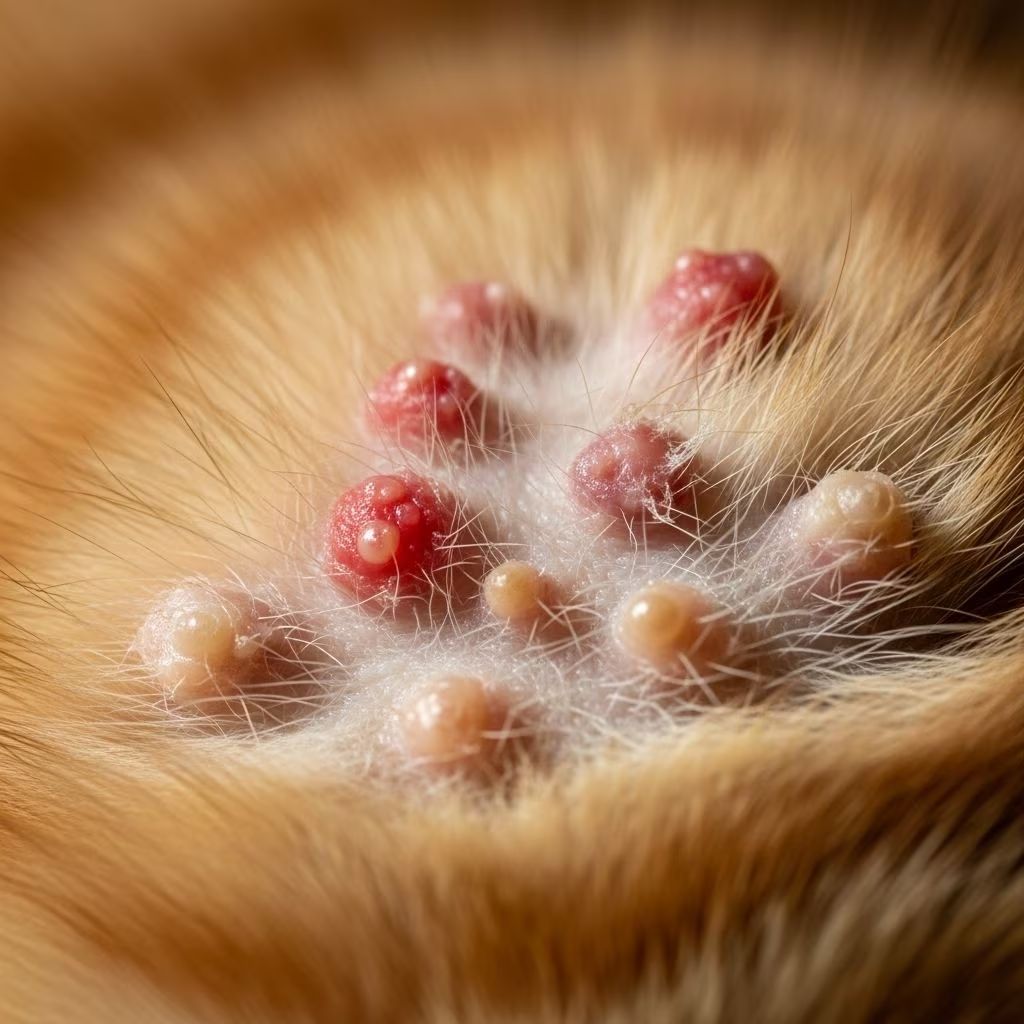
Bumps on a cat’s skin, often appearing as small raised nodules, lumps, or crusty lesions, are common and can range from harmless irritations to signs of serious health issues. These skin abnormalities, known medically as papulonodular dermatoses or miliary dermatitis, frequently stem from allergies, parasites, infections, or inflammatory conditions. While many resolve with proper care, prompt veterinary evaluation is crucial to rule out neoplasia or chronic diseases, ensuring your cat’s comfort and health.
What Are Bumps on a Cat’s Skin?
Bumps on feline skin manifest as small, red, crusty papules or larger swellings that may itch intensely, leading to scratching, hair loss, and secondary infections. Miliary dermatitis, a prevalent form, presents as millet seed-like (miliary) eruptions across the back, neck, and base of the tail, often triggered by flea allergy dermatitis. These lesions differ from subcutaneous masses, as cutaneous bumps move with the skin surface and can feel gritty or scabby upon palpation. Owners might notice excessive grooming, restlessness, or behavioral changes due to discomfort.
Common Causes of Bumps on Cats’ Skin
Several factors contribute to skin bumps in cats. Understanding these helps in early intervention.
- Flea Allergy Dermatitis (Most Common): Even a single flea bite hypersensitizes some cats, causing intense itching and miliary bumps, especially along the dorsal region. Fleas thrive in warm environments, exacerbating outbreaks seasonally.
- Other Parasites: Mites (e.g., demodex, notoedres), ticks, lice, or nematodes burrow or bite, provoking localized swellings or widespread dermatitis. Ticks create firm bumps at attachment sites, while ear mites cause head shaking and crusts.
- Bacterial or Fungal Infections: Pyoderma from folliculitis or secondary to trauma features pus-filled nodules. Ringworm, a fungal issue, yields circular alopecia with scaling bumps.
- Allergies (Food, Environmental, Contact): Atopic dermatitis or food sensitivities lead to eosinophilic plaques—raised, ulcerative bumps. Environmental allergens like pollen trigger similar reactions.
- Abscesses: Fight wounds introduce bacteria, forming painful, fluctuant lumps that rupture, common in outdoor cats.
Less Common Causes
- Acne and Sebaceous Gland Issues: Chin acne produces comedones (blackheads) evolving into inflamed bumps.
- Eosinophilic Granuloma Complex: Immune-mediated, presenting as linear granulomas or rodent ulcers on lips and paws.
- Solar Dermatitis: Sun exposure on light-skinned ears/nose causes crusty, erosive bumps.
- Neoplasia: Benign (warts, cysts) or malignant (mast cell tumors, squamous cell carcinoma) growths increase with age.
Symptoms to Watch For
Beyond visible bumps, accompanying signs include pruritus (itching), alopecia, excoriations (self-trauma), hyperpigmentation, and behavioral shifts like aggression or lethargy. Acute cases show rapid onset with crusting; chronic ones feature thickened skin (lichenification). Systemic symptoms like fever or weight loss suggest deeper issues such as neoplasia or autoimmune disease.
| Symptom | Possible Cause | Severity |
|---|---|---|
| Small crusty papules on back | Flea allergy/miliary dermatitis | Mild-Moderate |
| Painful, warm swelling | Abscess/infection | Moderate-Severe |
| Ulcerative lip lesions | Eosinophilic granuloma | Moderate |
| Firm, growing mass | Tumor/cyst | Severe |
When to See a Vet
Consult a veterinarian immediately if bumps persist >1-2 weeks, grow rapidly, ooze, bleed, or impair mobility. Non-resolving lesions, especially in senior cats (>7 years), warrant urgent checks for cancer. Outdoor cats with fight-related abscesses risk sepsis without drainage. Early vet visits prevent complications like chronic infections or scarring.
Diagnosis of Cat Skin Bumps
Vets start with history-taking: onset, diet changes, flea exposure, outdoor access. Physical exams include skin scrapes, cytology (stains for bacteria/yeast), fungal cultures, and biopsies for suspicious masses. Bloodwork (CBC, chemistry, urinalysis) rules out systemic disease; allergy trials (food elimination) confirm hypersensitivities. Imaging or fine-needle aspirates assess deeper lumps. Accurate diagnosis tailors effective treatment.
Treatment Options for Bumps on Cat Skin
Treatment targets the root cause:
- Parasite Control: Flea preventives (topical/oral), parasiticidal baths/dips for mites/ticks.
- Infections: Antibiotics (e.g., cephalexin) oral/topical; antifungals for ringworm.
- Allergies/Inflammation: Corticosteroids, antihistamines, cyclosporine (Atopica®), or immunotherapy post-allergy testing.
- Abscesses: Lancing, flushing, antibiotics ± surgery.
- Tumors: Surgical excision; oncology referral for malignancies with chemo/radiation.
- Supportive Care: Medicated shampoos, essential fatty acids, cone collars to curb scratching.
Monitor response; recurrence signals ongoing allergens/parasites.
Prevention Tips
- Year-round flea prevention for all household pets.
- Hypoallergenic diets; novel protein trials for food allergies.
- Indoor living to avoid fights/parasites.
- Regular grooming/brushing to detect issues early.
- Sun protection (shade, sunscreen) for light-coated cats.
Frequently Asked Questions (FAQs)
Are skin bumps on cats always serious?
No, many are benign like flea reactions or bug bites, but persistent or growing bumps require vet evaluation to exclude cancer or infections.
Can I treat cat skin bumps at home?
Mild cases may improve with flea control or oatmeal baths, but avoid self-medicating; consult a vet for antibiotics or steroids to prevent worsening.
Why does my cat have bumps only on its back?
This classic distribution points to flea allergy dermatitis, as fleas target the dorsal midline.
How long do cat skin bumps take to heal?
With treatment, 1-4 weeks; untreated allergies can persist chronically.
Do indoor cats get skin bumps?
Yes, from food allergies, mites, or genetics; fleas can hitchhike indoors.
References
- Skin Bumps (Papulonodular Dermatoses) Cats — PetMD. 2023. https://www.petmd.com/cat/conditions/skin/c_ct_skin_bumps_masses
- Lumps and bumps in cats: What causes them and what should you do — RSPCA Pet Insurance. 2024. https://www.rspcapetinsurance.org.au/pet-care/cat-care/cat-lumps-bumps
- Skin Lumps and Bumps in Cats: What You Should Know — WebMD. 2023. https://www.webmd.com/pets/cats/cats-lumps-bumps-skin
- Recognizing, Diagnosing and Treating Cat Skin Conditions — Belton Vet Clinic. 2024. https://www.beltonvetclinic.com/services/cats/cat-skin-conditions
- Feline Miliary Dermatitis — VCA Animal Hospitals. 2024. https://vcahospitals.com/know-your-pet/feline-miliary-dermatitis



