

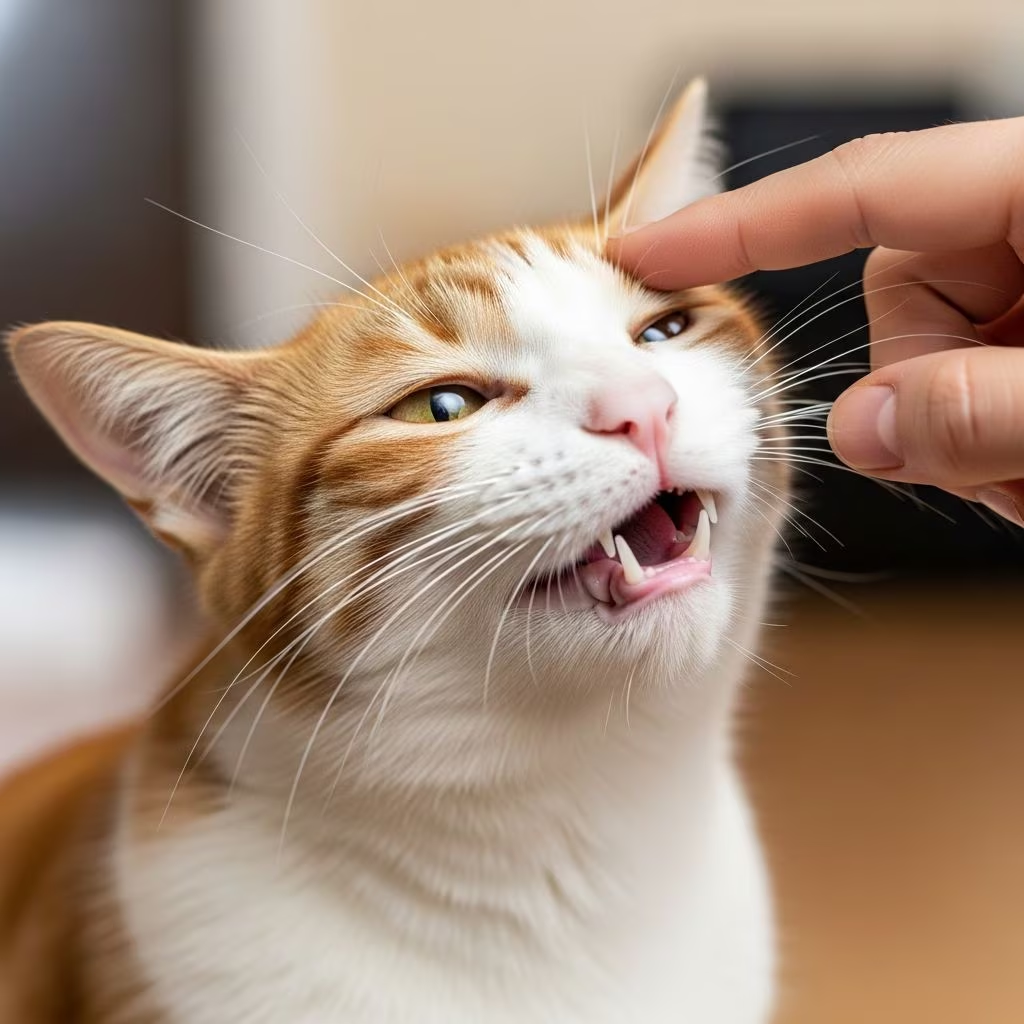
Many cat owners experience the sudden nip during a seemingly enjoyable petting session, leaving them puzzled and sometimes sore. This behavior, often called petting-induced aggression or love bites, stems from a mix of overstimulation, communication needs, and individual sensitivities rather than outright malice. Understanding the underlying causes allows owners to respond appropriately, strengthening the human-feline bond while minimizing bites.
Understanding Petting-Induced Aggression in Cats
Petting-induced aggression occurs when a cat enjoys initial touch but suddenly bites to signal ‘enough.’ Cats seek affection by rubbing against legs or jumping on laps, yet redirect aggression toward the petting hand. Unlike fear-based attacks with hissing or growling, these bites are typically gentle and arise from confidence or learned control. Research links poor early socialization—such as feral origins or minimal handling—to heightened sensitivity, making prevention through gentle kitten grooming crucial.
Cats use biting as communication, akin to colony interactions where aggression ends unwanted contact. Static electricity from petting can irritate, prompting bites, especially in dry environments. Confident cats may ‘control-bite’ for other needs, reinforcing the habit if owners comply.
Common Reasons Why Cats Bite When Petted
Several factors explain this behavior. Here’s a breakdown:
- Overstimulation: Repetitive stroking excites the nervous system, shifting pleasure to irritation. Cats have a low tolerance threshold, biting to halt it—like persistent back-patting annoying a human. Tail base or belly areas are particularly sensitive.
- Love Bites: Gentle nibbles signal affection, bonding, or play, often preceded by licking. They don’t break skin and occur when relaxed.
- Pain or Medical Issues: Arthritis, skin conditions like dermatitis, or injuries make touch painful, triggering defensive bites in specific spots.
- Frustration or Attention-Seeking: Cats bite to redirect play energy or demand more/less interaction.
- Poor Socialization: Kittens without littermates lack bite inhibition, leading to handling intolerance.
| Reason | Signs | Body Language |
|---|---|---|
| Overstimulation | Sudden bite after purring | Tail twitching, ears flattening, skin rippling |
| Love Bite | Gentle nip, relaxed posture | Soft eyes, kneading paws |
| Pain | Bite on specific touch | Hunched back, avoidance |
Reading Your Cat’s Body Language: Early Warning Signs
Prevent bites by spotting cues before they escalate. Key indicators include:
- Tail Signals: Low swishing or thrashing shows rising agitation.
- Ear and Whisker Position: Ears sideways or back, whiskers stiffening signal discomfort.
- Skin and Muscle: Rippling skin along the back or tense muscles under fur.
- Vocalizations: Low growls or chattering, unlike contented purrs.
- Behavioral Shifts: Freezing, head turning toward hand, or paw lifting.
Observing these holistically is vital; a single sign might not indicate a bite. Experienced owners learn their cat’s unique threshold through trial and observation.
Types of Cat Bites and What They Mean
Not all bites are equal. Differentiate to respond correctly:
- Love Bites: Soft, non-painful, affectionate. Redirect gently without scolding.
- Petting Aggression Bites: Firmer, from overstimulation. Stop immediately.
- Aggressive Bites: Deep, with scratches/hisses—indicate fear or pain. Seek vet care.
Grooming bites mimic mutual cat grooming, using teeth lightly. Context and intensity guide interpretation.
How to Stop Petting Aggression: Step-by-Step Guide
Management focuses on respect, training, and desensitization—no punishment, as it worsens fear.
- Identify Tolerance: Pet briefly, stop before cues, reward with treats/toys.
- Short Sessions: Limit to 5-10 seconds initially, building gradually.
- Preferred Areas: Stick to head, chin, cheeks—avoid belly/tail.
- Counter-Conditioning: Pair petting with favorites; end positively, allowing escape.
- Enrich Environment: Provide toys/scratching posts to reduce frustration.
- Vet Check: Rule out pain via exam.
Never restrain; let cats control interactions to build trust. Progress may take weeks, but consistency yields calmer pets.
Preventing Cat Bites During Petting Sessions
Proactive steps minimize issues:
- Socialize kittens early with gentle handling.
- Watch for environmental irritants like static.
- Use interactive play before petting to expend energy.
- Employ pheromone diffusers for anxiety.
For multi-cat homes, observe inter-cat grooming patterns—face-focused for tolerance clues.
When to See a Vet or Behaviorist
Consult professionals if:
- Bites break skin or intensify.
- New behavior in adults, suggesting health issues.
- Accompanied by litterbox avoidance, hiding.
- Training fails after 4-6 weeks.
Vets check for hyperthyroidism, dental pain, or osteoarthritis. Certified behaviorists offer tailored plans.
Frequently Asked Questions (FAQs)
Are cat love bites dangerous?
Usually not, as they rarely break skin, but any puncture risks infection from bacteria—clean and monitor.
Should I punish my cat for biting during petting?
No; punishment escalates aggression. Redirect and stop petting instead.
Why does my cat bite only certain areas?
Often pain-related; arthritis or skin issues in those spots trigger responses.
Can all cats be trained out of petting aggression?
Most improve with patience, but some need interaction limits for safety.
Is petting aggression more common in certain breeds?
No breed specificity; linked to socialization and personality.
References
- Why do some cats suddenly bite while being pet? — Wisconsin Petcare. 2023. https://wisconsinpetcare.com/why-do-some-cats-suddenly-bite-while-being-pet-by-katelyn-schutz-cpdt/
- Cat Love Bites: Why They Happen and How To Respond — PetMD. 2024-01-15. https://www.petmd.com/cat/behavior/cat-love-bites
- Why is my cat biting me? — Rancho Village Veterinary Hospital. 2021-12-03. https://www.ranchovillagevet.com/site/blog/2021/12/03/cat-biting-while-petting
- Cat Behavior Problems: Petting Aggression — VCA Animal Hospitals. 2023. https://vcahospitals.com/know-your-pet/cat-behavior-problems—aggression—petting-aggression
- Petting-Induced or Overstimulation Aggression in Cats — Humane Society of Huron Valley. 2023. https://www.hshv.org/petting-induced-or-overstimulation-aggression-in-cats/



