

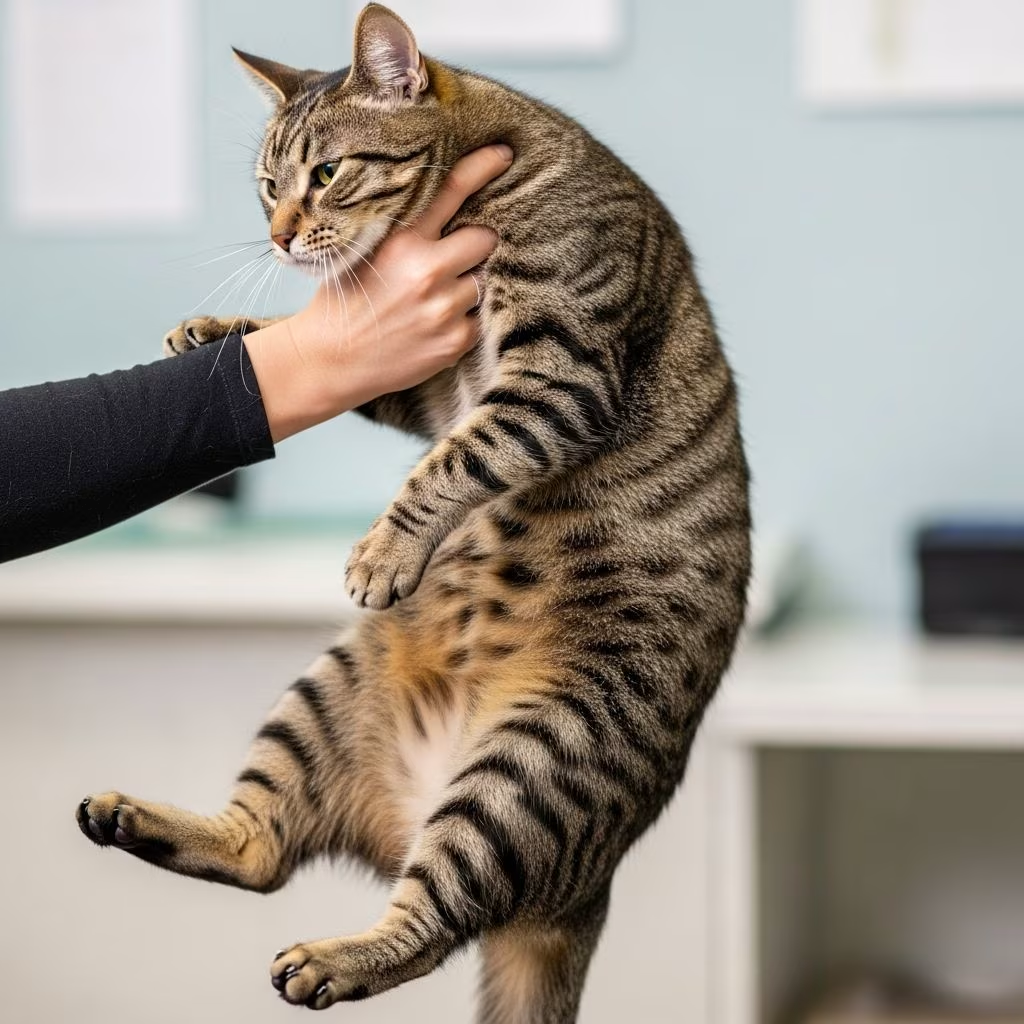
Many cat owners notice that when they grab an adult cat by the loose skin at the back of the neck—known as scruffing—the cat suddenly goes limp. This reaction mimics the behavior seen in kittens carried by their mothers, sparking curiosity and common questions about whether it’s safe or effective for handling grown cats. While it may appear calming, research and veterinary experts reveal that this response in adults often signals stress rather than relaxation, rooted in an instinctual shutdown rather than comfort.
Understanding this phenomenon requires exploring feline instincts, developmental biology, and modern animal welfare practices. Historically, scruffing was viewed as a natural restraint method, but contemporary insights from veterinary behaviorists emphasize its potential to erode trust and induce fear. This article delves into the science, risks, alternatives, and best practices for handling cats humanely.
Understanding the Scruffing Instinct in Cats
The scruffing response originates from early kittenhood. Mother cats grasp kittens by the scruff—a fold of loose skin over the neck—to transport them safely to the nest. This triggers the “flexor reflex,” a neurological response causing the kitten’s body to go limp, preventing injury during movement. Newborn kittens lack full muscle control, so this reflex ensures they dangle securely without thrashing.
This reflex is hardwired for survival but fades rapidly. Studies and veterinary observations confirm it diminishes within the first few weeks of life, typically by 4-6 weeks, as kittens gain mobility and strength. By adulthood, the reflex is absent; what owners perceive as limpness is not relaxation but a freeze response—a fear-based shutdown where the cat conserves energy and avoids escalating threats.
- Kitten Phase (0-4 weeks): Flexor reflex active; cat goes limp instinctively for safe transport.
- Weaning to Juvenile (4-12 weeks): Reflex wanes; scruffing may still elicit partial response but introduces discomfort.
- Adult Cats (3+ months): No reflex; limpness indicates learned helplessness or stress-induced immobility.
In wild scenarios, adult cats might experience scruffing during mating, fights, or predator attacks—all high-stress events. Lifting hind legs off the ground amplifies vulnerability, triggering defensive instincts or total withdrawal.
Why Adult Cats Go Limp: The Stress Shutdown Explained
When you scruff an adult cat, their limp appearance is deceptive. Unlike kittens, adults possess developed musculature, making the hold uncomfortable and exposing sensitive neck skin to pinching or strain. The cat’s body language—dilated pupils, flattened ears, tucked tail, or stiff whiskers—often betrays anxiety, even if they don’t struggle.
Veterinary behaviorists describe this as a “learned helplessness” state. Cats, as prey animals, have three primary stress responses: fight, flight, or freeze. Scruffing removes control, prompting freeze as the safest option. Lack of visible resistance is not calm; it’s behavioral suppression, where the cat endures to survive.
| Sign of True Relaxation | Sign of Stress Shutdown |
|---|---|
| Soft eyes, slow blinks, purring | Dilated pupils, rigid body, no vocalization |
| Laid-back posture, kneading paws | Limp dangling, ears back, tail twitch |
| Voluntary contact, rubbing against hand | Avoidance post-handling, hiding |
Repeated scruffing reinforces negative associations, leading to defensive behaviors like swatting, biting, or generalized handling aversion. A Tufts University veterinary expert notes that while scruffing might immobilize briefly, it damages long-term human-cat bonds.
Is Scruffing Safe for Adult Cats?
Scruffing adult cats is generally not safe or recommended for routine use. Physically, it risks neck strain, skin abrasions, or spinal discomfort, especially in larger or overweight cats. Emotionally, it heightens cortisol levels, chronic stress hormone, eroding trust and increasing aggression risks.
Vets reserve scruffing for emergencies, combining it with towel wraps or sedation for safety. Routine home use correlates with fearful behaviors: cats may become defensive during petting, grooming, or vet visits. One study-linked observation from animal hospitals shows scruffed cats develop handling sensitivities, associating touch with pain or loss of control.
- Physical Risks: Pinched skin, muscle pulls, breathing restriction if lifted fully.
- Behavioral Risks: Trust erosion, aggression, avoidance of carriers or exams.
- Health Impacts: Elevated stress impairs immunity, exacerbates conditions like cystitis.
The Risks and Negative Effects of Scruffing Adult Cats
Beyond immediate stress, habitual scruffing yields long-term drawbacks. Cats learn humans are unpredictable threats, leading to poor socialization. Fearful cats hide more, play less, and resist care, complicating health maintenance.
Common outcomes include:
- Fearful Defensiveness: Quick shifts to fight/flight, scratching during innocent interactions.
- Handling Sensitivities: Biting or fleeing from brushes, nail trims, or meds.
- Reduced Welfare: Chronic anxiety affects appetite, sleep, and litter habits.
Humane Society insights emphasize that “lack of behavior is behavior,” urging owners to interpret stillness as distress, not compliance.
Gentle Alternatives to Scruffing Your Cat
Modern cat care prioritizes low-stress handling (LSH) techniques, fostering cooperation over force. These methods build trust, reduce vet visit phobias, and enhance bonding.
The Towel “Burrito” Wrap
Wrap your cat snugly in a towel, leaving the head free initially. This “purrito” secures legs, minimizing scratches while providing pressure-like security, akin to denning. Ideal for meds, trims, or transport.
Positive Reinforcement Training
Use treats, toys, or clicks to reward calm handling. Teach cues like “station” (go to mat) or carrier entry. Consistency yields voluntary compliance; cats learn handling predicts rewards.
Proper Two-Handed Lift
Support chest with one hand, hindquarters with the other. Keep feet off ground briefly, maintaining body alignment. Approach from the side, speak softly.
Carrier and Environmental Training
Make carriers cozy with familiar bedding; feed meals inside. Create safe spaces for retreat, reducing overall anxiety.
When Might Scruffing Still Be Used?
In rare veterinary emergencies—e.g., uncontrolled aggression or life-saving interventions—trained professionals may scruff briefly alongside other restraints. This is never DIY; improper technique escalates risks. Always consult Fear Free-certified vets for guidance.
Building Trust Through Positive Cat Handling
Prevention beats correction. Start handling sessions short (1-2 minutes), post-meal when relaxed. Watch body language: slow blinks mean trust; stiffening means stop. Over time, cats associate touch with positivity.
- Play daily to burn energy, reducing reactivity.
- Use pheromone diffusers for calm ambiance.
- Enroll in certified low-stress clinics.
Frequently Asked Questions (FAQs)
Why do mother cats scruff their kittens?
Mother cats scruff kittens to transport them safely in early weeks, triggering a flexor reflex that causes limpness to prevent injury. This reflex fades by 4-6 weeks.
Does scruffing hurt adult cats?
Yes, it often causes discomfort due to stronger neck muscles and skin sensitivity. It signals stress, not calm, potentially leading to pain or injury if mishandled.
Is it okay to scruff my cat for discipline?
No; scruffing mimics stressful wild events and teaches fear, not learning. Use positive reinforcement for training instead.
What if my cat goes limp and seems relaxed?
Limpness in adults is a freeze response from helplessness. Check for stress signs like ear position or pupils; true relaxation involves purrs and blinks.
How can I trim my cat’s nails without scruffing?
Towel wrap, distract with treats, trim during play recovery. Train gradually over sessions.
Key Takeaways for Cat Owners
Scruffing adult cats is an outdated myth; prioritize empathy and science-backed methods. Gentle handling preserves welfare, strengthens bonds, and eases care. Consult vets for personalized advice.
References
- Scruffing Cats: The Surprising Truth About This Common Handling Myth — Humane Society of Huron Valley. 2023. https://www.hshv.org/scruffing-cats-the-surprising-truth-about-this-common-handling-myth/
- Is It Safe to Scruff Cats? — Shawsheen Animal Hospital. 2024. https://shawsheenanimalhospital.com/blog/scruffing-a-cat/
- Is Scruffing the Best Way to Handle an Upset Cat? — Tufts University Now. 2019-08-14. https://now.tufts.edu/2019/08/14/scruffing-best-way-handle-upset-cat



