

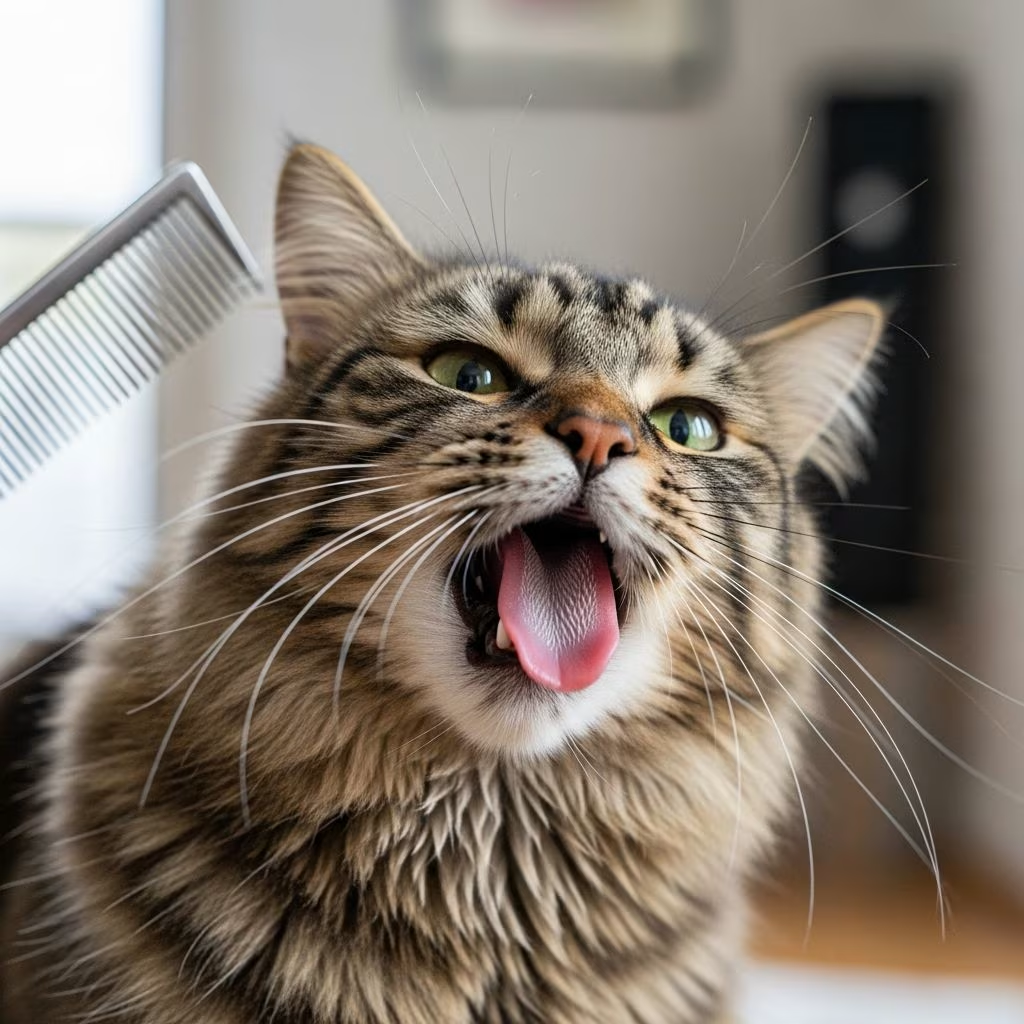
Cats often gag, retch, or show discomfort when combed due to their highly sensitive skin, improper tool use, overstimulation, or underlying health issues. Understanding these triggers allows owners to groom effectively and safely, preventing distress and promoting feline well-being.
What Does It Mean When a Cat Gags While Being Combed?
When a cat gags during combing, it typically signals irritation or an unpleasant sensation rather than actual vomiting. This reflex mimics a choke response, where the cat’s throat muscles contract involuntarily. Cats possess over 200 million scent receptors, making their sensory experience intense; a comb’s teeth can feel like sharp pokes on their delicate skin, which has fewer pain thresholds than human skin. This discomfort prompts gagging as a defensive reaction to remove the perceived threat.
Common signs include open-mouth breathing, pawing at the face, drooling, or fleeing. Unlike hairballs, which involve hacking and expectoration, comb-induced gagging stops once the stimulus ends. Owners might mistake this for nausea, but it’s often tactile hypersensitivity. Regular grooming desensitizes cats over time, reducing reactions.
Reasons Why Cats Gag When Combed
Several factors contribute to this behavior. Here’s a breakdown:
- Sensitive Skin: Feline skin is thinner and more nerve-rich than dogs’. Comb tines pressure these nerves, causing gag-like reflexes, especially on the belly or flanks.
- Improper Tools: Metal combs with wide-spaced teeth snag fur, pulling skin and triggering aversion. Plastic or dull tools exacerbate this.
- Overstimulation: Cats entering ‘zoomies’ or overstimulation bite during grooming; gagging precedes this as an early warning.
- Mats and Tangles: Pulling matted fur yanks skin, eliciting gag responses from pain.
- Stress and Fear: Unfamiliar handling or environments heighten sensitivity, turning grooming into a stressor.
- Health Issues: Dental problems, nausea, or respiratory conditions amplify reactions.
Sensitive Skin and Nerve Endings
Cats’ skin contains specialized mechanoreceptors that detect fine touch. Combing applies uneven pressure, overstimulating these, leading to reflexive gagging. Areas like the neck and tail base are hotspots due to higher nerve density.
Improper Grooming Tools
Not all combs suit cats. Wide-toothed metal combs designed for dogs pull feline undercoat harshly. Opt for cat-specific slicker brushes or rubber grooming mitts instead.
| Tool Type | Suitable for Cats? | Why or Why Not? |
|---|---|---|
| Metal Wide-Tooth Comb | No | Pulls skin, causes pain and gagging. |
| Slicker Brush | Yes | Gentle pins remove loose fur without snagging. |
| Rubber Curry Brush | Yes | Mimics licking, low-pressure grooming. |
| Flea Comb | Occasional | Fine teeth irritate if overused. |
Overstimulation During Grooming
Cats have a low tolerance for prolonged touch. After 5-10 minutes, endorphins shift to agitation, prompting gags or swats. Short, positive sessions prevent this.
Matted Fur and Skin Pulling
Mats form from shed undercoat. Combing yanks them, stretching skin and causing gag reflexes. Daily brushing prevents buildup.
Stress and Anxiety
Unfamiliar tools or rough handling spike cortisol, heightening sensory aversion. Calming pheromones or treats help.
Underlying Health Problems
Gagging may indicate nausea from diet changes, infections, or allergies. Persistent cases warrant vet checks for gastrointestinal or oral issues.
How to Stop Your Cat from Gagging When You Comb Them
Prevent gagging with these strategies:
- Choose cat-safe tools like soft-bristle brushes.
- Groom in 3-5 minute sessions, rewarding with treats.
- Use gentle, stroke-like motions following fur growth.
- Trim nails first to avoid scratches.
- Incorporate play to associate grooming positively.
Choose the Right Grooming Tools
Select tools with rounded tips and flexible bristles. Avoid flea combs for full grooming; reserve for spot checks.
Groom in Short Sessions
Start young; kittens adapt best. Adults need gradual desensitization.
Use Proper Technique
Hold loosely, support body weight. Never scruff solely. Use lap or towel wraps for security.
Make Grooming Positive
Pair with treats, praise. Feliway diffusers calm nerves.
Trim Nails Regularly
Blunt claws reduce injury risk during sessions.
Safe Grooming Techniques for Cats
Prioritize low-stress handling. Create quiet spaces, no loud noises. Begin at head, move tailward lightly. For baths, use cat shampoo sparingly; many cats need none if brushed well.
- Support full body weight.
- Avoid neck loops; use Trach Savers if needed.
- Clean ears gently with cloths, no swabs.
- Monitor for stress cues: twitching tail, flattened ears.
Groomer Safety Tips
Wear bite gloves, use muzzles if aggressive. Disinfect surfaces; avoid ammonia cleaners irritating to cats.
When to See a Vet for Cat Gagging
Consult if gagging persists post-grooming, accompanies vomiting, weight loss, or lethargy. Rules out allergies, infections, or megaesophagus.
FAQs
Why does my cat gag but not vomit when combed?
It’s a reflex to irritation, not nausea. Stop and switch tools.
Is it normal for cats to gag during grooming?
Occasional yes, but frequent indicates poor technique or tools.
What tools won’t make my cat gag?
Slicker brushes, grooming gloves, rubber mitts.
How often should I groom my cat?
Daily for longhairs, 2-3x weekly short hairs.
Can stress cause gagging in cats?
Yes; use calming aids and short sessions.
References
- Cat Grooming Safety in Pet Salons — Retro Stylist Wear. 2023-05-15. https://retrostylistwear.com/blogs/news/cat-grooming-safety-in-pet-salons
- Mastering the Art of Cat Grooming: Tools, Techniques, and Safety Essentials — ZoomZoomGroom. 2024-02-10. https://www.zoomzoomgroom.com/blog/mastering-the-art-of-cat-grooming-tools-techniques-and-safety-essentials/
- Grooming Aggressive Cats — Groomarts. 2017-06-20. https://www.groomarts.com/blogs/2017/grooming-aggressive-cats
- Using Restraints on Cats — National Cat Groomers Institute. 2023-11-05. https://nationalcatgroomers.com/blogs/cat-grooming-training/using-restraints-on-cats
- Feline Bathing Tips | Safe Cat Grooming Guide — PetEdge. 2024-01-12. https://www.petedge.com/blog/feline-bathing-tips/



