Why Do Rabbits Binky: What It Means And How To Encourage
Understand rabbit binkying behavior and what it means for your bunny's happiness.
Why Do Rabbits Binky? Is This Normal?
If you’re a rabbit owner, you’ve likely witnessed one of the most delightful behaviors your furry friend can display: binkying. This spontaneous, energetic movement is one of the most authentic expressions of joy in the rabbit world. Whether you’re new to rabbit ownership or have had your bunny companion for years, understanding what binkying means and why your rabbit does it can deepen your connection with your pet and help you recognize signs of a healthy, happy rabbit.
What Does a Bunny Binky Look Like?
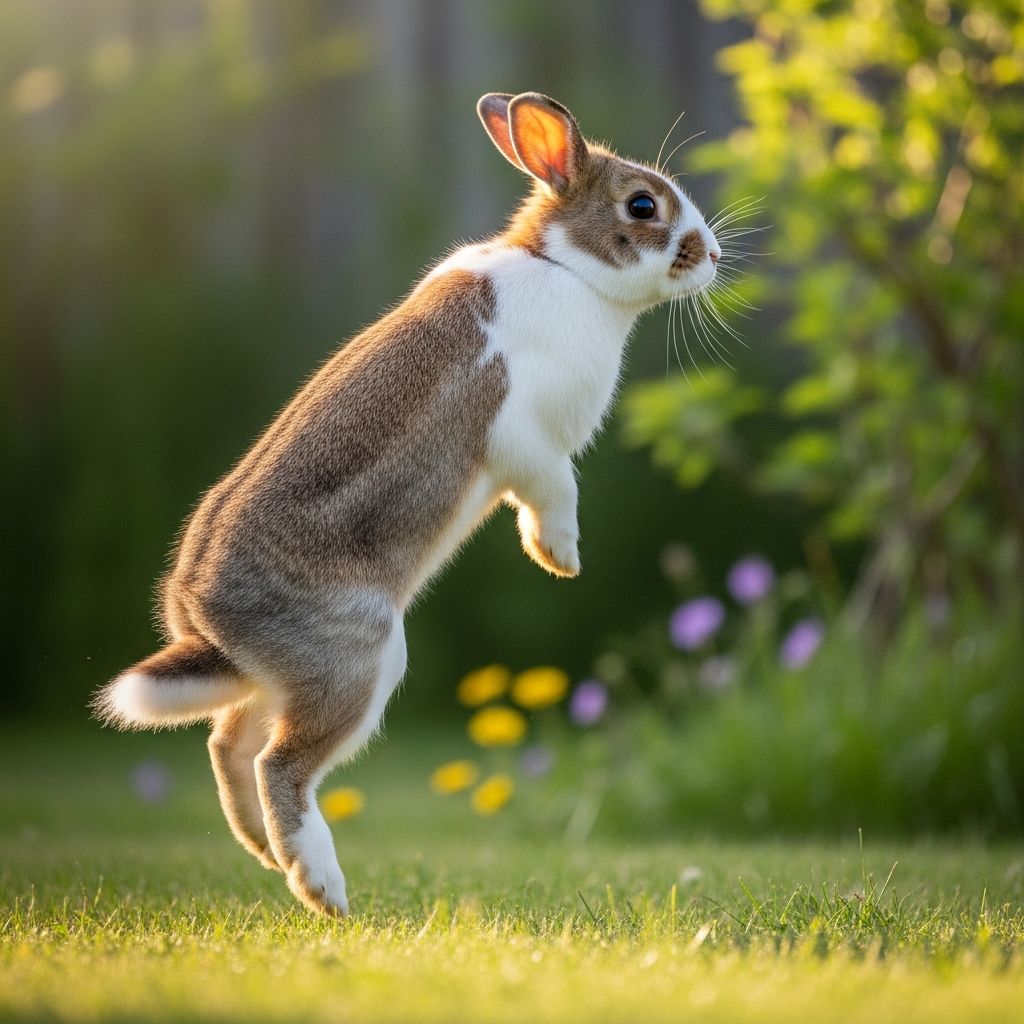
Before we dive into why rabbits binky, it’s important to understand exactly what this behavior entails. Binkying is a distinctive movement pattern that’s instantly recognizable once you know what to look for. According to veterinary experts, binkying or dancing, also called happy hopping, occurs when a rabbit runs around quickly, kicks up its rear limbs to the side, and shakes its head. Sometimes rabbits will also leap into the air with all four feet off the ground simultaneously.
The movement can vary in intensity and style. A “full binky” involves leaping high into the air, often with the rabbit’s body twisting and contorting mid-jump. During a full binky, you might see the rabbit kicking its feet out in different directions or shaking its entire body. A half binky, on the other hand, may look less dramatic and might consist of just a head flick accompanied by some ear movements.
Rabbits often perform binkies in succession, creating a grand acrobatic display that’s truly entertaining to watch. Some rabbits build up to a binky by taking a running start, while others perform sudden bursts of binkying to the side. The variation in style is part of what makes watching rabbit binkies so enjoyable for pet owners.
What Does It Mean When Rabbits Binky?
Binkying is a totally normal rabbit behavior, and when your bunny performs it, they’re communicating something important: they’re happy. According to veterinary professionals, binkying occurs when your rabbit is feeling well, is otherwise doing okay, and is happy. It’s one of the most straightforward ways your rabbit expresses contentment and well-being.
Domestic rabbits who are energized or excited are more likely to binky. This behavior often occurs during playtime, when your rabbit is exploring new environments, or when they anticipate something exciting like treat time. You might notice your bunny binkying when:
- They receive their favorite treats
- They’re about to play or have just finished playing
- They’re exploring a new space safely
- They’re feeling secure and content in their environment
- They experience a burst of positive energy or excitement
It’s also completely normal if your rabbit doesn’t binky frequently or hasn’t binkied yet. Every rabbit has its own personality and way of expressing emotions. Some rabbits are naturally more energetic and prone to binkying, while others show their happiness in different ways. The absence of binkying doesn’t indicate a problem with your rabbit’s health or happiness.
The Connection Between Binkying and Your Rabbit’s Well-Being
When your rabbit binkies, they’re essentially showing you that they feel good. This behavior is an important indicator of your bunny’s physical and emotional health. A rabbit that binkies regularly is likely living in a safe, secure environment with proper care, nutrition, and enrichment.
Several factors contribute to whether your rabbit will binky:
- Safe Environment: Rabbits are more likely to binky when they feel secure and protected
- Proper Nutrition: A healthy diet supports the energy levels needed for enthusiastic binkying
- Adequate Space: Rabbits need room to run and jump to express this behavior
- Social Interaction: Positive interactions with their owners encourage happy behaviors
- Enrichment Activities: Toys, exploration opportunities, and playtime stimulate binkying
- Health Status: A healthy rabbit is more likely to engage in energetic activities
Understanding the Rare Exception: Binkying Out of Fear
While binkying is almost always a sign of happiness and contentment, there is a rare exception to this rule. In unusual circumstances, a rabbit might binky out of fear or stress. This distinction is important for rabbit owners to understand so you can properly assess your bunny’s emotional state.
In the wild, rabbits are prey animals and have developed various defense mechanisms to escape predators. Binkying, with its sharp, sudden, random movements, may have evolved as a survival technique to confuse predators with unpredictable evasive maneuvers. While domestic rabbits rarely need this survival skill, the instinct remains hardwired in their biology.
When a rabbit binkies out of fear, the movement pattern differs from a happy binky. Fear-based binkying tends to be more panicked and focused on evasion rather than joyful expression. Additionally, you’ll notice accompanying behaviors that indicate distress:
- Running away from people or specific areas
- Hiding after the movement stops
- Zig-zag running patterns
- Signs of anxiety or hypervigilance
- Lack of the playful energy present in happy binkying
If you suspect your rabbit is binkying out of fear, it’s time to evaluate your rabbit’s environment. Remove any harmful factors that might be causing stress or anxiety. This could include loud noises, proximity to predators or aggressive animals, aggressive human behavior, poor housing facilities, or inadequate diet. Creating a calm, secure space is essential for your rabbit’s well-being.
How to Encourage Happy Binkying in Your Rabbit
If you want to see your rabbit binky more often, focus on creating an environment where your bunny feels happy, safe, and content. Here are several strategies to encourage this joyful behavior:
Create a Safe Space: Provide a comfortable living area where your rabbit feels secure. This includes adequate hiding spots, proper ventilation, and protection from loud noises or sudden disturbances.
Provide Proper Nutrition: A healthy diet rich in hay, fresh vegetables, and limited pellets supports your rabbit’s energy levels and overall health. Good nutrition is fundamental to a happy, active bunny.
Offer Plenty of Playtime: Give your rabbit dedicated time to exercise and explore. Whether it’s a spacious playpen or free-roaming time in a rabbit-proofed room, movement opportunities are essential for binkying.
Use Enrichment Activities: Provide toys, tunnels, cardboard boxes, and other items that encourage exploration and mental stimulation. Different textures and objects keep playtime interesting.
Treat Rewards: Use favorite treats as positive reinforcement. The anticipation of treats often triggers binkying behavior in excited rabbits.
Gentle Handling: Build trust with your rabbit through calm, positive interactions. A rabbit that trusts you is more likely to feel relaxed and express happiness through binkying.
Related Happy Rabbit Behaviors
Binkying isn’t the only way your rabbit expresses happiness and contentment. Understanding other rabbit behaviors can give you a fuller picture of your bunny’s emotional state:
Zoomies: When rabbits zip around the room in a blur with bursts of speed, they have the “zoomies.” This indicates your rabbit is very excited and energetic. Zoomies are often accompanied by fantastic binkies and demonstrate pure joy.
Flopping: When a rabbit flops over on their side, it indicates a content and tired bunny. A bunny flop is often comical to watch and shows your rabbit feels safe enough to rest in a vulnerable position.
Purring/Teeth Grinding: Rabbits sometimes grind their teeth when they’re being petted as a sign of contentment, similar to a cat’s purr. However, it’s important to note that teeth grinding can also indicate discomfort or pain, so observe your rabbit’s overall body language to determine which it is.
Nose Bonking: Gentle nudging with the nose can indicate affection and a desire for attention or petting.
Frequently Asked Questions About Rabbit Binkying
Q: Is it normal if my rabbit doesn’t binky?
A: Yes, it’s completely normal if your rabbit doesn’t binky or hasn’t binkied yet. Every rabbit has a unique personality and different ways of expressing emotions. Some rabbits are naturally more energetic and prone to binkying, while others show their happiness through different behaviors. As long as your rabbit appears healthy, eats well, and shows interest in their surroundings, the absence of binkying isn’t a cause for concern.
Q: Why does my rabbit binky at specific times?
A: Rabbits often binky at predictable times, such as when they anticipate treats or during their natural active periods. Many rabbits are most energetic during dawn and dusk, which mirrors their natural activity patterns in the wild. You might notice increased binkying during playtime, after exercise, or when they’re excited about something.
Q: Can older rabbits still binky?
A: Yes, rabbits of various ages can binky. However, older rabbits may binky less frequently or with less intensity due to age-related changes in energy levels and mobility. This is normal and doesn’t indicate a health problem unless accompanied by other signs of illness or declining health.
Q: What should I do if my rabbit stops binkying?
A: A sudden change in behavior, including a decrease in binkying, could indicate a health issue or environmental stressor. If your rabbit suddenly stops binkying and shows other signs of illness (such as decreased appetite, lethargy, or changes in litter box habits), consult a veterinarian. Additionally, evaluate your rabbit’s environment for any new stressors or changes that might affect their mood.
Q: Is binkying the same in indoor and outdoor rabbits?
A: Binkying behavior is similar in both indoor and outdoor rabbits, but indoor rabbits may have more opportunities to binky due to controlled environments and regular human interaction. Outdoor rabbits might binky less frequently if they’re focused on foraging or environmental awareness, but the behavior remains a sign of happiness when it does occur.
Q: How can I tell if my rabbit is binkying out of joy versus fear?
A: Happy binkying typically occurs during playtime or positive interactions and is accompanied by relaxed body language. Fear-based binkying is more panicked, focused on evasion, and usually followed by hiding or running away. Context is key—observe what’s happening before and after the behavior to determine your rabbit’s emotional state.
Conclusion
Binkying is one of the most wonderful behaviors you’ll witness as a rabbit owner. It’s a clear, joyful expression of your rabbit’s happiness and well-being. Understanding this behavior—what it looks like, what it means, and how to encourage it—deepens your appreciation for your bunny companion and helps you ensure they’re living their best life.
Remember that every rabbit is unique, and not all rabbits binky frequently. What matters most is that your rabbit appears healthy, content, and engaged with their environment. By providing a safe, nurturing space with proper nutrition, enrichment, and positive interaction, you’re setting the stage for a happy bunny who might reward you with those delightful, heart-warming binkies that make rabbit ownership so special.
References
- Pet Rabbit Body Language and Bunny Behavior — Best Friends Animal Society. 2024. https://bestfriends.org/pet-care-resources/pet-rabbit-body-language-and-bunny-behavior
- Binkies, Nose Bonks and Flops: Rabbit Behavior Explained — My House Rabbit. 2024. https://myhouserabbit.com/rabbit-behavior/binkies-nose-bonks-and-flops-bunny-behavior-explained/
- Why Do Rabbits Binky? The Science Behind Their Joyful Leaps — Guinea Dad. 2024. https://www.guineadad.com/blogs/bunnydad-blogs/ever-seen-a-rabbit-fly-the-surprising-science-behind-their-joyful-leaps
- Popcorning and Binkying — Vital Pet Club. 2024. https://www.vitalpetclub.co.uk/popcorning-and-binkying/
- Binkying — Nibble & Gnaw. 2024. https://nibbleandgnaw.com/blogs/nibble-gnaw-blog/binkying
Similar Articles








Read full bio of medha deb