

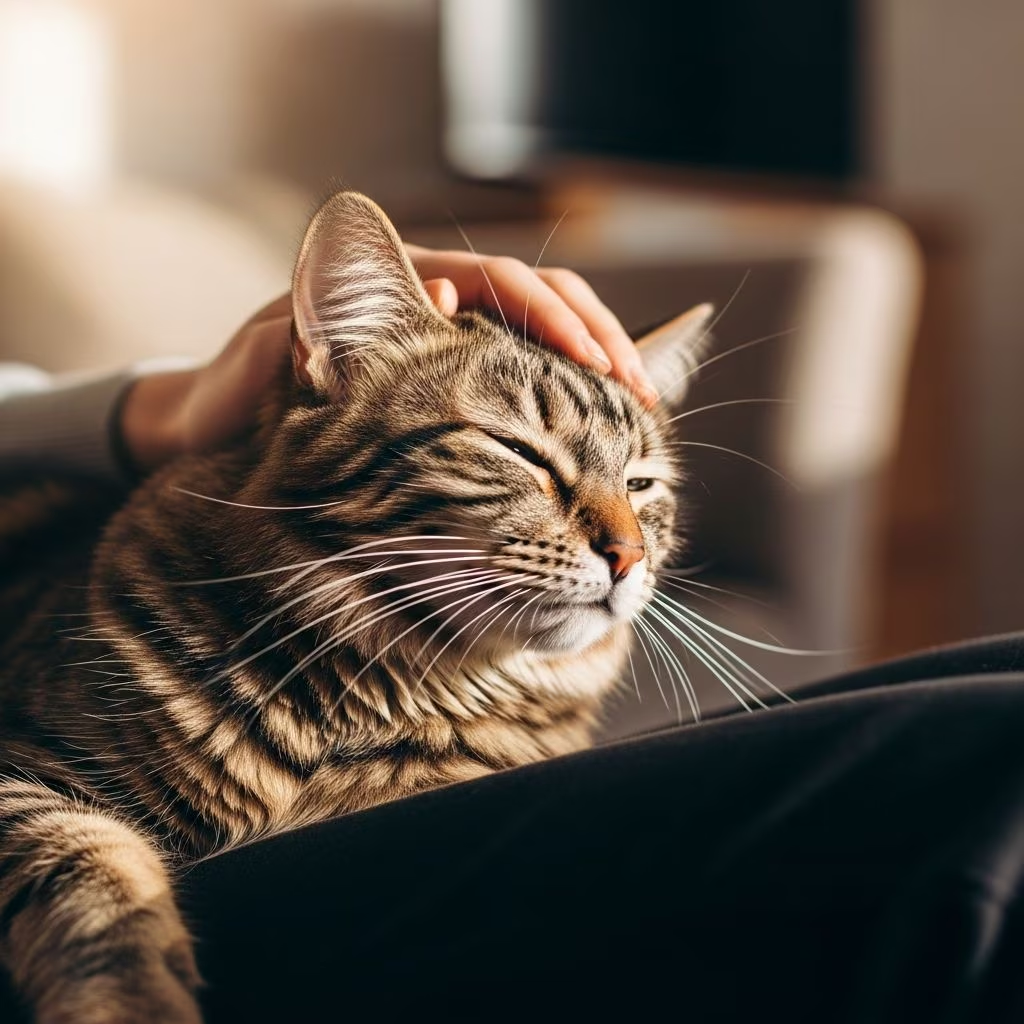
Cats have become one of the most beloved pets across the globe, and for good reason. With approximately 46.5 million households in the United States alone sharing their homes with feline companions, cats have secured a special place in our hearts and homes. But what drives this universal affection? The reasons are as diverse as cats themselves, ranging from biological triggers hardwired into our brains to the profound emotional connections we form with these independent creatures. Understanding why people are drawn to cats reveals insights into human psychology, biology, and the powerful bonds we form with animals.
The Science of Cuteness: Why Cats Appeal to Our Instincts
One of the most fundamental reasons people like cats is surprisingly scientific. Cats possess specific physical features that trigger nurturing instincts in humans. Their large, round eyes, small noses, and playful demeanor closely resemble those of human babies, activating our natural caregiving responses. This phenomenon, known as the “kindchenschema” or baby schema, is a biological trigger that makes us want to protect and care for cute creatures.
Beyond their facial features, cats exhibit playful behaviors that amplify their appeal. Their curiosity, agility, and sometimes clumsy antics create an endearing quality that draws people toward them. This combination of visual cuteness and entertaining behavior makes cats irresistible companions that naturally inspire affection and devotion.
Low-Maintenance Companionship: Freedom and Flexibility
Unlike many other pets, cats offer the unique advantage of being relatively low-maintenance companions. Once cats feel established in their home environment, they become remarkably self-sufficient. They quickly learn to use litter boxes without extensive training, and they don’t require daily outdoor walks like dogs do. This independence makes cats ideal for busy individuals, apartment dwellers, and anyone seeking a pet that doesn’t demand constant attention or elaborate care routines.
However, it’s important to note that while cats are independent, they still require daily interaction and attention. Neglected cats can develop behavioral issues including boredom, depression, and separation anxiety. The beauty of cat ownership lies in finding the right balance—providing companionship without the demanding schedules required by more dependent pets.
Key Advantages of Cat Independence:
- No need for daily outdoor walks or extensive exercise routines
- Minimal formal training requirements
- Self-cleaning and generally hygienic creatures
- Adaptable to apartment living and small spaces
- Suitable for people with busy lifestyles
The Cuddle Factor: Affection on Their Terms
While some cats maintain a reputation for aloofness, many breeds are renowned for their affectionate nature and cuddling tendencies. Breeds such as Burmese, Maine Coon, Persian, Ragdoll, and Siamese cats are particularly known for seeking out human companionship and physical affection. These feline cuddle buddies are soft, warm, and often enjoy extended napping sessions with their owners.
What makes cat affection special is that it’s often selective and genuine. When a cat chooses to snuggle with you, it feels like a conscious decision—a gift of trust and comfort. Heat-seeking cats often curl up next to their owners on cool evenings, creating moments of genuine connection and intimacy. This selective affection makes the moments when cats show love feel particularly meaningful and rewarding.
Mental Health Benefits: Therapeutic Companions
One of the most significant reasons people love cats is their remarkable impact on mental health. Research has consistently demonstrated that cat ownership provides substantial psychological benefits to their human companions. According to surveys, 69% of cat owners reported experiencing reduced stress and anxiety when around their cats. Additionally, 66% of cat owners noted that their feline friends provided a calming presence in their lives.
Beyond stress reduction, cat owners report feeling happier, more confident, and less nervous. The companionship of a cat offers what many describe as unconditional love and support, providing meaningful emotional connections that enhance overall well-being. For individuals struggling with mental health challenges, cats can serve as living reminders that they’re not alone and that their emotional needs matter.
Mental Health Benefits of Cat Ownership:
- Reduced stress and anxiety levels
- Increased feelings of happiness and contentment
- Greater emotional confidence and resilience
- Calming presence during difficult times
- Sense of unconditional love and support
- Improved ability to cope with daily challenges
The Healing Power of Purrs: Physical Health Benefits
Beyond psychological benefits, cats possess a unique physical feature that may contribute to human health: their purr. When cats feel content and happy, they produce soothing vibrations through purring. Scientific research suggests that these therapeutic vibrations may offer tangible health benefits to people in their presence. Studies point to potential links between cat purrs and lowered blood pressure, reduced risk of stroke, and decreased likelihood of heart disease.
The frequency and nature of cat purrs may trigger physiological responses in humans that promote healing and relaxation. This natural form of therapy makes cats not just emotional support animals but potentially valuable contributors to our physical health as well. Simply having a purring cat in your lap may be doing more for your cardiovascular system than you realize.
Loyalty and Attachment: Bonds That Matter
Despite their independent reputation, cats are capable of forming deep, meaningful bonds with their owners. While some cats maintain social and outgoing personalities, most cats demonstrate selective loyalty, preferring to direct their affection toward one or two trusted family members. This selectivity doesn’t diminish the strength of their attachment—rather, it makes their loyalty feel more authentic and earned.
Research demonstrates that cats can form strong attachments with their primary caregivers, preferring the company of people who have established themselves as trustworthy and reliable. Cats depend on their owners for safety and security, particularly when they’re feeling nervous or stressed. This mutual dependence creates a bond characterized by genuine trust and affection, not obligation.
Entertainment and Amusement: Natural Entertainers
Cats are naturally entertaining creatures whose antics have made them internet sensations, with cat videos routinely garnering millions of views. Their curious nature drives them to explore, play, and engage with their environment in amusing ways. Whether they’re pouncing on string, chasing laser pointers, batting at hair ties, or discovering the entertainment value of cotton balls, cats bring laughter and joy into homes daily.
The playful spirit of cats makes them excellent companions for people seeking lighthearted fun and amusement. Their unpredictability and quirky behaviors create countless entertaining moments that brighten days and create lasting memories. For many people, the simple act of observing their cat’s natural curiosity and playfulness provides genuine therapeutic relief from life’s stresses.
Intelligence and Cognition: The Smart Pet Choice
Research reveals that people who identify as cat lovers tend to score higher on intelligence tests compared to their dog-loving counterparts. This correlation suggests a natural attraction between intelligent people and cats who, while having cognitive abilities comparable to human toddlers, possess remarkable problem-solving skills and adaptability. Cat people often describe themselves as more introverted, open-minded, and sensitive—traits that align well with the independent, observant nature of cats.
Cats are highly intelligent and observant creatures capable of reading human emotions and responding appropriately. They can learn their names, understand routines, and even recognize individual family members’ facial expressions and emotional states. This cognitive sophistication allows for more nuanced interactions between cats and their owners.
Long Lifespans: Extended Companionship
One of the most precious aspects of cat ownership is the extended time you spend together. Cats typically live 12 to 18 years or longer, with some reaching their early 20s. This longevity means cat owners have decades to develop deep relationships with their feline companions, creating cherished memories and strong bonds that span much of their lives. The extended companionship that cats provide makes the eventual goodbye more difficult, but also makes the years spent together all the more valuable.
Physical Health Benefits Beyond Mental Health
The benefits of cat ownership extend beyond mental health to encompass physical well-being. Studies demonstrate that cat ownership can lower stress levels, which directly reduces the risk of developing cardiovascular diseases—the leading cause of death worldwide. Additionally, early childhood exposure to cats may protect children against developing cat allergies and asthma later in life. Research examining over 700 newborns found that babies exposed to indoor cats during their first year of life had approximately half the risk of developing cat allergies by age 18.
These health benefits suggest that cats contribute to human wellness on multiple levels, from stress reduction to immune system development and cardiovascular protection.
Emotional Intelligence: Understanding Human Feelings
Recent research from 2015 reveals that cats behave differently based on their owners’ emotional states. When their owners smile, cats exhibit positive behaviors including purring and rubbing against them more frequently than when owners are frowning. This suggests that cats possess emotional intelligence and intuition, allowing them to respond to human emotional cues with appropriate behaviors. Rather than the aloof, uncaring creatures they’re sometimes portrayed as, cats demonstrate genuine awareness of and responsiveness to their owners’ emotional needs.
Shared Traits: Why Cats Mirror Our Personalities
Interestingly, cats often mimic their owners’ personalities, particularly regarding traits such as extraversion, openness, and emotional stability. A 2019 study found that owners ranking higher in neuroticism often have cats displaying behavioral issues, while owners scoring higher in extraversion tend to have cats who enjoy outdoor time and exploration. This personality mirroring may occur because owners unconsciously shape their cats’ environments and interactions based on their own temperaments, creating a natural alignment between human and feline personalities.
Genetic Compatibility: The Science of Connection
Perhaps surprisingly, cats share 90.2% of their DNA with humans—making them genetically closer to us than dogs are. While most people assume dogs are our evolutionary cousins, the genetic reality tells a different story. This genetic similarity has practical implications beyond emotional connection; it makes cats excellent biological models for studying human diseases and understanding genetic conditions. Our genetic proximity may contribute to the natural sense of kinship and understanding many people feel toward their feline companions.
The Perfect Pet for Modern Living
In our increasingly busy, urbanized world, cats represent the ideal pet for modern lifestyles. They thrive in apartments, adapt to various living situations, and don’t require the extensive outdoor time that many other pets demand. Yet despite their independence, they offer genuine companionship, emotional support, and physical affection when the moment is right. This balance between independence and intimacy makes cats perfect for diverse living situations and lifestyle needs.
Frequently Asked Questions (FAQs)
Q: Are cats truly independent, or do they need attention?
A: Cats are independent compared to dogs, but they still require daily interaction and attention. Neglecting cats can lead to behavioral issues like boredom, depression, and separation anxiety. The key is providing appropriate companionship without the constant attention demands of more dependent pets.
Q: Do all cats like to cuddle?
A: Not all cats enjoy physical affection, but many breeds are particularly affectionate. Burmese, Maine Coon, Persian, Ragdoll, and Siamese cats are known for their cuddling tendencies. Individual personality variations mean some cats are more cuddly than others.
Q: Can cats really improve mental health?
A: Yes, research consistently shows that cat ownership reduces stress and anxiety, increases happiness, and provides emotional support. Many cat owners report that their cats offer unconditional love and meaningful companionship that benefits their mental well-being.
Q: How long do cats typically live?
A: Most cats live 12 to 18 years, with some living into their early 20s. This extended lifespan means cat owners can develop deep, lasting relationships with their feline companions over many years.
Q: Do cats understand human emotions?
A: Yes, research suggests cats can read human emotional cues and respond accordingly. They behave differently when their owners smile versus frown, demonstrating emotional intelligence and responsiveness to human feelings.
Q: Can cat ownership actually improve physical health?
A: Studies show that cat ownership can lower stress levels, reducing cardiovascular disease risk. Additionally, early childhood exposure to cats may protect against developing cat allergies and asthma later in life.
Q: Why are cat owners often described as intelligent?
A: Research shows that self-identified cat people tend to score higher on intelligence tests than dog lovers. Cat owners often display traits like introversion, open-mindedness, and sensitivity—qualities that align well with cat ownership.
References
- 12 Reasons to Love Cats: Interesting Facts You Need to Know — Catster. 2024. https://www.catster.com/lifestyle/reasons-to-love-cats/
- 16 Vet-Verified Reasons Why Cats Make Good Pets — Catster. 2024. https://www.catster.com/lifestyle/reasons-why-cats-make-good-pets/
- 8 Ways People Are Like Cats: Genetics, Traits & More — Catster. 2024. https://www.catster.com/lifestyle/how-are-people-like-cats/
- Why You Should Have A Cat: 10 Vet-Approved Reasons — Catster. 2024. https://www.catster.com/lifestyle/reasons-why-you-should-have-a-cat/
- Cats, Humans, & Mental Health: Well-being and Companionship — Catster. 2024. https://www.catster.com/felines-weekly/dr-lauren-discusses-cats-humans-and-mental-health/
- The Human-Animal Bond: Pet Ownership and Stress Reduction — American Heart Association. 2024. https://www.heart.org/



