

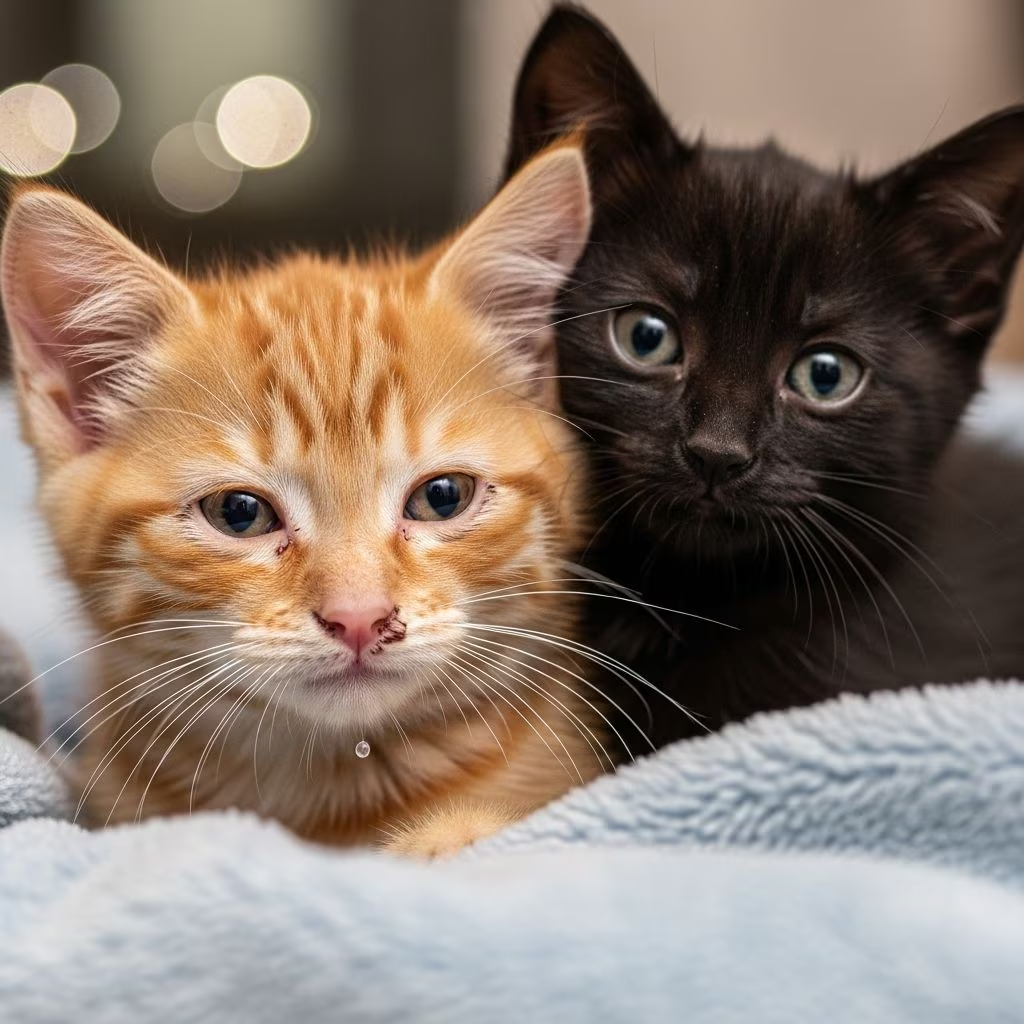
If you’ve noticed your kitten sneezing frequently or displaying watery, glassy eyes, you’re not alone in this concern. Many new cat owners encounter these symptoms, which can range from minor and self-resolving to signs of more serious health conditions. Understanding the underlying causes of sneezing and watery eyes in kittens is crucial for determining whether your pet needs veterinary attention and what treatment options might be necessary. This comprehensive guide will help you identify potential causes, recognize warning signs, and know when to contact your veterinarian.
Common Causes of Kitten Sneezing and Watery Eyes
Sneezing and watery eyes in kittens can stem from various sources, ranging from environmental irritants to infectious diseases. Understanding these causes can help you better care for your kitten and determine the appropriate course of action.
Feline Upper Respiratory Infections
One of the most common reasons kittens sneeze and develop watery eyes is a feline upper respiratory infection (URI), often referred to as a “cat cold.” These infections are particularly prevalent in young kittens, especially those in shelters, rescue facilities, or multi-cat households. Upper respiratory infections typically present with classic cold-like symptoms including sneezing, runny nose, watery eyes, and sometimes coughing. Many URIs are caused by viral pathogens such as feline herpesvirus, which specifically causes upper respiratory signs including sneezing and discharge from the nose and eyes. Most cat colds resolve within a week without veterinary intervention, though some may persist longer. However, if your kitten’s symptoms worsen or don’t improve within a few days, scheduling a veterinary appointment is advisable.
Bacterial and Chlamydial Infections
While viral infections are common, bacterial infections also frequently affect kitten eyes and respiratory systems. Chlamydia is an extremely common bacterial cause of chronic sneezing and weepy eyes in kittens and can usually be cured with a prolonged course of antibiotics. Unlike viral infections, bacterial infections typically produce visible discharge that helps distinguish them from viral causes. The hallmark of a bacterial eye infection is sticky, yellow, or green discharge emanating from the affected eye or eyes, which indicates that professional treatment is necessary.
Environmental Allergens and Irritants
Kittens can experience allergic reactions to various environmental substances, causing their eyes to become irritated and watery. Common allergens and irritants include:
- Pollen and mold
- Household cleaning products and chemicals
- Perfumes and fragrances
- Cigarette smoke
- Dust and dust mites
- Cat litter dust
- Pest sprays
- Candles and air fresheners
If you suspect environmental allergies are causing your kitten’s symptoms, attempts to minimize exposure to the suspected allergen may help resolve the issue. However, if you cannot identify the source or symptoms persist, veterinary consultation is necessary.
Conjunctivitis (Pinkeye)
Conjunctivitis, commonly known as pinkeye, represents the most common eye problem affecting cats of all ages. This condition involves inflammation of the conjunctiva, the membrane surrounding the eye, and can result from infections, allergies, or environmental irritants like dust. Pinkeye is highly contagious, meaning most cats will experience it at least once during their lifetime. The condition most commonly affects young animals, including kittens, making it particularly prevalent in rescue situations.
Foreign Bodies and Tear Duct Issues
Sometimes watery eyes result from physical causes rather than infections or allergies. Your kitten might have a foreign body stuck in the eye, such as dust, debris, or a small object. Additionally, a blocked nasolacrimal duct (tear duct) can cause tears to overflow and run out of the eye. While tear duct obstructions are less common in cats than in dogs, they still occur and require veterinary attention for proper diagnosis and treatment.
Recognizing Symptoms and Warning Signs
While sneezing and watery eyes are the primary symptoms you’ve noticed, several other clinical signs can help you determine the severity of your kitten’s condition and whether professional veterinary care is needed.
Eye Appearance and Discharge
Pay close attention to what your kitten’s eyes look like and what, if any, discharge is present:
- Clear or watery discharge: Usually indicates a viral infection and typically resolves on its own within one to two weeks
- Yellow or green discharge: Suggests a bacterial infection requiring antibiotic treatment
- Red and inflamed eyes: Often indicates conjunctivitis, which may be caused by infection, allergy, or dust
- Sticky or goopy discharge: A sign of infection requiring immediate veterinary attention
Behavioral Signs
Beyond the obvious symptoms, observe your kitten’s behavior for additional clues:
- Excessive blinking or squinting
- Pawing at or rubbing the eyes
- Light sensitivity or reluctance to open eyes in bright light
- Swollen or puffy eyes
- Nasal discharge in addition to watery eyes
Duration and Progression
The timeline of symptoms matters significantly. If your kitten’s sneezing and watery eyes developed suddenly and are worsening, this suggests an active infection or irritation. Conversely, chronic symptoms that come and go may indicate an underlying condition like chlamydia or feline asthma triggered by allergens.
When to Contact Your Veterinarian
While many cases of kitten sneezing and watery eyes resolve without intervention, certain situations warrant immediate veterinary attention. You should schedule an appointment with your veterinarian if:
- Symptoms persist beyond a few days without improvement
- Symptoms worsen over time
- Your kitten displays yellow or green eye discharge
- Eyes appear red, inflamed, or swollen
- Your kitten is blinking excessively, squinting, or pawing at their eyes
- Your kitten has difficulty opening their eyes or shows signs of pain
- Additional symptoms develop, such as coughing, lethargy, or loss of appetite
- Multiple kittens in a household are affected
Diagnosis and Treatment Options
When you bring your kitten to the veterinarian, the vet will conduct a thorough examination to determine the underlying cause of the symptoms. This may include:
Diagnostic Procedures
Your veterinarian may perform laboratory tests to identify bacterial or viral pathogens. These tests help distinguish between viral infections, which typically resolve on their own, and bacterial infections, which require antibiotic treatment. Understanding the specific cause ensures appropriate treatment and helps prevent unnecessary medication use.
Treatment Approaches
Treatment varies depending on the identified cause:
- Viral infections: Most viral URIs require supportive care, with symptoms typically resolving within one to two weeks. Your vet may recommend keeping your kitten comfortable and monitoring for complications.
- Bacterial infections: Bacterial eye infections typically respond well to ophthalmic antibiotic drops, gels, or ointments applied directly to the affected eye. Oral antibiotics are usually unnecessary unless the infection is systemic.
- Chlamydial infections: These respond to prolonged antibiotic courses, often requiring treatment for several weeks.
- Allergies and irritants: Identifying and minimizing exposure to the offending allergen is the primary treatment strategy. In some cases, your vet may recommend supportive care to make your kitten more comfortable.
- Foreign bodies: If a foreign object is lodged in the eye, your veterinarian will carefully remove it using appropriate instruments.
Home Care and Prevention
Beyond professional veterinary treatment, several measures can help support your kitten’s recovery and prevent future infections:
- Maintain a clean environment: Regular cleaning and disinfection reduce the spread of infectious agents, particularly in multi-cat households.
- Minimize irritant exposure: Use pet-safe cleaning products, avoid smoking around your kitten, and ensure adequate ventilation.
- Provide proper nutrition: A balanced diet supports your kitten’s immune system, helping them fight off infections more effectively.
- Ensure stress reduction: Stress can weaken immune function, so provide a calm, comfortable environment for your kitten.
- Practice good hygiene: Wash your hands before handling your kitten, particularly if you’ve been around other cats.
Understanding Carrier Cats
It’s important to recognize that some cats become carriers of contagious diseases even after recovering from active infection. Carrier cats may look perfectly healthy but can transmit pathogens to other cats. Signs that a cat might be a carrier include intermittent sneezing and nasal discharge, watery eyes, coughing, and occasional unexplained illness. If you have multiple kittens or plan to introduce your kitten to other cats, understanding carrier status is crucial for preventing disease transmission.
Frequently Asked Questions
Q: How long do kitten upper respiratory infections typically last?
A: Most viral feline upper respiratory infections resolve within one to two weeks with supportive care. However, some cases may persist longer or develop secondary bacterial infections requiring treatment.
Q: Can watery eyes in kittens clear up on their own?
A: Many cases of kitten watery eyes do resolve without veterinary intervention, particularly if caused by environmental irritation or mild viral infections. However, if symptoms persist beyond a few days or worsen, veterinary evaluation is necessary.
Q: Is conjunctivitis in kittens contagious to other cats?
A: Yes, conjunctivitis can be contagious, particularly if caused by a viral or bacterial infection. Keeping an affected kitten separate from other cats and practicing good hygiene can help prevent transmission.
Q: What should I do if my kitten has yellow discharge from their eyes?
A: Yellow or green discharge typically indicates a bacterial infection requiring antibiotic treatment. Schedule a veterinary appointment promptly to ensure proper diagnosis and treatment.
Q: Can allergies cause sneezing and watery eyes in kittens?
A: Yes, environmental allergies can cause sneezing and watery eyes in kittens. Common allergens include pollen, dust, mold, cleaning products, and perfumes. Identifying and reducing exposure to the allergen may help resolve symptoms.
Q: When should I be concerned about my kitten’s sneezing?
A: While occasional sneezing is normal, persistent sneezing accompanied by watery eyes, discharge, or behavioral changes warrants veterinary attention, especially if symptoms worsen or don’t improve within several days.
Q: Are there preventive measures to reduce sneezing and watery eyes in kittens?
A: Maintaining a clean environment, minimizing exposure to irritants and allergens, ensuring proper nutrition, reducing stress, and practicing good hygiene can help support your kitten’s immune system and reduce infection risk.
References
- Cat Eye Watering, Squinting, & Sneezing — Animal Friends Dermatology. 2023-05-30. https://www.animalfriendsdermatology.com/site/blog/2023/05/30/cat-eye-watering-squinting-sneezing
- Why Kittens Have Sneezing & Watery Eyes — Walkerville Vet. 2021-06-03. https://www.walkervillevet.com.au/blog/kitten-sneezing-watery-eyes/
- Cat Runny, Watery Eyes: Causes and Treatments — WebMD. https://www.webmd.com/pets/cats/causes-of-feline-watery-eyes
- Why Is My Kitten Sneezing & What Can I Do? Ask A Vet — Pawlicy Advisor. https://www.pawlicy.com/blog/sneezing-in-kittens/
- Feline Upper Respiratory Disease — Killarney Cat Hospital. https://www.killarneycat.com/resources/blog/january-2022/feline-upper-respiratory-disease
- Upper Respiratory Infections In Cats — Morris Animal Foundation. https://www.morrisanimalfoundation.org/article/sniffle-snort-and-sneeze-understanding-feline-upper-respiratory-infections
- Why Is My Cat Sneezing? — PetMD. https://www.petmd.com/cat/symptoms/cat-sneezing



