

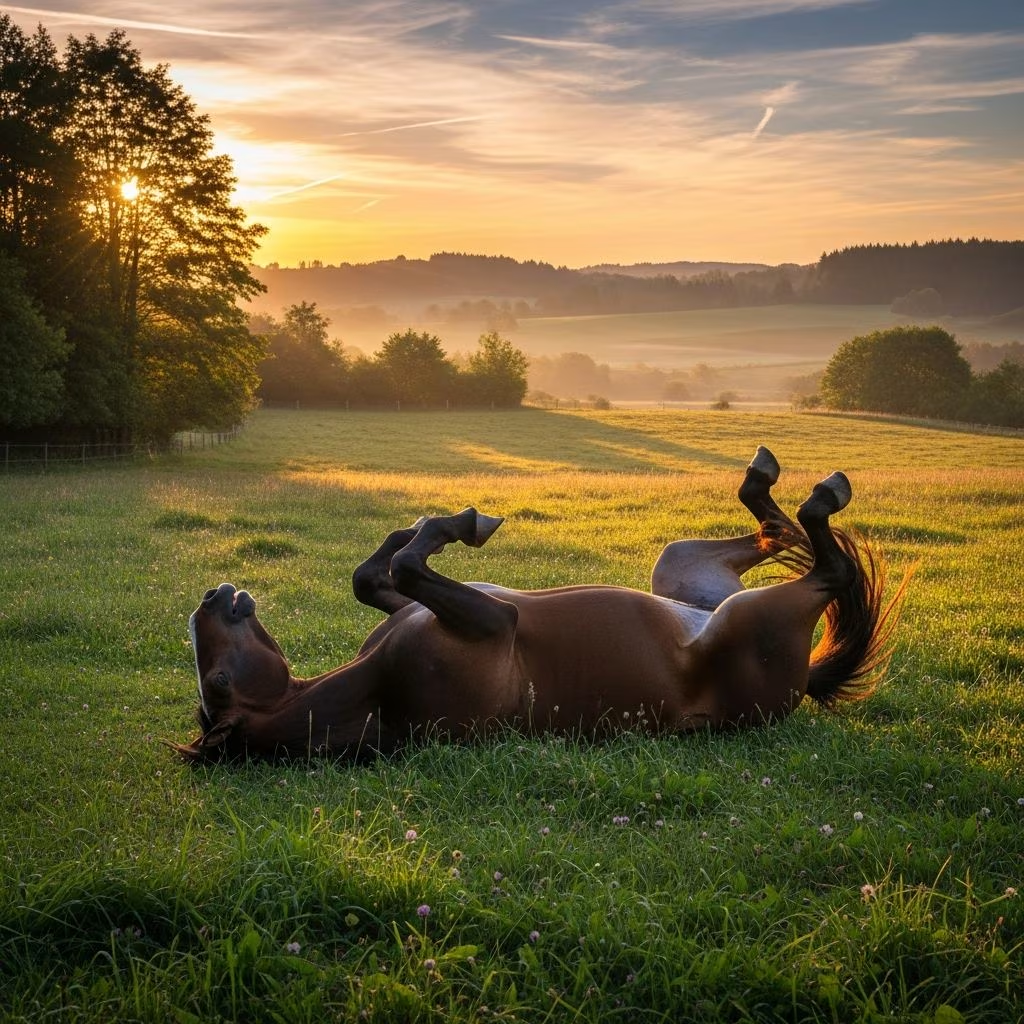
Why Do Horses Roll? Understanding This Common Equine Behavior
If you’ve spent time around horses, you’ve likely witnessed them dropping to the ground and rolling around in the dirt. While it might seem like a simple, playful activity, horse rolling is actually a complex behavior driven by multiple physical, emotional, and social reasons. Understanding why your horse rolls can help you better care for them and identify potential health concerns before they become serious problems. Rolling is a fundamental part of equine behavior that ranges from pure enjoyment to important self-maintenance, and sometimes even a signal that something requires veterinary attention.
1. To Cool Off and Dry Their Coat
One of the most common reasons horses roll is to regulate their body temperature, particularly after sweating or getting wet. When horses roll in dust or dirt after exercise, swimming, or bathing, they’re engaging in an intelligent cooling mechanism. According to equine experts, while the exact cooling mechanism isn’t completely understood, rolling helps horses dry off more efficiently. The friction between their body and the ground, combined with the evaporation of water next to the skin, creates a cooling effect that brings their body temperature down.
This behavior becomes especially noticeable during hot weather or after intense exercise. Horse owners often observe their freshly bathed horses immediately rolling in dirt, seemingly undoing all their hard work—but from the horse’s perspective, they’re simply managing their own thermoregulation. The dust and dirt particles create an insulating layer that, as it dries, helps dissipate heat from their body more effectively than a wet coat alone.
2. To Help Shed Their Coat
During springtime, when horses transition from their thick winter coats to lighter summer coats, rolling becomes more frequent and purposeful. As their winter coat loosens and begins to shed, the dead hair creates an uncomfortable itching sensation that drives horses to seek relief through rolling. The mechanical action of rolling against the ground provides direct friction that helps loosen and remove this dead hair more quickly than the shedding process would occur naturally.
The ground acts like a grooming tool, helping horses remove tangled, matted hair from hard-to-reach areas like their backs and hindquarters. This self-grooming behavior is entirely normal and actually beneficial for maintaining coat health. Owners who understand this seasonal behavior can support their horses by providing designated rolling areas and not restricting this important natural process.
3. Because It Feels Good and Promotes Relaxation
Beyond practical maintenance, horses roll simply because it feels wonderful. Rolling is one of the primary ways horses practice self-care and relaxation, similar to how humans might stretch or enjoy a massage. When a horse has a satisfying roll and shakes afterward, this activity activates their parasympathetic nervous system—the body’s relaxation response that shifts them from a “fight-or-flight” state to a “rest and digest” mode.
This physiological shift is crucial for equine wellbeing. Rolling allows horses to discharge bound-up energy and ground their bodies, much like humans benefit from exercise or meditation. Sometimes after rolling, you’ll observe horses jumping up with excess energy, running, bucking, and kicking to fully discharge the remaining nervous energy. This post-roll behavior is completely normal and indicates a horse transitioning from relaxation back to an active state.
The pleasurable nature of rolling is so evident that the behavior can appear almost contagious within a group. When one horse begins to roll, other horses nearby often follow suit, creating a cascading effect that strengthens social bonds and demonstrates herd relaxation and contentment.
4. Because They’re Sick or in Pain
While rolling is usually a positive behavior, it can sometimes indicate illness or pain that requires immediate attention. Recognizing the difference between normal, pleasurable rolling and pain-related rolling is essential for horse owners. Pain-related rolling appears distinctly different—it’s more frantic, urgent, and accompanied by visible signs of distress and thrashing.
One of the most common conditions associated with problematic rolling is colic, a gastrointestinal disorder that causes severe abdominal pain. However, it’s important to note that rolling itself doesn’t cause colic or twisted guts; rather, horses experiencing pain often roll as a mechanical attempt to find relief. Understanding your horse’s normal behavior is crucial for identifying when something is wrong. Every horse has unique quirks and rolling patterns, so observing your individual horse’s baseline behavior helps you quickly spot abnormalities.
If you notice your horse rolling more frequently, with signs of distress, reluctance to stand, or unusual body movements, contact your veterinarian promptly. The ability to distinguish between normal rolling and pain-related rolling can be lifesaving.
5. To Stretch and Realign Their Spine
Rolling serves an important biomechanical function for horses, similar to how yoga helps humans achieve proper spinal alignment and flexibility. When horses roll, they create space for their spine to realign naturally and safely. This action helps relax the superficial layers of fascia, release muscular restrictions, and improve circulation throughout their body.
Horses with musculoskeletal issues often struggle with rolling or cannot complete a full roll, particularly if they have stifle problems or other joint concerns. Similarly, pregnant mares frequently rub their bellies on the ground while rolling to activate the ventral fascia line—the connective tissue network that links both sides of their abdominal muscles. Horses experiencing digestive issues may also use rolling to help ease discomfort by repositioning internal structures.
From a bodywork and rehabilitation perspective, rolling is a natural, self-directed therapy that horses instinctively perform. Supporting this behavior by providing safe, clean rolling areas contributes to your horse’s long-term musculoskeletal health and flexibility.
6. To Communicate With Other Horses
Rolling plays an important role in equine herd dynamics and communication. When horses roll, they leave their scent on the ground—a chemical signature that communicates with other members of their herd. This scent-marking behavior is similar to how dogs use urine to mark territory and establish their presence in an area.
Within a herd structure, the most socially confident horses typically make their scent marks last, often rolling in preferred spots near important access points like gateways. By observing which horses roll in which locations and the sequence of rolling behavior, owners can gain insights into their horses’ social hierarchy and status within the group. Horses that roll in shared areas are communicating their territory and social standing to other horses.
Rolling also strengthens social bonds. When multiple horses roll in sequence or in the same area, they’re engaging in collaborative behavior that reinforces group cohesion and establishes shared territory. This social aspect of rolling is one reason why horses in herds often appear to roll in response to one another, though this is a form of communication rather than the rolling behavior being literally “contagious.”
7. To Protect Against Sun and Insects
Many horses, particularly those with lighter skin, will deliberately create mud by splashing water on the ground and then rolling in it. This behavior provides dual protection: the mud acts as a natural sunscreen, protecting sensitive skin from UV damage, and simultaneously functions as a natural insect repellent against biting flies and other insects. While scientific research on this protective mechanism is limited, horse owners consistently observe that this behavior is especially prevalent in horses during fly season and in horses with lighter coats that are more susceptible to sun damage.
The mud coating creates a barrier that both reflects harmful sun rays and makes it more difficult for insects to land on and bite the horse’s skin. This is an instinctive behavior that shows horses’ natural intelligence in self-protection and suggests that allowing access to muddy areas or creating wallows can be beneficial for equine welfare, particularly in sunny climates or during peak insect seasons.
Understanding Rolling During Different Seasons
Rolling behavior varies throughout the year based on environmental conditions and the horse’s needs. During warmer months, horses roll more frequently to cool themselves, shed their coats, and protect against insects. However, rolling during winter months doesn’t decrease; instead, the reasons shift. Horses may roll during winter because they’re too warm in their rugs, because they still need to groom themselves, or simply because they’re happy and content.
If you notice your horse rolling excessively or frantically during winter while wearing a turnout rug, this often indicates the horse has become too warm and is attempting to cool down or adjust their thermostat. This is valuable feedback that your rug may be too heavy or your horse’s needs have changed with temperature fluctuations.
Why Do Horses Paw the Ground Before Rolling?
Many horse owners notice their horses pawing at the ground before they roll. This preparatory behavior serves a practical purpose: horses are testing the ground surface to find an ideal rolling spot. They paw to check the level and softness of the ground as well as to loosen the dirt, creating a more comfortable surface for rolling. Think of it as the equine equivalent of straightening sheets before getting into bed—horses want the perfect rolling surface before committing to the action.
Frequently Asked Questions
Q: Does rolling cause twisted guts or colic?
A: No. This is a persistent myth that has no scientific basis. While horses with existing twisted guts may roll to find pain relief, rolling does not cause a twisted gut in a healthy horse. Horses naturally twist their bodies while rolling and stand up afterward without any ill effects. This rolling behavior has never resulted in a twisted gut in healthy horses.
Q: How can I tell if my horse is rolling because they’re happy versus rolling because they’re in pain?
A: Happy rolling is usually accompanied by relaxed body language, a gentle demeanor, and purposeful behavior. The horse will often shake off after rolling and resume normal activities like grazing. Pain-related rolling appears frantic, distressed, and urgent, with thrashing movements and visible signs of discomfort.
Q: Should I stop my horse from rolling?
A: Generally, no. Rolling is a natural, healthy behavior that contributes to your horse’s physical and mental wellbeing. Allowing your horse to roll freely (in safe conditions) supports coat health, spinal alignment, emotional regulation, and social communication. The only time to intervene is if rolling appears to be pain-related, in which case veterinary attention is needed.
Q: Why do horses roll right after you bathe them?
A: Horses roll after bathing to dry off and cool down, to relieve the itching from drying sweat, and because the sensation of rolling simply feels good. From their perspective, they’re undoing nothing—they’re engaging in essential self-care and temperature regulation.
Q: Can rolling be a sign that my horse’s rug is too hot?
A: Yes. Excessive or frantic rolling during winter can indicate that your horse is too warm in their rug and is attempting to cool down or adjust their body temperature. If you observe this behavior, consider whether your rug weight is appropriate for current conditions.
Supporting Your Horse’s Rolling Behavior
To support your horse’s natural rolling needs, provide clean, safe rolling areas with appropriate footing—whether that’s dirt, sand, or mud. Observe your horse’s individual rolling patterns and preferences to establish baseline behavior, making it easier to identify potential health concerns. Ensure your horse has access to rolling areas regularly, as this behavior is fundamental to their physical health, emotional wellbeing, and social functioning within their herd or pasture group.
References
- Why Do Horses Roll? — Chewy. 2024. https://www.chewy.com/education/horse/training-and-behavior/why-do-horses-roll
- Why Do Horses Roll? — Coastal Equine Services. https://www.coastalequineservices.com/post/why-do-horses-roll
- Why do horses roll? H&H explains… — Horse & Hound. https://www.horseandhound.co.uk/features/why-do-horses-roll-657819



