

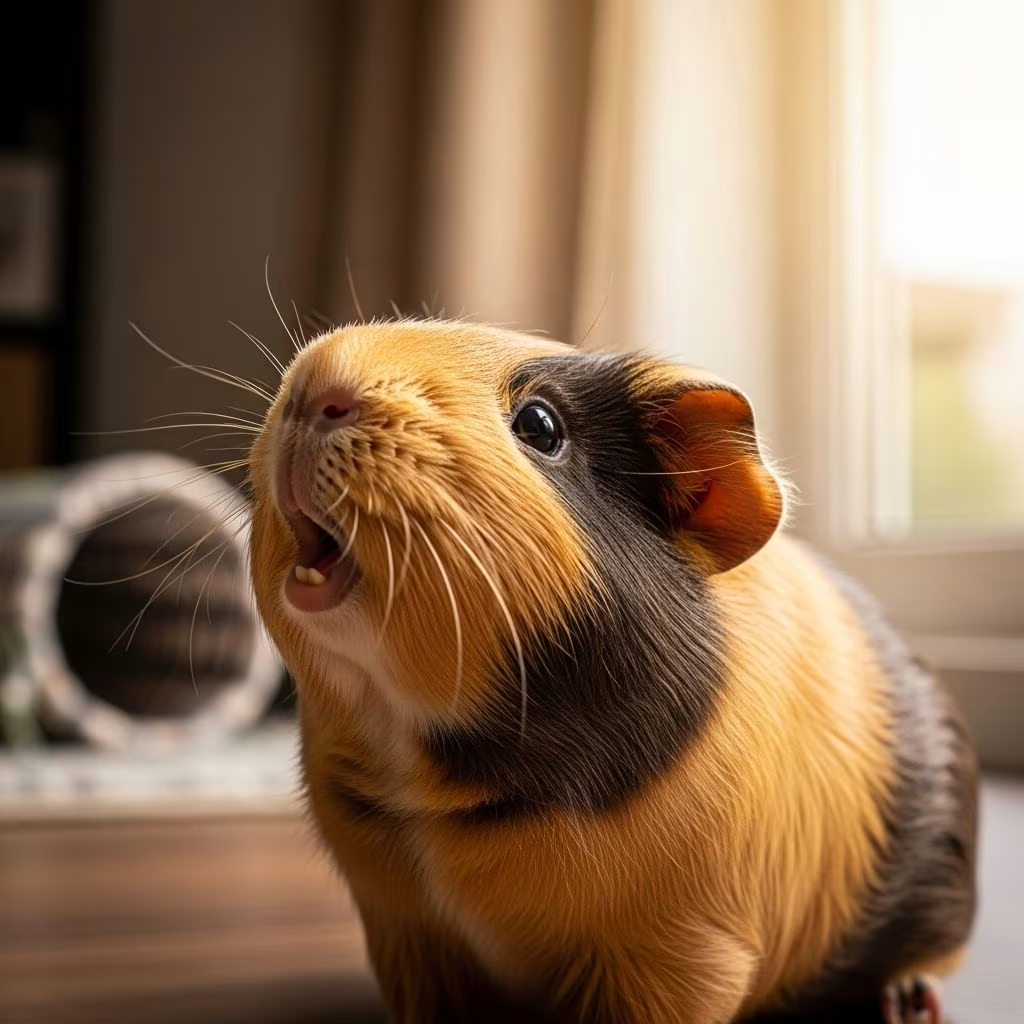
Why Do Guinea Pigs Squeak? Is This Normal?
Guinea pigs are incredibly social and vocal animals that communicate through a variety of sounds. If you’ve recently brought home a guinea pig, you’ve likely noticed their characteristic squeaking and wondered what all the fuss is about. The answer is simple: yes, it’s entirely normal for guinea pigs to squeak! These delightful small pets use vocalizations to express their emotions, needs, and even their health status. Understanding what your guinea pig is trying to communicate can help you provide better care and strengthen your bond with these adorable creatures.
Guinea pigs are natural communicators who use different types of squeaks and sounds to convey distinct messages. From expressing excitement about their favorite treats to signaling distress or discomfort, these vocalizations are a crucial part of their behavior. Learning to interpret these sounds is an essential skill for any guinea pig owner, as it allows you to respond appropriately to your pet’s needs and identify potential health concerns early.
Why Do Guinea Pigs Squeak?
Guinea pigs squeak for multiple reasons, and each type of vocalization carries a specific meaning. Understanding the various reasons behind their squeaks can help you become a more attentive and responsive pet owner. Let’s explore the main motivations behind these endearing sounds.
They’re Excited or Happy
One of the most common and delightful sounds guinea pigs make is the long, high-pitched squeak known as a “wheek,” “whistle,” or “wheet.” This vocalization typically indicates that your guinea pig is experiencing joy and anticipation. According to Dr. Bradley Bays, a veterinary expert on guinea pig behavior, wheeks are often a begging-like sound that denotes happiness or the expectation of receiving a favored treat, visiting a loved person, or spending time with a guinea pig companion. When you hear this sound, your guinea pig is essentially expressing unbridled excitement. Additionally, guinea pigs may produce purring or gurgling sounds to demonstrate their contentment and satisfaction.
They Want Food or Attention
Guinea pigs are natural grazers with surprisingly large appetites for their size, and they won’t hesitate to let you know when they’re hungry. They frequently make wheeks or multiple squeaks to communicate their desire for food, especially when they associate certain sounds with mealtime. Most guinea pig owners become very familiar with this sound, as it’s particularly common when guinea pigs hear the refrigerator door opening or detect the crinkling of a produce bag. Once one guinea pig starts squeaking, others in the same enclosure will often join in or start running around excitedly, creating a chorus of demands. This behavior demonstrates their understanding of cause and effect—they’ve learned that certain sounds signal food availability.
They’re Communicating With Each Other
Guinea pigs are highly social animals that maintain complex communication systems with their companions. A mother guinea pig, for instance, will make soft “coo” sounds to reassure her babies and comfort them if they become frightened. These low, quiet vocalizations serve as a form of maternal affection and reassurance. Adult guinea pigs also use cooing sounds to communicate with and reassure other adults in their group, creating a sense of security and bonding within the herd.
They’re Curious
When guinea pigs are exploring their environment or interested in something new, they often produce “chut” or “cluck” sounds that resemble the clucking of a mother hen. According to Dr. Bradley Bays, these vocalizations express contentment or curiosity when guinea pigs interact with their owners or other guinea pigs. You might hear these sounds when your guinea pig is investigating a new toy, exploring their play space, or observing something that captures their attention. These sounds indicate your guinea pig is engaged, alert, and enjoying their environment.
They’re Stressed or Scared
Not all guinea pig squeaks represent positive emotions. When guinea pigs feel threatened or anxious, they produce vocalizations that sound like whining or complaining to signal danger or fear. You may notice this sound during situations your guinea pig finds distressing, such as nail trimming sessions. Additionally, guinea pigs make a short “drr” sound when they become frightened by loud, unexpected noises, often followed by them racing to seek safety in their hideout. These warning sounds serve as a communication mechanism to alert other guinea pigs and their human caregivers that something is wrong.
They’re in Pain or Not Feeling Well
Certain vocalizations can indicate that your guinea pig is experiencing pain or illness. Sounds like chirping, whining, screaming, or squealing that differ from their normal communication patterns may signal health problems. For example, if your guinea pig is itchy from a mite or lice infestation, they may squeal when you touch their hair coat over their rump and neck. Furthermore, if your guinea pig is squeaking while going to the bathroom, this could be a sign of cystitis or other urinary issues. It’s crucial to observe your guinea pig’s body language alongside the context of their squeaks and consult a veterinarian if you notice anything unusual.
Different Types of Guinea Pig Squeaks and Sounds
Guinea pigs produce a remarkable variety of sounds, each with its own meaning. Familiarizing yourself with these different vocalizations will help you better understand your pet’s needs and emotional state.
Wheeking or Squealing
This long, high-pitched whistle or squeal is the most recognizable guinea pig sound and usually represents excitement. Your guinea pig is likely to make this noise when she sees you preparing food or if she knows it’s playtime.
Chutting
This sound resembles a frog’s croak, though softer. It generally means your guinea pig is happy and content going about her daily routine.
Complaining or Moaning
Guinea pigs make this noise when they want personal space or to tell other guinea pigs or people to back off. It sounds like a low-pitched version of a record being scratched.
Shrieking
This high-pitched noise indicates your guinea pig is really upset, frightened, or scared. Don’t ignore this sound—check for physical injuries and examine your guinea pig’s immediate surroundings for anything that might have frightened them.
Hissing
Your guinea pig will make this sound as a warning sign to tell other guinea pigs or humans to back off.
Cooing
This is a sign of affection, and guinea pigs will make this sound for humans they love and for their babies.
Sneezing
A high-pitched sound that resembles a miniature human sneeze, this is usually nothing to worry about. However, if your guinea pig shows signs of a cold—such as runny eyes and nose, heavy breathing, coughing, crackling sounds from their chest, or half-closed eyes—you should have them checked by a veterinarian. Sneezing can also be caused by allergies or reactions to bedding materials like aspen and pine.
Stomach Noises
As guinea pigs digest their food, they may produce gas that results in strange noises. Your guinea pig should be able to pass this easily. However, unusual tummy noises can also indicate illness, such as Gut Stasis, which is a serious condition that occurs when the gastrointestinal tract stops moving properly. Symptoms include a bloated tummy, loss of appetite, hunching over, constipation, and poor fur condition. Gut Stasis can result from insufficient fiber in your guinea pig’s diet and requires immediate veterinary attention.
Should I Do Anything About My Guinea Pig’s Squeaks?
In most cases, guinea pig squeaking is a normal and healthy form of communication that requires no intervention. However, there are certain situations where you should pay closer attention and potentially take action.
When Squeaking Is Normal
Most guinea pig vocalizations are simply part of their natural behavior and communication style. Happy squeaks, contentment sounds, and excited wheeks are all normal aspects of guinea pig life. You don’t need to do anything about these sounds—in fact, they’re often endearing and help you bond with your pet by understanding their emotions and needs.
When to Consult a Veterinarian
Because guinea pigs are prey animals, they tend to hide signs of illness until they become very sick, making it crucial to seek veterinary care as soon as you observe anything out of the ordinary. Warning signs that warrant a vet visit include:
- Chirping sounds that are unusual for your guinea pig
- Persistent clicking or crackling sounds
- Wheezing or labored breathing
- Sudden changes in vocalization patterns
- Changes in behavior or activity level
- Reduced activity or lethargy
- Changes in stool or urine
- Decreased appetite or unexplained weight loss
If you notice any combination of these symptoms alongside unusual vocalizations, contact your veterinarian promptly. Early intervention can prevent minor issues from becoming serious health problems.
Understanding Your Guinea Pig’s Personality
It’s important to recognize that guinea pigs have individual personalities that influence their vocalization patterns. Some guinea pigs are naturally more vocal than others, while some are quieter and more reserved. Additionally, some guinea pigs love to cuddle and may squeak out of contentment, while others may squeak to communicate that they find cuddling stressful and would prefer to receive affection in a way they’re more comfortable with, such as inside their enclosure or in a playpen. By observing your guinea pig’s unique personality and preferences, you can respond appropriately to their needs and provide them with the type of interaction they enjoy most.
Frequently Asked Questions About Guinea Pig Squeaking
Q: Is it normal for guinea pigs to squeak?
A: Yes! It’s entirely normal for guinea pigs to squeak. They’re incredibly social and vocal animals who squeak for various reasons, from letting you know they want to be fed to showing their excitement for their favorite people, toys, or treats.
Q: What does it mean when my guinea pig wheeks?
A: A wheek is a long, high-pitched squeak that typically indicates happiness, excitement, or anticipation. Guinea pigs often wheek when they expect food, see their favorite person, or anticipate playtime.
Q: Why does my guinea pig squeak when I cuddle them?
A: It depends on your guinea pig’s personality. Some guinea pigs love to cuddle and may squeak out of contentment, while others may squeak to communicate that they find it stressful and would prefer to receive affection in a way they’re more comfortable with, like inside their enclosure or in a playpen.
Q: When should I be concerned about my guinea pig’s squeaking?
A: You should be concerned if you notice changes in vocalization patterns, unusual sounds like persistent wheezing or crackling, or if squeaking is accompanied by changes in behavior, appetite, or activity level. Consult a veterinarian if you observe any of these warning signs.
Q: Do all guinea pigs squeak?
A: While guinea pigs are naturally vocal animals, individual guinea pigs have different personality types and vocalization levels. Some are more vocal than others, but most guinea pigs will squeak at least occasionally to communicate their needs and emotions.
Q: Can squeaking indicate pain or illness?
A: Yes. Certain vocalizations like screaming, excessive whining, or squealing accompanied by other symptoms can indicate pain or illness. If your guinea pig is squeaking while using the bathroom, experiencing itching, or showing other signs of distress, consult a veterinarian promptly.
References
- Why Do Guinea Pigs Squeak? Is This Normal? — Chewy. 2025. https://www.chewy.com/education/small-pet/guinea-pig/why-do-guinea-pigs-squeak
- Guinea Pig Noises and Their Meanings — ExoticDirect. 2025. https://exoticdirect.co.uk/news/guinea-pig-noises-and-their-meanings/



