

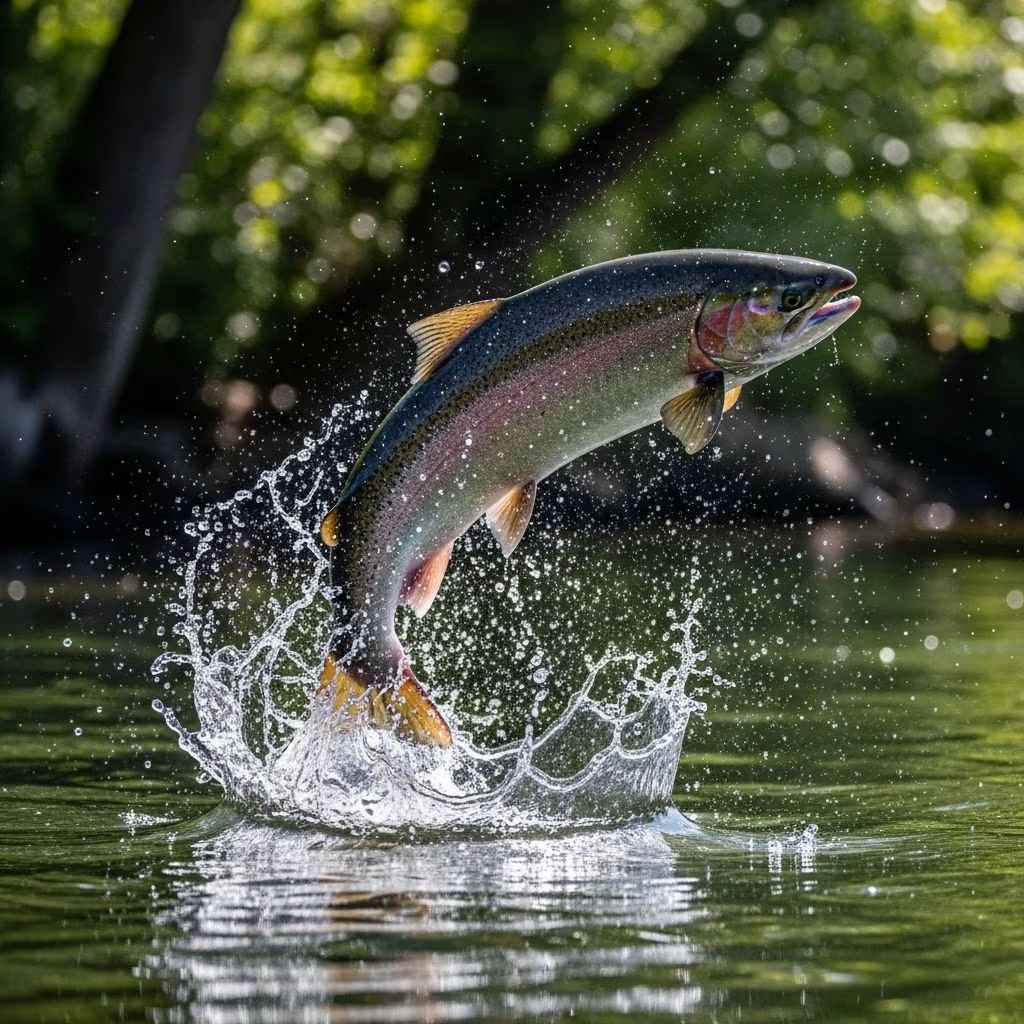
Why Do Fish Jump Out of Water?
Fish jumping out of water is a behavior that captures the attention of aquarium enthusiasts and pond owners alike. While it may seem like a simple, playful action, fish jumping often signals important information about their environment, health, or natural instincts. Understanding the reasons behind this behavior is crucial for maintaining a healthy aquatic ecosystem and ensuring the wellbeing of your fish. Whether your fish are escaping danger, responding to poor water conditions, or simply exhibiting natural behavior, recognizing the cause of jumping is the first step toward providing appropriate care.
Common Reasons Fish Jump Out of Water
Escaping from Predators
One of the most fundamental reasons fish jump out of water is to escape predators. When threatened by larger fish, birds, or other predatory creatures, smaller fish will launch themselves out of the water as a defense mechanism. This behavior is particularly common in wild populations and pond environments where predators are present. The jumping action serves multiple purposes: it confuses the predator by breaking the continuity of the attack, allows the fish to gain a few crucial seconds of escape time while the predator is disoriented, and enables the fish to travel to safer locations. Studies show that predator avoidance jumping typically involves multiple fish jumping simultaneously while maintaining an upright posture and entering the water cleanly.
Poor Water Quality
Fish are highly sensitive to their aquatic environment, and jumping often indicates water quality problems. Several specific conditions can trigger this behavior:
High Ammonia Levels
Ammonia accumulates in aquariums and ponds as fish excrete waste. When ammonia levels become dangerously elevated, they can cause chemical burns to fish gills, resulting in pain and discomfort. Fish experiencing this pain will often jump out of the water or swim into pond walls in an attempt to alleviate their suffering. Regular water testing is essential to prevent ammonia buildup.
High Nitrate Levels
Nitrates are byproducts of bacterial breakdown of ammonia. If ammonia levels remain high for extended periods, they convert to nitrates, which can cause irreversible damage to fish organs including the liver, spleen, nervous system, and kidneys. This damage manifests in jumping behavior as the fish attempts to escape the discomfort caused by toxic water conditions.
Parasites and Disease
Fish cannot scratch themselves like terrestrial animals can. When parasites infest their skin or gills, fish develop an itching sensation they must relieve. They employ a behavior called “flashing,” where they rub themselves against tank decorations or the substrate. However, they also jump and belly-flop back into the water, using the surface tension to help dislodge parasites and parasitic organisms from their bodies. Multiple jumps in a short period often indicate a parasitic infestation requiring treatment.
Feeding Behavior
Many fish species naturally jump to catch food. Bass jump to catch small fish, flying insects, birds, and frogs at or near the water surface. Trout are renowned jumpers, particularly during mayfly season when they leap to catch low-flying insects. Pike and musky aggressively strike surface prey, sometimes propelling themselves completely out of the water during feeding. This feeding-related jumping is natural behavior and typically not a cause for concern.
Spawning and Reproduction
During spawning season, some fish species jump as part of their reproductive cycle. Salmon and steelhead are famous for their dramatic leaps as they migrate upstream. These fish jump to clear obstacles such as waterfalls and dams, and some theories suggest jumping helps loosen eggs in their reproductive skeins before spawning occurs. This type of jumping is biologically programmed and essential for species survival.
Swim Bladder Adjustment
Trout and some other species jump to regulate their swim bladders. When a swim bladder becomes overly inflated, the fish becomes too buoyant and floats uncontrollably. By jumping and belly-flopping back into the water, the fish deflates the swim bladder, reducing buoyancy and allowing them to control their depth more effectively. This is a self-regulation mechanism that helps maintain proper swimming posture.
Aerial Respiration
Some fish species, particularly mullet, jump to breathe air when water oxygen levels are critically low. The trapped air allows the fish to remain active in oxygen-depleted water for approximately five minutes. Research demonstrates a clear correlation between jumping frequency and water oxygen concentration—the lower the oxygen, the more frequently fish jump. This behavior occurs more commonly during daylight hours when mullet are actively feeding in low-oxygen bottom sediments.
Stress and Behavioral Responses
Fish jump when stressed by various environmental factors. Boat vibrations, sudden movements near the tank or pond, and the sensation of being hooked all trigger jumping responses. When hooked by anglers, fish jump partly because they feel line pressure pulling them toward the surface. Additionally, jumping helps fish work hooks out of their mouths by creating slack in the fishing line, making escape more likely.
Natural Species Behavior
Some fish species simply jump because it is their nature to do so. Certain saltwater fish species, particularly blenny fish that inhabit rocky areas near the water surface, jump frequently as a normal part of their behavioral repertoire. These fish may attempt to jump even during routine tank maintenance. Understanding that some jumping is species-specific helps fish owners develop realistic expectations for their aquatic pets.
How to Identify the Cause of Jumping
Observe Jumping Patterns
The frequency, timing, and context of jumping provide important diagnostic clues. Jumping that occurs during feeding times likely indicates natural feeding behavior. Jumping concentrated in the early morning or evening might suggest predator activity. Constant, frantic jumping throughout the day often signals water quality problems or parasitic infections.
Test Water Parameters
The first diagnostic step should always be testing water chemistry. Using an aquarium or pond test kit, check pH, KH (carbonate hardness), GH (general hardness), ammonia levels, and nitrate concentrations. Improper levels of any of these parameters can cause jumping. Ammonia should always be 0 ppm, and nitrates should remain below 20-40 ppm depending on the species.
Visual Inspection
After confirming water parameters are appropriate, isolate the jumping fish and inspect it carefully for visible signs of disease, damage, or parasites. Look for white spots (ich), fuzzy growth (fungus), torn fins, missing scales, or unusual lesions. Parasitic infections often appear as small spots or a dusty coating on the fish’s body.
Environmental Assessment
Evaluate the physical environment for stressors. Check for signs of aggression from tank mates, ensure adequate hiding places exist, verify that tank size meets species requirements, and confirm that filtration and aeration are functioning properly.
Preventing Fish from Jumping Out of Tanks and Ponds
Maintain Optimal Water Quality
Perform regular water changes, typically 25-50% weekly depending on tank stocking density. Maintain proper filtration and aeration. Monitor water parameters consistently and address any deviations immediately.
Provide Adequate Space
Overcrowding increases stress and territorial aggression. Research appropriate tank or pond sizes for your specific fish species and stock accordingly. Ensure sufficient space for each fish to establish its own territory.
Install Tank Covers
For aquarium owners, secure tank covers prevent fish from jumping out during stress responses or natural jumping behaviors. Ensure covers include adequate ventilation to maintain proper oxygen levels and allow for feeding access.
Minimize Stressors
Keep tank and pond areas quiet and free from sudden vibrations or loud noises. Maintain consistent lighting schedules. Avoid rapid temperature fluctuations. Provide adequate hiding places and vegetation where fish can feel secure.
Control Predators
In pond environments, install netting or other barriers to exclude birds and other predators. In aquariums, carefully select compatible tank mates and monitor for aggressive behavior.
Treat Parasites Promptly
Use appropriate medications at the first sign of parasitic infection. Follow treatment protocols carefully and quarantine affected fish if necessary to prevent spread to other tank inhabitants.
Species-Specific Jumping Behaviors
| Fish Species | Primary Jumping Reason | Frequency | Concern Level |
|---|---|---|---|
| Bass | Feeding, predator escape, hook removal | Moderate to High | Low if environment is healthy |
| Trout | Insect feeding, swim bladder adjustment, predator avoidance | High during insect hatches | Low if natural behavior |
| Salmon/Steelhead | Spawning migration, obstacle clearance | Very High during spawning season | Normal during migration |
| Pike/Musky | Aggressive feeding strikes | Moderate | Low if feeding-related |
| Mullet | Predator avoidance, aerial respiration | Variable with oxygen levels | High if frequent (indicates low oxygen) |
| Blenny | Natural behavior, exploration | Frequent | Low, species-normal behavior |
When to Seek Professional Help
Contact an aquatic veterinarian or experienced fish care professional if jumping behavior persists despite environmental corrections, if water parameters test abnormal, if fish display physical signs of disease or injury, or if jumping is accompanied by other concerning symptoms such as loss of appetite, lethargy, or color changes. Early intervention can prevent serious illness and mortality.
Frequently Asked Questions
Q: Is it normal for fish to jump out of water?
A: While occasional jumping can be normal behavior for some species, frequent or frantic jumping typically indicates an underlying problem such as poor water quality, parasites, or stress. Investigate the cause if you notice sudden increases in jumping behavior.
Q: Can fish survive out of water after jumping?
A: Most freshwater fish cannot survive more than a few minutes out of water. Saltwater fish species called mudskippers are exceptions, possessing specialized adaptations for brief terrestrial excursions. Always use tank covers to prevent accidental jumping and loss of fish.
Q: How often should I test my aquarium water?
A: For established aquariums, test water parameters at least weekly. Test more frequently during cycling periods, after water changes, or when fish display concerning behaviors. Maintaining consistent water quality prevents many health-related issues including jumping.
Q: Will jumping fish hurt themselves?
A: Yes, jumping fish risk injury from landing on hard surfaces, becoming stuck in gaps, or dehydrating if they escape the tank. Ensure your aquarium or pond is secure and that any escaped fish are returned to water quickly.
Q: What is the most common reason for aquarium fish jumping?
A: Poor water quality, particularly high ammonia or nitrate levels, is the most common cause of jumping in captive aquarium fish. Water quality management is the primary preventive measure for reducing unwanted jumping behavior.
Q: Can different fish species jump for different reasons?
A: Absolutely. Species jumping reasons vary significantly. Trout jump to catch insects and adjust swim bladders, salmon jump during spawning migrations, and mullet jump for aerial respiration. Understanding your specific species’ natural behaviors helps distinguish normal from problematic jumping.
References
- Fish Jumping Out Of Water and Why It Happens — Envii. 2024. https://envii.co.uk/blogs/news/fish-jumping-out-of-water-and-why-it-happens
- Why Do Fish Jump Out Of The Water? — Mystery Tackle Box. 2024. https://mysterytacklebox.com/blogs/fish-tales/why-do-fish-jump-out-of-the-water
- Why do mullet leap? — The Australian Museum. 2024. https://australian.museum/learn/animals/fishes/why-do-mullet-leap/
- Why Fish Jump — LandBigFish.com. 2024. https://www.landbigfish.com/articles/default.cfm?ID=566
- Why do fish jump? — Fish Owners Make. Dr. Jessie Sanders, Aquatic Veterinary Services. 2020-12-08. https://www.youtube.com/watch?v=0KhSG-y8FQA



