

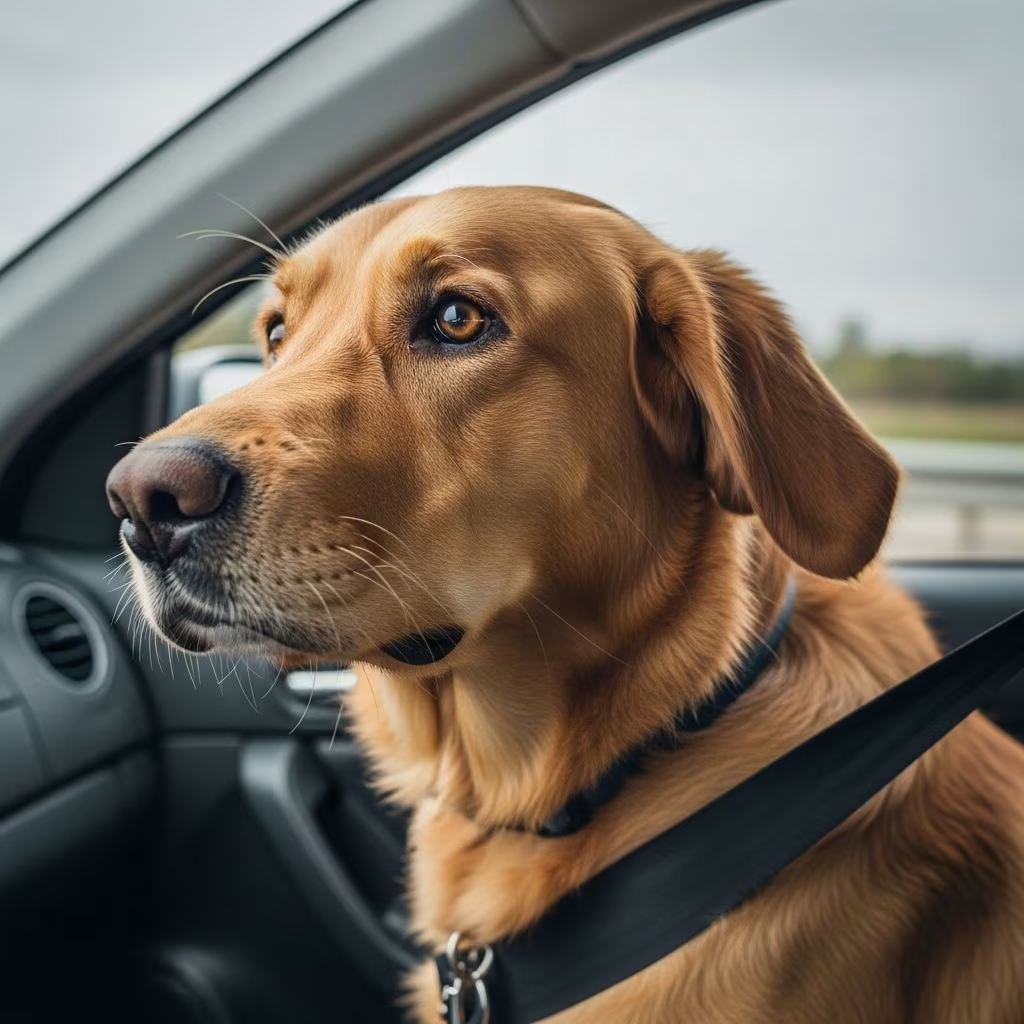
Dogs whining or crying during car rides is a common frustration for pet owners, turning what should be a simple outing into a stressful ordeal. Whether it’s high-pitched whimpers, persistent cries, or anxious panting, this vocalization signals discomfort, fear, or unmet needs. Understanding the root causes—ranging from motion sickness and anxiety to excitement or confinement—allows you to address the issue effectively. This comprehensive guide explores every reason dogs vocalize in vehicles, backed by veterinary insights, and provides step-by-step solutions to transform car trips into positive experiences.
Understanding Dog Whining and Crying in General
Before diving into car-specific behaviors, it’s essential to grasp why dogs whine overall. Unlike humans, dogs don’t cry emotional tears; their eyes water for physiological reasons like allergies, blocked tear ducts, or infections such as conjunctivitis or glaucoma. Whining, however, is a vocal communication tool inherited from puppyhood, used to signal needs to their mother. Adult dogs retain this for expressing emotions, discomfort, or desires.
Common triggers include:
- Excitement or high arousal: Dogs may whimper when overly thrilled, like greeting loved ones or anticipating play.
- Anxiety, fear, or stress: Separation anxiety, loud noises, or new environments prompt whining, often with body language like pacing or trembling.
- Pain or discomfort: Injuries, arthritis, or illnesses cause vocalization, especially during movement.
- Boredom or attention-seeking: Understimulated dogs whine for interaction, escalating to destructive behaviors if ignored.
- Basic needs: Hunger, thirst, potty urges, or wanting a toy/food.
Recognizing context and accompanying signs (e.g., tail position, ear set) helps decode the message. In cars, these amplify due to the unique enclosed, moving environment.
Top Reasons Dogs Whine and Cry Specifically in the Car
Car rides introduce variables like motion, confinement, and velocity changes, exacerbating general whining triggers. Here’s a breakdown of the most frequent causes:
1. Car Anxiety or Fear
The leading culprit, car anxiety stems from negative past experiences (e.g., vet visits associating cars with pain) or unfamiliarity. Dogs feel trapped in a speeding metal box, triggering stress responses like whining, drooling, or panting. Breeds prone to anxiety, like rescues or sensitive types (e.g., Greyhounds), are especially affected. Signs include dilated pupils, crouched posture, and avoidance of the vehicle.
2. Motion Sickness
Puppies and some adults suffer vestibular disturbances from car motion, causing nausea, vomiting, and whining. Symptoms mimic human car sickness: lip-licking, salivating, yawning, or vomiting. Flat-faced breeds (Brachycephalics like Bulldogs) are more susceptible due to airway issues. This often improves with age or conditioning.
3. Excitement or Overstimulation
Paradoxically, happy dogs whine from sheer joy—anticipating walks, parks, or adventures. This “high arousal” whining mixes with barking or wiggling, common in energetic breeds like Labs.
4. Need for Potty, Hunger, or Thirst
Long trips without breaks lead to urgent needs. A dog whining near trip start might need to eliminate; empty bowls prompt food/thirst cries.
5. Confinement Discomfort
Crates or harnesses feel restrictive if ill-fitted. Slippery seats or lack of grip cause insecurity, prompting cries for freedom.
6. Boredom on Long Drives
Highway monotony bores active dogs, leading to whining paired with pacing or chewing.
7. Pain or Medical Issues
Underlying conditions like ear infections, joint pain, or injuries worsen in cars due to bumps/vibrations. Sudden onset whining warrants a vet check.
| Reason | Key Signs | Breeds Prone |
|---|---|---|
| Car Anxiety | Panting, trembling, avoidance | Rescues, hounds |
| Motion Sickness | Drooling, vomiting, yawning | Puppies, brachycephalics |
| Excitement | Wiggling, barking mix | Retrievers, terriers |
| Potty Need | Sniffing, circling | All |
| Pain | Limping, flinching | Seniors, injured |
How to Stop Your Dog from Whining and Crying in the Car
Addressing car whining requires identifying the cause first—rule out medical issues with a vet visit. Then, implement targeted strategies:
Desensitization and Counter-Conditioning Training
Gradually build positive associations:
- Start with the parked car: Lure with treats/toys, feed meals inside.
- Progress to engine on, short sits.
- Short drives (5 mins), rewarding calm with praise/treats.
- Extend duration, varying destinations.
Use high-value rewards; consistency is key. Sessions: 10-15 mins daily.
Safety and Comfort Setup
- Secure restraint: Crash-tested harness or crate; never loose.
- Comfort items: Familiar blanket, toy; window cracked for air/scent.
- Positioning: Back seat for stability; avoid trunk if bumpy.
Managing Motion Sickness
Consult vet for anti-nausea meds (e.g., Cerenia). Feed light meal 2-3 hours pre-trip; ginger treats help naturally. Acclimate via short rides; avoid eye-level views.
Calming Aids and Products
- Adaptil spray/collar: Pheromones mimic mom’s scent.
- ThunderShirts: Pressure wraps reduce anxiety.
- Calming chews: L-theanine, CBD (vet-approved).
- White noise/music: Soothing playlists mask road sounds.
Avoid punishment—it worsens fear.
Exercise and Routine Prep
Tire them out pre-trip: 30-60 min walk/play. Scheduled potty/food breaks every 2 hours.
Long-Term Prevention
Regular non-vet car trips (parks, friends) normalize vehicles. Puzzle toys keep bored minds occupied.
Frequently Asked Questions (FAQs)
Why does my dog only whine in the car?
Unique stressors like motion, confinement, and past negative links (e.g., vet trips) trigger it. Desensitization resolves most cases.
Is dog whining in the car a sign of pain?
Possibly—check for limping, sensitivity, or new onset. Vet exam rules out issues like arthritis.
How long does car training take?
1-4 weeks with daily short sessions; puppies adapt faster.
Can medication stop car whining?
For severe anxiety, vets prescribe trazodone or fluoxetine alongside behavior mods. Not first-line.
What if my puppy cries in the crate during drives?
Practice crate games at home; cover for security; pair with chews. Gradually increase time.
When to See a Vet or Trainer
If whining persists post-training, includes vomiting/blood, or pairs with aggression/depression, seek professional help. Vets diagnose medical causes; certified trainers (CPDT) handle behavior. Early intervention prevents chronic issues.
With patience, most dogs learn to love car rides. Track progress in a journal for patterns.
References
- Can Dogs Cry Tears? Understanding Dog Emotions & Whining — Purina. 2023. https://www.purina.com/articles/dog/behavior/understanding-dogs/can-dogs-cry
- Why Is My Dog Whining? — Zoetis Petcare. 2024-01-15. https://www.zoetispetcare.com/blog/article/why-dog-whining
- Understanding Dog Whining: Causes and How to Stop It — Brown Vet Hospital. 2023-05-20. https://brownvethospital.com/blog/dog-whining/
- Why Is My Dog Whining So Much? — Bowman Veterinary Hospital. 2024. https://www.bowmanvet.com/blog/why-is-my-dog-whining-so-much/
- Why Do Dogs Whine? 5 Reasons and Ways to Help — Nylabone. 2023-11-10. https://www.nylabone.com/dog101/why-do-dogs-whine
- How To Stop Your Dog From Whining | Chewtorials — YouTube (Chewy). 2022-07-12. https://www.youtube.com/watch?v=w5u05A5OKg0



