

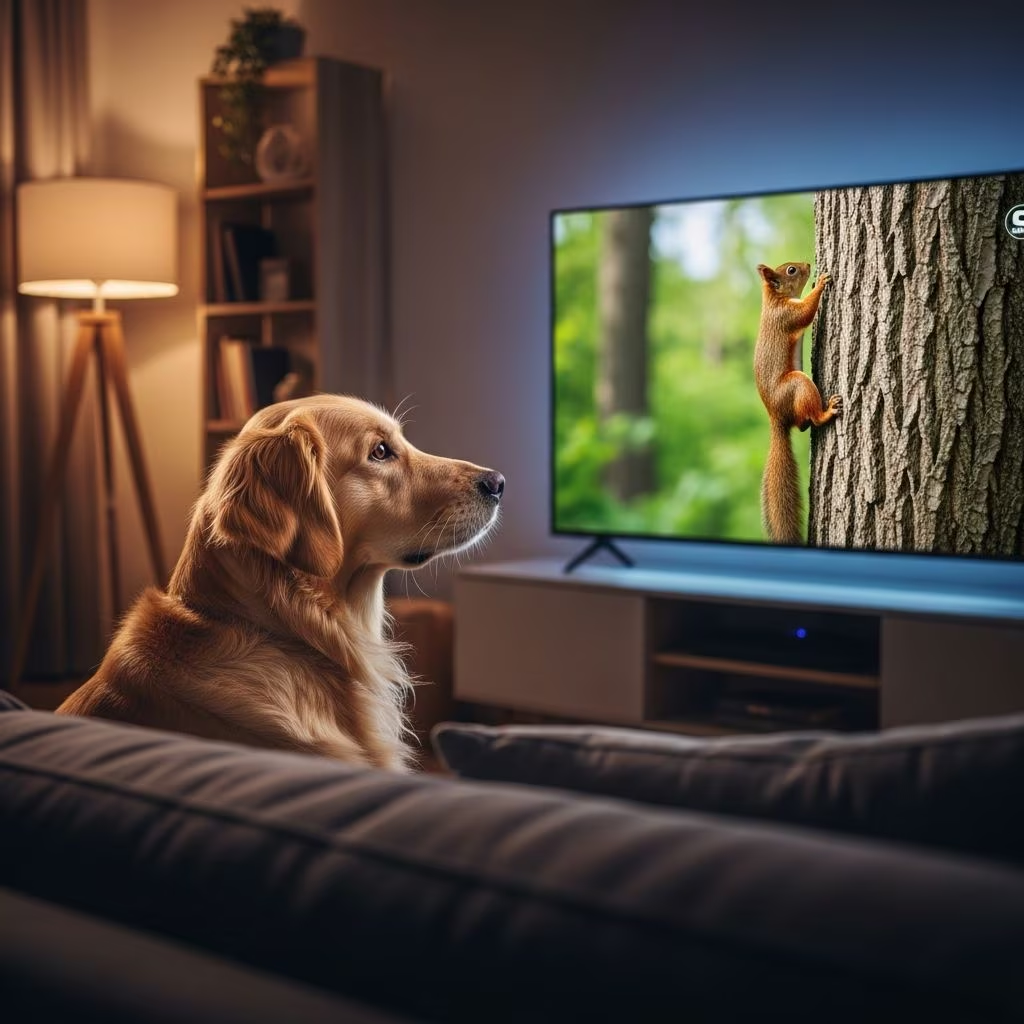
Dogs can and do watch TV, experiencing it through their unique dichromatic vision that emphasizes shades of yellow and blue, making vibrant nature documentaries more appealing than muted dramas. Audio cues like squeaking toys or barking dogs significantly draw their attention, turning the screen into an engaging sensory puzzle rather than a realistic world replica.
What do dogs like to watch on TV?
Dogs are particularly drawn to programs featuring other animals, especially those that bark, move dynamically, or produce interesting noises, such as nature documentaries or pet-specific streaming channels. Fast-moving sports content, with balls and people in motion, often mimics fetch games, captivating active pups. A study surveying dog owners found over three-quarters of dogs exhibit behaviors like head tilting, ear pricking, vocalizing, or approaching the screen, with particular enchantment for videos of other dogs. Movement on screen captivates more than sound alone, as many dogs remain interested even with audio off.
Individual preferences vary; dogs living closely with owners may mirror human emotions, tuning into laughter, gasps, or shouts during shows, heightening their curiosity. Scientific research confirms dogs respond far more to on-screen animals—nearly half consistently react to canine barks or howls—compared to non-animal visuals.
Why do some dogs watch TV and others don’t?
Not all dogs are TV fans; interest hinges on personality, breed, age, and life experiences. Intelligent, sensory-attuned breeds like Border Collies and German Shepherds show higher engagement due to their natural curiosity. Younger dogs, herding and sporting breeds, and those with strong vision are more screen-inclined.
A comprehensive study of 453 dogs revealed personality as a key factor: excitable dogs track moving objects as if real, often following them off-screen, while fearful or anxious ones react more to non-animal sounds like doorbells or car horns. Overall, dogs perceive TV as a meaningful, object-filled 2D world, with reactions varying by temperament. Older dogs or those with poorer vision may ignore screens entirely.
Is it normal for dogs to watch TV?
Yes, watching TV is a normal, adorable canine behavior reflecting curiosity and environmental attunement, whether through barking, whining, quiet observation, or indifference. About 45% of dogs always respond to dog noises on TV, with common reactions including screen approaches or nose touches by over a quarter of surveyed dogs. Non-watchers are equally normal, simply prioritizing other interests.
What does it say about your dog if they like watching TV?
A TV-watching dog demonstrates curiosity, attentiveness, and sensory engagement, treating the screen like an intriguing puzzle of shapes and sounds. It may signal strong problem-solving instincts, akin to toy hide-and-seek, or a need for mental stimulation—consider adding interactive toys or training if they fixate.
Personality insights emerge: excitable pups chase on-screen action, while anxious ones alert to household-like noises, informing welfare strategies like tailored enrichment. Surveys show 69% of pet parents enjoy TV time with dogs as their top shared activity, fostering bonds. Reactions highlight instinctual sensitivity rather than literal belief in screen content.
| Dog Personality Trait | TV Reaction Tendency | Example Stimuli |
|---|---|---|
| Excitable | Tracks objects off-screen | Moving animals, balls in sports |
| Fearful/Anxious | Reacts to non-animal sounds | Doorbells, car horns |
| Curious/Intelligent Breeds | High overall engagement | Dogs barking, fast motion |
This table summarizes key findings from a Scientific Reports study on 453 dogs’ viewing habits.
Frequently Asked Questions (FAQs)
Which dog breeds watch TV?
Intelligent, energetic breeds like Border Collies, Poodles, Terriers, and herding/sporting groups show keen interest, especially in fast visuals; younger dogs with good vision engage most.
Is my dog intelligent if they watch TV?
TV watching reflects curiosity and environmental response, not superior intelligence—it’s one exploration method among many.
Do dogs prefer certain colors on TV?
Yes, dichromatic vision makes blue and yellow hues pop, favoring nature docs over muted shows.
Should I let my dog watch TV?
In moderation, yes—for enrichment, but balance with real-world play; studies support it as a welfare tool when personality-matched.
How long do dogs typically watch TV?
Averaging 14 minutes per session, varying by content and temperament.
Embrace your dog’s TV habits as a window into their world. Whether barking at wildlife or cuddling through marathons, it strengthens your bond while revealing their perceptive, personality-driven nature.
References
- Why Do Dogs Watch TV? Discover What Captures Their Attention — Kinship. 2023. https://www.kinship.com/dog-behavior/why-do-dogs-watch-tv
- Dogs Love to Watch TV, New Study Says—But Should You Let Them? — Kinship. 2023. https://www.kinship.com/dog-behavior/dogs-love-tv-study
- Does Your Dog Watch TV? Here’s What Screens Can Say About Their Personality — Discover Magazine. 2024-10-01. https://www.discovermagazine.com/does-your-dog-watch-tv-heres-what-screens-can-say-about-their-personality-47822
- Dogs Have Different TV Preferences Depending on Their Personalities — Kinship. 2024. https://www.kinship.com/news/dog-tv-preferences-personalities
- Animal behavior: Dog TV viewing habits vary by personality — EurekAlert (Scientific Reports). 2024-10-01. https://www.eurekalert.org/news-releases/1091406
- Watching TV Is the Activity People Most Enjoy Doing With Their Dogs — Kinship. 2023. https://www.kinship.com/news/favorite-activity-with-dogs-watch-tv
- Characterizing TV viewing habits in companion dogs — PubMed (Scientific Reports). 2024. https://pubmed.ncbi.nlm.nih.gov/40676046/



