

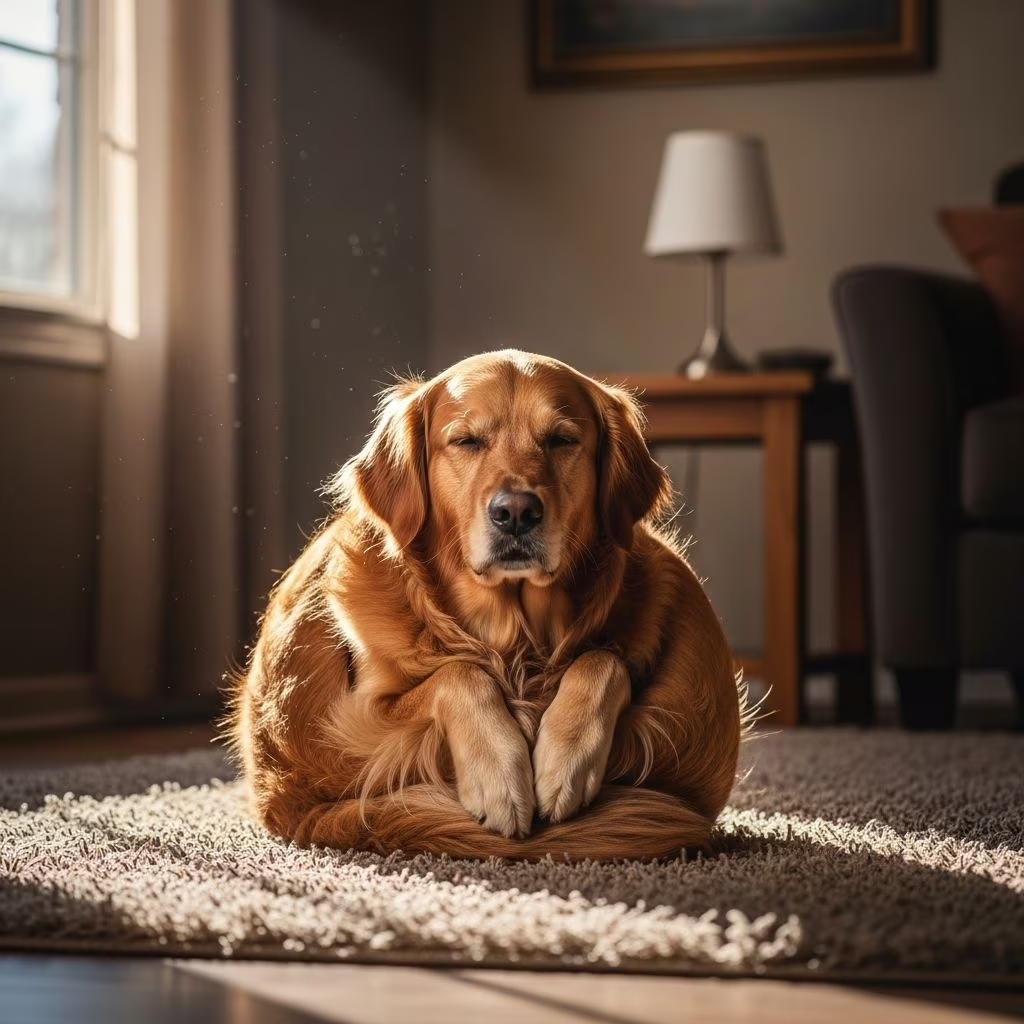
The ‘dog loaf’ is one of the most endearing sights in the canine world: your dog tucks all four paws neatly under its body, resembling a mini loaf of bread. This cozy posture, often called ‘loafing,’ is common across breeds and ages, but it raises curiosity among pet owners. Why do dogs tuck their paws? Is it purely for comfort, or could it signal something more?
This position allows dogs to rest while staying partially alert, balancing relaxation with readiness. While mostly benign, understanding the motivations behind paw-tucking can deepen your bond with your furry friend and help spot potential health issues early. In this comprehensive guide, we’ll explore the top reasons dogs adopt the loaf position, backed by veterinary and behavioral insights.
What Is the Dog Loaf Position?
The dog loaf, or ‘meatloaf position,’ occurs when a dog folds its front and hind legs under its torso, paws hidden beneath. The head and neck remain upright or slightly lowered, giving the appearance of a compact, bread-like form. This differs from sprawling out fully, as it keeps limbs protected and the body compact.
Popularized on social media, the loaf has become a viral meme, but it’s rooted in natural canine behavior. Dogs in the wild might adopt similar postures to conserve energy while scanning for threats. Domesticated dogs retain this instinct, loafing on couches, floors, or beds.
Five Key Reasons Dogs Tuck Their Paws
Dogs loaf for a variety of practical and emotional reasons. Here are the primary motivations:
- To get cozy: Tucking paws creates a soft, padded base under the body, distributing weight evenly and avoiding pressure on joints or bones. It’s like a built-in pillow for maximum comfort during downtime.
- To warm up: In cooler weather, dogs curl tightly to trap body heat. Paws, with their high surface area, lose heat quickly, so tucking them insulates the core. Small breeds and short-coated dogs do this most often.
- To revel in relaxation: A loafer is typically content and secure. This position signals ‘all is well’ in their environment, allowing muscles to unwind without full vulnerability.
- To deal with stress: Subtle anxiety might prompt paw-tucking as a self-soothing gesture, making the dog appear smaller and less threatening.
- To protect their paws: From cold floors, rough surfaces, or wetness, tucking shields sensitive paw pads.
Detailed Breakdown: Why Dogs Loaf in Different Situations
1. Comfort and Contentment
When your dog loaves contentedly, it’s often after playtime or a meal, surrounded by family. This position lets them relax deeply yet lift their head quickly if needed. Puppies especially love it, as their flexible bodies make tucking effortless. Studies on canine posture show relaxed dogs exhibit symmetrical, compact forms like the loaf.
2. Temperature Regulation
Dogs lack the sweat glands humans have, relying on panting and positioning for cooling or warming. In winter, loafing minimizes exposed skin; in mild chill, it conserves heat. Associate Certified Applied Animal Behaviorist Maddie Messina notes dogs curl tightly to retain warmth, paws included. Short-haired breeds like Greyhounds or Chihuahuas loaf more in AC blasts or outdoors.
3. Submission, Nervousness, or Alertness
A tucked posture can signal deference to a dominant dog or person, reducing perceived size. Yawning, lip-licking, or averted eyes accompany this. Conversely, it prepares for ‘fight or flight’ – paws ready to spring up. In multi-pet homes, watch for context.
4. Protection from Elements
Rainy days? Snowy walks? Dogs tuck to shield paws from moisture, salt, or ice. Wet paws lead to slips or infections, so instinct drives this barrier. Urban dogs might loaf on hot pavement too.
5. Breed-Specific Tendencies
Not all dogs loaf equally. Long-legged breeds like Labradors or Border Collies excel at it, while short-legged Dachshunds struggle. Brachycephalic breeds (Bulldogs) tuck due to body mass. It’s more pronounced in herding or sporting dogs.
When Paw-Tucking Signals a Problem: Knuckling and Health Issues
While loafing is cute, persistent or unusual paw-tucking – especially one paw under or dragging – may indicate **knuckling**. Knuckling happens when a dog walks on the top of its paw (dorsal surface) instead of the pad, often due to pain, weakness, or neurology.
Knuckling differs from voluntary loafing: it’s involuntary, during movement, and affects gait. Causes include:
- Neurological disorders: Intervertebral Disc Disease (IVDD), Degenerative Myelopathy (DM), spinal strokes (FCE), or tumors disrupting proprioception – the sense of limb position.
- Musculoskeletal issues: Arthritis, injuries (broken nails, burns), weak ligaments in puppies, or obesity overloading joints.
- Other factors: Poor nutrition, genetics, trauma, or age-related frailty in seniors.
| Condition | Symptoms | Affected Dogs | Treatment |
|---|---|---|---|
| IVDD/Spinal Issues | Knuckling + wobbling, pain | Any breed, esp. long-backed | Rest, meds, surgery |
| Degenerative Myelopathy | Progressive hind-leg knuckling | German Shepherds, seniors | Supportive care |
| Paw Injury | Sudden one-paw tuck/drag | All ages | Clean, vet check |
| Nutritional Weakness | Puppy knuckling | Giant breeds | Diet correction |
If knuckling persists, consult a vet immediately. Early intervention via physio, supplements, or booties can help.
How to Encourage Healthy Loafing and Prevent Issues
- Provide soft bedding to invite cozy loafing without joint strain.
- Keep nails trimmed; use scratchboards for self-filing.
- Dog booties for extreme weather protect paws.
- Joint supplements (glucosamine) for seniors prone to arthritis.
- Monitor weight to avoid obesity-induced knuckling.
- Regular vet checks for breed-specific risks like DM.
Frequently Asked Questions (FAQs)
Why does my dog tuck its paws more in cold weather?
Dogs tuck paws to conserve heat, as extremities cool fastest. This is normal, especially in small or short-coated breeds.
Is paw-tucking always a sign of relaxation?
Usually yes, but paired with stress signals (whining, pacing), it could indicate anxiety. Context matters.
Can all breeds do the dog loaf?
Most can, but short-legged breeds like Corgis or Bassets find it harder due to anatomy.
When should I worry about my dog loafing?
If it’s sudden, one-sided, or with limping/knuckling, see a vet to rule out injury or neurology.
Is knuckling the same as loafing?
No – loafing is resting; knuckling is walking on paw tops, often painful.
How can I help a dog that knuckling?
Vet diagnosis first: therapy, meds, or surgery based on cause. Booties aid proprioception.
The dog loaf captures our pets’ charm and instincts. Mostly a sign of bliss, it occasionally flags health needs. Observe your dog’s habits, environment, and changes for the best care.
References
- Knuckling in Dogs: Causes and Ways to Help Your Dog — ToeGrips. 2023-05-15. https://toegrips.com/knuckling-in-dogs/
- Why Do Dogs Tuck Their Paws? 9 Common Reasons — Hepper. 2024-02-20. https://articles.hepper.com/why-do-dogs-tuck-their-paws/
- What’s Up With the ‘Dog Loaf’? Here’s Why Some Dogs Tuck Their Paws — Kinship. 2023-11-10. https://www.kinship.com/dog-behavior/why-do-dogs-tuck-paws-dog-loaf
- Why does my dog tuck its paws under its body when lying down? — Dial a Vet. 2024-08-05. https://www.dialavet.com/vet-answers/dog-tucking-paws-meaning-8146



