

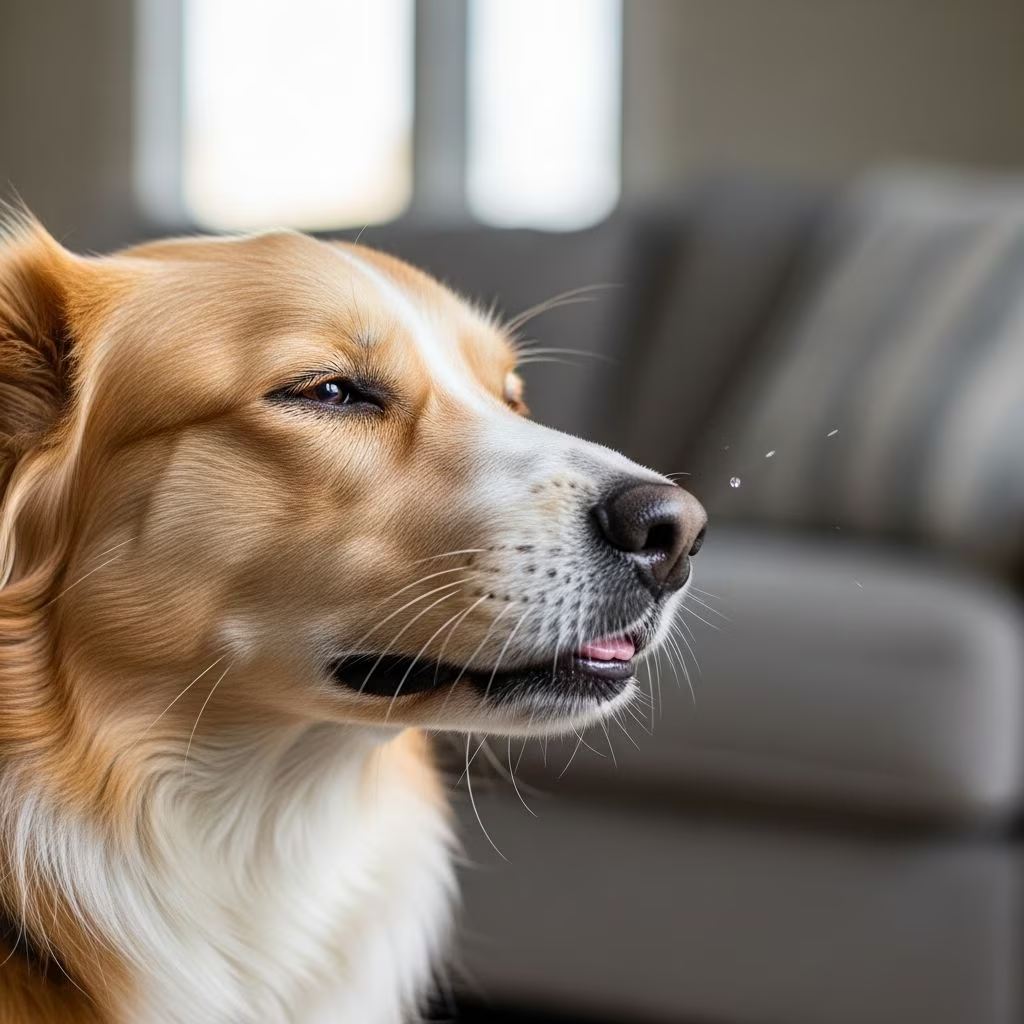
Dogs sneeze for a variety of reasons, ranging from benign and everyday occurrences to signs of underlying health issues. While occasional sneezing is often harmless, persistent or severe sneezing warrants closer attention to ensure your dog’s well-being. Understanding the causes can help you determine if it’s a simple irritant or something more serious requiring veterinary intervention.
Normal Reasons Why Dogs Sneeze
Sneezing is a natural reflex in dogs, similar to humans, helping to clear the nasal passages of irritants or debris. Many instances of sneezing are completely normal and not a cause for concern.
- Excitement or Play: Dogs frequently sneeze during playtime as a form of communication. This ‘play sneeze’ signals to other dogs or humans that the interaction is friendly and non-threatening. It’s common when dogs are excited, wagging their tails, or engaging in roughhousing.
- Environmental Irritants: Dust, pollen, smoke, perfumes, cleaning products, or grass can trigger sneezing. Dogs have an acute sense of smell, making their nasal passages highly sensitive to airborne particles. Seasonal allergies often exacerbate this during spring or fall.
These normal sneezes are typically short-lived and resolve once the trigger is removed. No treatment is needed unless they persist.
Abnormal Causes of Dog Sneezing
When sneezing becomes frequent, violent, or accompanied by other symptoms, it may indicate an underlying problem. Here are the most common abnormal causes.
Nasal Foreign Bodies
One of the top reasons for sudden, intense sneezing is a foreign object lodged in the nasal passage, such as grass awns (foxtails), seeds, dirt, or small debris. These irritants cause severe discomfort, leading to pawing at the nose and relentless sneezing. In areas with dense foxtail grasses, this is particularly common.
Symptoms include one-sided nasal discharge, frequent sneezing that doesn’t stop, and sometimes bleeding. Veterinary removal via rhinoscopy or sedation is often necessary, as dogs can’t expel these objects themselves.
Allergies
Allergic reactions to pollen, dust mites, mold, or food can cause chronic sneezing. Dogs with allergies may also itch, have red skin, watery eyes, or ear infections. Brachycephalic breeds like Pugs and Bulldogs are more prone due to their compressed nasal passages.
Diagnosis involves allergy testing, and treatment includes antihistamines, hypoallergenic diets, or immunotherapy.
Infections
Bacterial, viral, or fungal infections in the nasal passages or upper respiratory tract lead to sneezing with discharge. Common culprits include kennel cough, canine influenza, or fungal issues like aspergillosis. Symptoms often include yellow/green nasal discharge, coughing, fever, and lethargy.
Treatment varies: antibiotics for bacterial infections, antifungals for others, and supportive care like rest and hydration.
Dental Problems
Dental issues, such as tooth root abscesses, gum infections, or tumors, can cause sneezing because the roots of upper teeth are close to nasal sinuses. Signs include bad breath, difficulty eating, facial swelling, and nasal discharge from one nostril.
Vets perform dental exams under anesthesia for cleaning, extractions, or treatment. Regular dental check-ups prevent these complications.
Nasal Mites
Pneumonyssoides caninum, tiny parasites living in nasal passages, cause irritation, sneezing, and bloody discharge. Dogs often contract them from digging in dirt. This is more common in younger dogs.
Diagnosis via rhinoscopy; treatment with antiparasitic medications like ivermectin.
Nasal Tumors
Rare but serious, nasal tumors cause progressive sneezing, nosebleeds, facial deformity, and discharge. They worsen over time and are more common in older dogs.
Diagnosis uses imaging (CT/X-ray) and biopsy. Treatment may involve surgery, radiation, or chemotherapy, though prognosis varies.
Reverse Sneezing
Reverse sneezing involves rapid snorting inhales due to throat or soft palate irritation. It sounds alarming but is usually harmless, lasting seconds to minutes. Triggers include excitement, allergies, or anatomical issues in small breeds.
Gently massage the throat or cover nostrils briefly to stop episodes. Persistent cases need vet evaluation.
Reverse Sneezing in Dogs
Distinct from forward sneezing, reverse sneezing (pharyngeal gag reflex) occurs when dogs rapidly inhale air through the nose, producing a honking or snorting sound. It’s triggered by irritants, allergies, or excitement and is more common in brachycephalic or small breeds.
Episodes are brief and self-resolve. Chronic reverse sneezing may indicate allergies or anatomical problems needing vet assessment.
When to Worry About Dog Sneezing
Monitor sneezing duration and symptoms. Occasional sneezes during play are fine, but seek vet care if:
- Sneezing persists >1-2 days or worsens.
- Accompanied by colored discharge (yellow, green, bloody).
- Other signs: coughing, wheezing, lethargy, appetite loss, pawing at nose, facial swelling.
- One-sided discharge or nosebleeds.
Brachycephalic dogs or seniors need prompt evaluation.
How Vets Diagnose Sneezing in Dogs
Veterinarians start with a physical exam and history. Diagnostics include:
- Rhinoscopy (camera into nose).
- Nasal swabs, bloodwork.
- X-rays, CT scans.
- Dental exam, biopsy if tumor suspected.
This pinpoints causes like foreign bodies or infections.
Treatment for Dog Sneezing
Treatment targets the cause:
| Cause | Treatment |
|---|---|
| Foreign Body | Sedation/rhinoscopy removal |
| Allergies | Antihistamines, diet change |
| Infection | Antibiotics/antifungals |
| Dental | Cleaning/extractions |
| Mites | Ivermectin |
| Tumor | Surgery/chemo |
Supportive care includes humidifiers and rest.
Preventing Sneezing in Dogs
- Regular vet/dental check-ups.
- Avoid irritants; use air purifiers.
- Prevent foxtail exposure.
- Vaccinate against respiratory diseases.
- Monitor brachycephalic breeds closely.
Frequently Asked Questions (FAQs)
Q: Is occasional dog sneezing normal?
A: Yes, sneezing from play, excitement, or mild irritants is normal and harmless.
Q: Why does my dog sneeze during play?
A: It’s a communication signal indicating fun and non-aggression.
Q: When should I take my sneezing dog to the vet?
A: If persistent, with discharge, lethargy, or other symptoms.
Q: Can allergies cause sneezing in dogs?
A: Yes, pollen, dust, or food allergies trigger chronic sneezing.
Q: What is reverse sneezing?
A: A reflex causing snorting inhales; usually benign but monitor if frequent.
References
- Is Your Dog Sneezing? Here Are 6 Possible Causes — LA CVets. 2023. https://lacvets.com/blog/is-your-dog-sneezing/
- Sneezing in Dogs – Causes, Treatment and Associated Symptoms — Vetster. 2024. https://vetster.com/en/symptoms/dog/sneezing
- Why Is My Dog Sneezing a Lot? — PetMD. 2024. https://www.petmd.com/dog/symptoms/why-my-dog-sneezing-a-lot
- Dog Sneezing: When to Worry and What to Do — Animal Family Veterinary Care. 2023. https://animalfamilyveterinarycare.com/blog/dog-sneezing/
- Causes of Excessive Sneezing in Pets — Fetch Vets. 2024. https://fetchvets.com/blog/excessive-sneezing-in-pets/
- Why is My Dog Sneezing? 5 Reasons Why — Veterinary Village. 2023. https://plymouth.thevillagevets.com/blog/dog-sneezing/



