

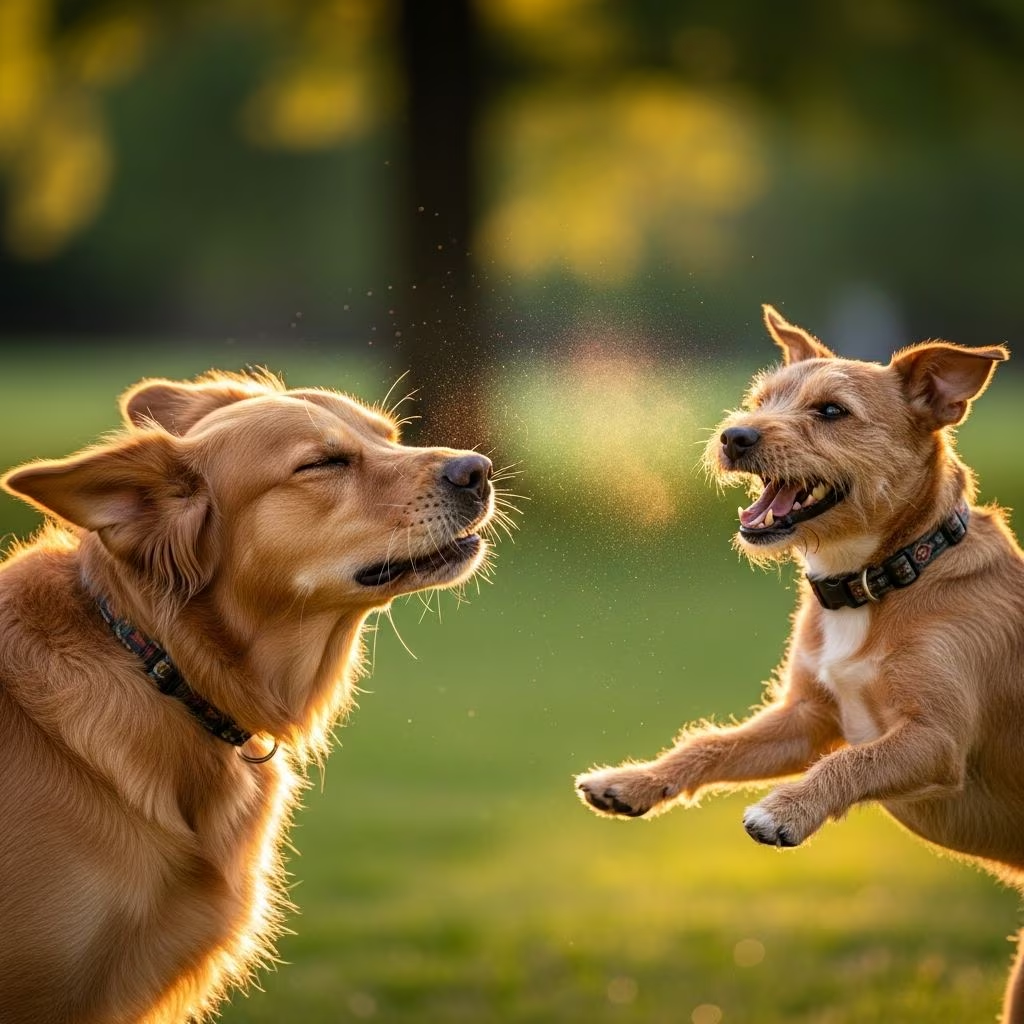
Why Do Dogs Sneeze When Playing? Is This Normal?
If you’ve noticed your furry companion sneezing during playtime, you’re not alone. Many dog owners observe this quirky behavior and wonder what it means. The good news is that sneezing during play is typically completely normal and harmless. In fact, play sneezing is usually a sign that your dog is excited and having a wonderful time. However, understanding the reasons behind this behavior can help you better communicate with your canine companion and recognize when something might actually warrant a veterinary visit.
Is Play Sneezing Normal for Dogs?
Yes, sneezing during play is totally normal for dogs. Not all dogs sneeze during play, but for those who do, it’s usually harmless and indicates they’re having fun. According to veterinary behaviorists, sneezing is often triggered by excitement, dust, or even communication cues. You only need to be concerned if your dog keeps sneezing well after playtime is over, or if the sneezing starts happening while they’re resting. Most play sneezing is a natural and healthy expression of your dog’s emotional state during active engagement.
Key Reasons Why Dogs Sneeze When Playing
They Want to Play
One of the primary reasons dogs sneeze during playtime is to signal their desire to engage in play with other dogs or their owners. Dogs use sneezing as their way of saying, “Hey, I’m letting my guard down and ready to play!” This communication method helps dogs signal their playful intentions to others. While it might not make intuitive sense to us, sneezing for play is an effective way for dogs to communicate with their pack members and establish that their behavior is friendly and non-threatening.
They’re Expressing Excitement
Dogs sometimes sneeze to release pent-up excitement and energy. When your dog gets overly excited during playtime, sneezing is their body’s natural way of letting out that excess energy. If you notice your dog sneezing frequently during intense play sessions, consider giving them enrichment toys to help channel that excitement in healthy ways. Toys like puzzle feeders or interactive fetch toys can help manage excessive energy levels while keeping your dog mentally stimulated.
They’re Breathing Rapidly
During active play, dogs naturally breathe more quickly and heavily. This rapid breathing can cause them to inhale various irritants such as grass, dust, or small seeds. When these particles enter their nasal passages, sneezing becomes their body’s automatic response to clear out the obstruction. This is a completely natural reflex and helps keep your dog’s airways clean during vigorous physical activity. The sneeze essentially acts as a protective mechanism to maintain clear nasal passages during exercise.
They’re Kicking Up Dust and Dirt
When dogs pounce, dig, or run during play, they naturally stir up dust, dirt, or pollen from their environment. This is especially common when dogs are playing outdoors or in dusty indoor spaces. These particles can irritate a dog’s nose and trigger sneezing as a response to clear the irritant. If you notice your dog sneezes more frequently when playing in particular environments, it might be helpful to clean those areas or provide alternative play spaces to reduce irritant exposure.
Understanding Play Sneezes vs. Regular Sneezes
It’s important to distinguish between play sneezes and regular sneezes, as they can indicate different things. Play sneezes are typically lighter, shorter, and less forceful than regular sneezes. They often happen multiple times throughout a play session and may include minimal or no nasal discharge. Regular sneezes, by contrast, are usually more forceful, longer-lasting, and may involve visible nasal discharge. Understanding these differences can help you determine whether your dog’s sneezing is part of normal play behavior or a sign of a potential health concern.
| Play Sneezes | Regular Sneezes |
|---|---|
| Happen during playtime or high excitement | Can happen anytime, often outside of play |
| Multiple light sneezes throughout playtime | Usually just one or two at a time to clear an irritant |
| Less forceful (shorter and lighter) | Forceful and longer-lasting (wrinkled muzzles, interrupted activities) |
| May include minimal discharge | Clear or colored discharge may be present |
When Should You Be Concerned?
While play sneezing is usually harmless, certain situations warrant a veterinary consultation. You should contact your veterinarian if your dog exhibits any of the following symptoms:
- Continuous sneezing that persists long after playtime has ended
- Sneezing that occurs while your dog is resting or inactive
- Panting or pawing at their nose excessively
- Green, yellow, or bloody nasal discharge
- Signs of nasal congestion or difficulty breathing
- Sneezing accompanied by lethargy or loss of appetite
These symptoms could signal an upper airway infection, which may require antibiotics or other veterinarian-recommended treatments. Additionally, allergies can cause persistent sneezing, even during play. In such cases, your dog may benefit from allergy relief treatments. Various allergy-support products and cleansing wipes are available to help manage these concerns, though you should always consult with your veterinarian before starting any new treatment regimen.
The Communication Aspect of Play Sneezing
Beyond the physical responses to environmental irritants, sneezing serves an important social function in canine communication. Dogs use squeezing as a way to communicate their emotional state and intentions to both other dogs and their human companions. During play-fighting or intense play sessions, a sneeze can signal that your dog is enjoying the interaction but may also be indicating when play is getting too rough. This nuanced form of communication helps dogs regulate the intensity of their interactions and maintain healthy play dynamics with their companions.
Frequently Asked Questions About Dogs Sneezing During Play
Q: Is it normal for dogs to sneeze a lot when playing?
A: Yes, dogs sneezing while playing is completely normal. It’s often a form of communication, letting others know their guard is down and they are eager to play. It can also be caused by breathing in particles and irritants, such as dust and dirt. Most active play sessions will include some sneezing, particularly in energetic or toy breeds.
Q: Why does my dog sneeze in my face when we play?
A: When your dog sneezes right in your face during play, it’s usually because you’re in their “sneeze zone.” They aren’t aiming at you on purpose! It’s simply where the sneeze lands while they’re bouncing around and having fun. Your dog isn’t being disrespectful; they’re just caught up in the excitement of playtime.
Q: Can play sneezing indicate my dog wants to stop playing?
A: Yes, in some cases, sneezing can be a signal that your dog wants to dial back the intensity or take a break from play. If you notice your dog sneezing frequently and then backing away or taking a pause, they may be signaling that the play session is getting too intense for them. Always pay attention to your dog’s overall body language to understand their comfort level.
Q: Should I be worried if my dog sneezes during play?
A: Generally, no. Play sneezing is a normal, harmless behavior. However, if the sneezing is persistent, accompanied by discharge, or continues after playtime ends, you should consult your veterinarian to rule out allergies or infections.
Q: Do all dog breeds sneeze during play?
A: While play sneezing can occur in any breed, it appears to be more common in smaller breeds and more active dogs. However, every dog has their own unique communication style, so some dogs may sneeze frequently during play while others rarely do.
Managing Excessive Play Sneezing
If your dog sneezes excessively during play but shows no other concerning symptoms, there are several strategies you can employ. First, provide enrichment toys that allow your dog to channel their excitement and energy in controlled ways. Toys designed for interactive play can help manage overstimulation. Additionally, monitor the environments where your dog plays most often. If dusty or pollen-rich areas seem to trigger more sneezing, consider rotating play locations or cleaning those spaces more frequently.
Taking regular breaks during play sessions can also help reduce sneezing frequency. Short play bursts with rest periods in between allow your dog to regulate their breathing and reduce the amount of airborne particles they inhale. If sneezing becomes excessive and you suspect allergies, consult your veterinarian about allergy testing or management options. Professional guidance can help determine whether environmental allergies or other health factors are contributing to the behavior.
Conclusion
Play sneezing in dogs is a normal, typically harmless behavior that reflects your dog’s excitement, joy, and engagement during playtime. Whether it’s a form of communication, a response to environmental irritants, or simply a physical reaction to rapid breathing, most play sneezing is nothing to worry about. By understanding the reasons behind this behavior and learning to distinguish play sneezes from concerning ones, you can better interpret your dog’s signals and ensure they have safe, enjoyable play experiences. Remember, if you ever have concerns about your dog’s sneezing—especially if it persists outside of play or is accompanied by other symptoms—don’t hesitate to reach out to your veterinarian for professional guidance and peace of mind.
References
- Why Do Dogs Sneeze When Playing? Is This Normal? — Chewy. 2025. https://www.chewy.com/education/dog/training-and-behavior/why-do-dogs-sneeze-when-playing
- Bless Them! Why Do Dogs Sneeze When They Play? — Kinship. 2025. https://www.kinship.com/dog-behavior/dog-sneezing-during-play
- Why Dogs Sneeze When They Play — Whole Dog Journal. 2025. https://www.whole-dog-journal.com/behavior/why-dogs-sneeze-when-they-play/
- Why Does My Dog Sneeze During Play? — Rover.com. 2025. https://www.rover.com/blog/dogs-sneeze-play/
- Why Do Dogs Sneeze? | Purina US — Purina. 2025. https://www.purina.com/articles/dog/health/respiratory/sneezing-in-dogs
- Why Does My Dog Keep Sneezing, and Why Do Dogs Sneeze? — American Kennel Club. 2025. https://www.akc.org/expert-advice/health/why-do-dogs-sneeze/



