

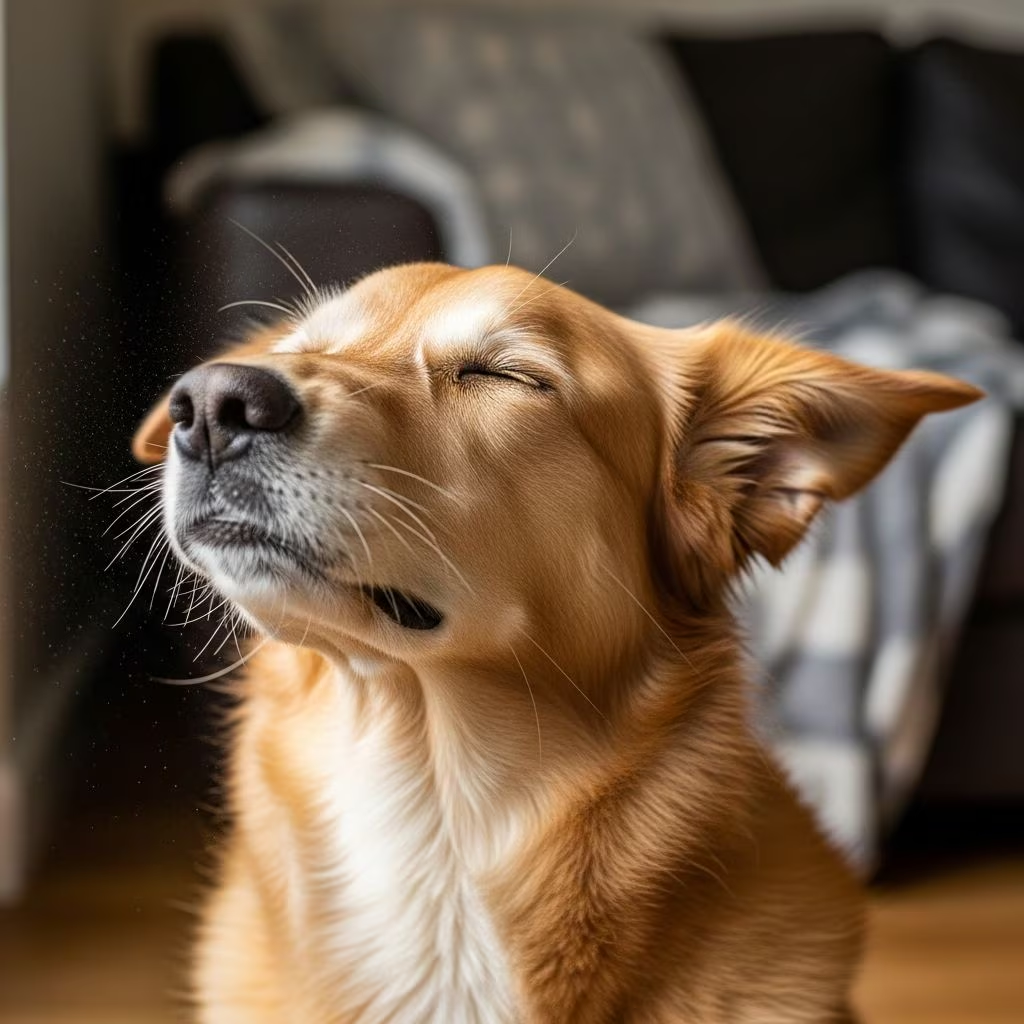
Dogs sneeze for a variety of reasons, ranging from benign excitement during play to more serious health issues like infections or nasal obstructions. Understanding these causes helps owners determine if veterinary attention is needed.
How sneezing works
Sneezing in dogs is a natural reflex triggered by irritation in the nasal passages. When an irritant such as dust, pollen, grass, or a foreign object enters the nose, the dog’s body responds by forcefully expelling air through the nostrils to clear it out. This explosive action typically involves a rapid inhalation followed by a powerful exhale, often at speeds up to 100 miles per hour in mammals, dislodging particles effectively in most cases.
However, if sneezing persists beyond a few episodes, it may indicate an underlying problem rather than a simple environmental trigger. The nasal mucosa, lined with sensitive nerves and mucus-producing cells, detects the intruder and signals the brain to initiate the sneeze reflex. Mucus traps smaller particles, while the sneeze blasts out larger ones. In healthy dogs, this process resolves quickly, restoring normal breathing.
For owners, observing the frequency, duration, and accompanying symptoms is crucial. Occasional sneezes during walks or play are usually harmless, but chronic sneezing warrants closer inspection to rule out allergies, infections, or structural issues.
8 reasons why your dog may be sneezing
Dogs sneeze for many reasons, some playful and others indicative of health concerns. Here are the eight most common causes, explained in detail to help you identify what’s affecting your pet.
1. Dog play-sneezing
Play-sneezing occurs when dogs get excited during playtime, zooming around the yard, or interacting with other dogs. This isn’t a true reflex to clear irritants but a communicative behavior signaling ‘this is just fun—no threat intended.’ Smaller breeds like Terriers may do it more often, but any dog can exhibit it during high-energy moments.
Experts note that play-sneezing often happens in ‘bite-y face’ games, where dogs playfully nip at each other’s faces, scrunching their noses and triggering the sneeze. It’s also seen in greetings or when soliciting attention from humans, acting as a social cue similar to a wag or bark. African wild dogs even use sneezes as votes during group decisions, highlighting its role in canine communication.
2. Reverse sneezing
Reverse sneezing, or inspiratory paroxysmal respiration, produces a honking or snorting sound as the dog rapidly inhales through the nose due to a spasm at the back of the throat. This narrows the airway temporarily, creating the distinctive noise. Triggers mirror regular sneezing: excitement, allergens, or irritants.
Episodes usually last seconds to a minute and resolve on their own. To help, gently massage the throat or cover the nostrils briefly to encourage normal breathing. Frequent occurrences merit a vet visit to exclude foreign bodies or inflammation.
3. Allergies and irritants
Environmental allergens like pollen, dust mites, mold, or smoke irritate the nasal lining, prompting sneezes. Seasonal allergies are worsening due to climate change, affecting more dogs with itchy skin and respiratory symptoms. Household irritants such as cleaning products, perfumes, or cigarette smoke can also provoke fits.
Dogs with allergies may sneeze alongside watery eyes, paw licking, or ear infections. Management includes hypoallergenic bedding, air purifiers, and vet-prescribed antihistamines or immunotherapy. Identifying triggers via elimination trials is key.
4. Foreign objects
Foxtails, grass seeds, or small toys can lodge in the nasal cavity, causing persistent unilateral sneezing (from one nostril). Dogs that sniff vigorously or dig are prone. Symptoms include pawing at the face, head shaking, and sometimes bloody discharge.
Vets use rhinoscopy or imaging to remove obstructions safely. Delaying can lead to infections, so prompt care is essential.
5. Dog nasal and respiratory infections
Viral infections like distemper or parainfluenza, bacterial ones such as Bordetella (kennel cough), and fungal diseases including aspergillosis cause inflammation and excess mucus, leading to sneezing. Kennel cough often pairs sneezing with a dry, hacking cough.
Fungal infections thrive in certain environments; aspergillosis from inhaled spores affects the sinuses. Treatment varies: antibiotics for bacteria, antifungals for mycoses, and supportive care for viruses. Vaccination prevents many viral causes.
6. Nasal mites
Pneumonyssoides caninum mites infest nasal passages, irritating tissues and causing sneezing, nosebleeds, and discharge. Dogs that root in dirt contract them; they’re contagious dog-to-dog. Diagnosis via nasal scoping; treatment involves milbemycin or ivermectin.
Rare but serious, especially in outdoor dogs. Prevention includes avoiding kennels with infested dogs.
7. Nasal tumors
In older dogs, particularly long-nosed breeds like Collies, tumors can obstruct nasal passages, causing chronic sneezing, bloody discharge, facial swelling, and breathing difficulty. Benign polyps or malignant adenocarcinomas require biopsy for diagnosis.
Radiation, surgery, or chemotherapy offer palliation. Early detection improves outcomes; sudden symptoms demand immediate vet evaluation.
8. Canine dental problems
Tooth root abscesses or periodontal disease can erode into nasal cavities via the palate, causing sinusitis and sneezing. Bad breath, drooling, and facial swelling accompany it. Dental X-rays confirm; extraction resolves most cases.
Regular brushing and check-ups prevent this link between oral and nasal health.
Breeds prone to sneezing
Brachycephalic breeds—Pugs, Bulldogs, Boston Terriers, Frenchies—have shortened nasal passages, promoting sneezing, snorting, and snoring. Brachycephalic airway obstruction syndrome (BAOS) exacerbates this, with elongated soft palates and narrow nostrils impeding airflow.
These dogs overheat easily and tire during exercise. Surgical corrections like nostril widening help severe cases. Long-nosed breeds face tumor risks, while all breeds benefit from weight management to ease breathing.
Frequently Asked Questions (FAQs)
Why do dogs sneeze when they play?
Dogs sneeze during play to communicate it’s non-threatening fun, possibly due to excitement, nose scrunching, or social signaling. It’s common in greetings and high-arousal play, akin to wild dogs’ voting sneezes.
Should I be concerned if my dog is reverse sneezing?
Occasional reverse sneezing is harmless, but persistent episodes suggest throat irritation or allergies. Consult a vet if frequent, prolonged, or with other symptoms like coughing.
When should I take my sneezing dog to the vet?
Seek care for sneezing lasting over a day, with blood, discharge, lethargy, appetite loss, or breathing issues. One-sided sneezing hints at foreign objects or tumors.
Can allergies cause dog sneezing?
Yes, pollen, dust, and irritants trigger allergic rhinitis, worsened by climate trends. Symptom management and allergen testing aid control.
Is sneezing contagious in dogs?
Viral/bacterial infections spread via air or contact; isolate sneezing dogs. Mites transmit dog-to-dog. Vaccines curb contagious diseases.
References
- Why Does My Dog Keep Sneezing? Explore Potential Causes — Kinship. 2023. https://www.kinship.com/dog-health/why-do-dogs-sneeze
- Sneeze to leave: African wild dogs (Lycaon pictus) use variable quorum thresholds facilitated by sneezes in collective decisions — PMC / Behavioural Ecology. 2017-08-15. https://pmc.ncbi.nlm.nih.gov/articles/PMC5597819/
- Can Dogs Get Colds? Causes, Symptoms, and Treatment — Kinship. 2023. https://www.kinship.com/dog-health/can-dogs-get-colds
- Bless Them! Why Do Dogs Sneeze When They Play? — Kinship. 2023. https://www.kinship.com/dog-behavior/dog-sneezing-during-play
- Reverse Sneezing or Honking Noise in Dogs: Causes and Treatment — Kinship. 2023. https://www.kinship.com/dog-health/why-my-dog-honking



